Spinach spins its magic
Spinach, a native plant of Arabia, is truly a wonder food with benefits aplenty
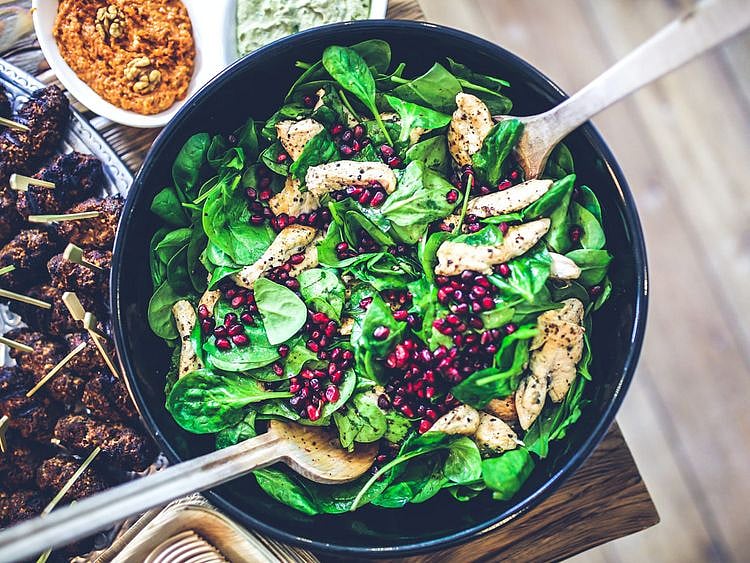
Spinach is a native plant of Arabia and was introduced to China in the 7th century.
It found its way to Europe in the 12th century and finally to the United States in the 1800s.
Toon character Popeye is not the only believer in the plentiful benefits of spinach. Nutritionists, dieticians and doctors have come to acknowledge that spinach is truly one of the healthiest foods.
Spinach is low in calories but is extremely high in vitamins, minerals and other phytonutrients (natural plant chemicals with human nutritional value).
Commonly found
Unlike a handful of other nutrient-rich health foods, such as aloe vera and spirulina, spinach is readily available almost everywhere in the world as a whole food rather than a processed supplement.
Our diets have changed dramatically over the past century and with those changes have come a raft of degenerative diseases.
One of the diet changes is that grain products have become the main source of caloric intake despite being relatively low in nutrient value.
As a result, vegetables such as spinach make only 40 per cent of the diet.
Versatile veggie
Spinach is a versatile vegetable and can be eaten cooked, raw, in salads, — a superior alternative to low-nutrient iceberg lettuce — and in many other forms.
Being rich in the mineral potassium and low in sodium, spinach is excellent for maintaining the heart's wellbeing.
Potassium or potassium-rich diets are an effective first line of defence against high blood pressure and hypertension.
Spinach, being high in potassium and low in sodium, is therefore, a clear choice for your cardiovascular health.
Folate, or folic acid, abundant in spinach, is also known to reduce high blood pressure and hypertension.
Folate may also help blood vessels relax, improving blood flow.
Cardiovascular health
Co-enzyme Q10, of which spinach is one of only two plant sources (the other is broccoli), plays an important role in cardiovascular health.
Q10 is essential for muscle strength in the human body; and the heart is one of the muscles.
In fact, patients on statin (cholesterol-lowering) medication often suffer the side-effects of weak and painful muscles because statins interfere with the human liver's natural ability to produce Q10.
Accordingly, co-enzyme Q10 is often recommended by doctors to be taken as a supplement alongside statin drugs. Wouldn't it be nice if doctors simply recommended more spinach in the diet?
Also an antioxidant, co-enzyme Q10, has shown potential for use in the prevention and treatment of cardiovascular disease, particularly hypertension, hyperlipidemia, coronary artery disease and heart failure.
Lutein, an antioxidant carotenoid found in plenty in spinach, prevents or reduces atherosclerosis or hardening of the arteries.
Animal studies, believed to produce similar results in humans, show that spinach proteins (particularly in the presence of a low-vegetable-oil diet) lower cholesterol and triglyceride levels.
The benefits of lower cholesterol and triglyceride levels for the heart are known to all.
Minimising damage
Even in the event of a cardiac arrest, researchers believe that nutrients in spinach and other leafy green vegetables — which contain the chemical nitrate — will minimise the tissue damage caused to the heart.
Overall, spinach is a delicious, nutritious and multifaceted defence against cardiovascular and heart diseases.
Given the vast array of vitamins, minerals and phytonutrients found in spinach, it shouldn't surprise that modern research proves spinach to be a powerful anticancer agent.
In addition to being able to prevent many forms of cancer, spinach is also believed to partially cure some forms of the disease.
Jack Challem, the author of Feed Your Genes Right, suggests that the folic acid, a B-group vitamin found abundantly in spinach, helps repairs genes.
A medical research report published in 2004 by the MD Anderson Cancer Centre at the University of Texas suggests that spinach offers protection against bladder cancer.
High dietary intake of the alpha-tocopherol form of vitamin E found in spinach was associated with a 42 per cent reduced risk of bladder cancer in a five-year study.
Chlorophyll advantage
Another form of vitamin E, gamma-tocopherol, also found abundantly in spinach, serves to reduce the risk of prostate cancer.
A 2001 study shows that chlorophyllin, a derivative of chlorophyll that is found in abundance in spinach, greatly reduces the risk of aflatoxin-related liver cancer.
Aflatoxin is a fungus commonly found in grains, soya beans and peanuts and is a known carcinogen that damages human DNA.
Ongoing research is seeking to ascertain whether chlorophyllin may also be protective against colon cancer and lung cancer.
Spinach has also been proven to reduce the risk of stomach cancer.
Other studies attribute lutein and zeaxanthin found in spinach to the reduced risk of ovarian cancer.
In 2005, a Japanese study looked at the fruits and vegetables most commonly claimed to have cancer-protection benefits.
It studied human cancer cells under laboratory conditions and concluded that spinach was the most cancer-protective of all.
In additon to a preventative role, spinach also had the strongest inhibitory effect on human cancer-cell development.
Spinach is best eaten fresh. It loses its nutritional value with each passing day.
To maintain its freshness, you should buy fresh spinach and immediately freeze it. This will trap its nutrients until you are ready to use it.
Either way
Spinach, consumed in both cooked and raw forms, has its advantages.
While it may lose some of the vitamin C and folate content on cooking, the bio-availability of beta carotene and lutein increases.
Make spinach recipes a daily part of your life, starting today. Your body will thank you for it.
Rocket and chargrilled chicken salad
- 200g of rocket leaves
- 500g chicken, boneless and cut into strips
- 4 garlic cloves, crushed
- 100g cashew nuts
- 10g pine nuts
- Soya sauce
- Black pepper, freshly ground
- Light Thousand Island dressing or olive oil and lemon dressing with cracked mustard
Method
Marinate the chicken strips in soya sauce and garlic for an hour.
Pour oil in a frying pan with an iron base, place the chicken strips and cook on high fire. Add pepper and cook further until fully blackened.
In the meantime, prepare a big platter by making a bed of rocket leaves.
When done, place the chicken strips on the bed of rocket leaves and sprinkle a handful of cashew nuts and pine nuts.
You could crumble some feta cheese or grated parmesan on top of the salad.
You can enjoy a lot of variations of this basic salad, which you can serve on a bed of rice, with pasta or even Quinoa.
For more information about superfoods or weight management, log on to www.powereat.com
Sign up for the Daily Briefing
Get the latest news and updates straight to your inbox
Network Links
GN StoreDownload our app
© Al Nisr Publishing LLC 2026. All rights reserved.