Who was Mithu Mukherjee? The Marjina Abdulla and Safed Jhooth star has died at 71
She starred opposite Uttam Kumar and Soumitra Chattopadhyay before moving into Hindi films
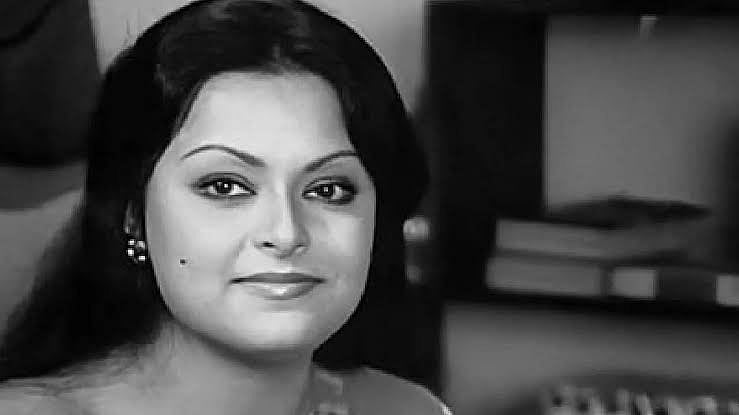
Dubai: Mithu Mukherjee was one of the defining faces of Bengali cinema in the 1970s and 1980s, a star who worked with Uttam Kumar, Soumitra Chattopadhyay and Ranjit Mullick, and who carried her career into Hindi films opposite some of Bollywood's biggest names of the era.
Born in Kolkata, she came from a film family: her aunt was the actress Anita Guha, and her niece, Ritu Das, also went on to act.
She was 17 when she made her screen debut in Chitta Bose's Bengali film Shesh Parba in the early 1970s. Stardom followed almost immediately. In 1973, she played the title role of Marjina in Dinen Gupta's Marjina Abdulla, the adaptation of the Arabian Nights tale that made her a household name in Bengal.
A string of Bengali films followed through the decade, including Nishi Kanya, Mouchak, Swayamsiddha and Hotel Snow Fox, in which she starred alongside Uttam Kumar. Into the 1980s came Bhagyachakra and Sandhi.
In 1976 she crossed into Hindi cinema with Dulal Guha's Khaan Dost. She went on to appear in Basu Chatterjee's Safed Jhooth, alongside Ashok Kumar, Vinod Mehra and Amol Palekar, and in Dillagi, where she played an English lecturer in a film led by Dharmendra and Hema Malini. She also made a guest appearance in Do Ladke Dono Kadke.
After her 1984 film Dujane struggled at the box office, she stepped away from films for several years. She returned in 1990 with Chandra Barot's Bengali drama Ashrita, about a young woman who rebels against mistreatment by her new in-laws. It was her final film. In the decades that followed, she chose to stay largely out of public view.
Her death
Mithu Mukherjee died on Sunday night at a private hospital in Mumbai, after battling cancer for nearly a year.
News of her death drew tributes from across the Bengali film industry on Monday.
'Deeply painful'
Prosenjit Chatterjee posted a tribute on X in Bengali.
In English: "The news of Mithu Mukhopadhyay's passing is deeply painful. Her memory and her work will live on among us forever. Deepest respects."
'The end of an era'
The All Indian Cine Workers Association paid tribute to her work across the Bengali, Odia and wider Indian film industries.
"Her passing has left the entire Bengali film industry in deep shock and mourning. She was not merely a celebrated actress, but an integral part of the film fraternity and a cherished member of the larger film family. Her departure marks the end of an era in Indian cinema," the association wrote on X.
It added: "Her remarkable performances and the films she enriched with her talent will continue to live on in the hearts of audiences and generations to come."
Network Links
GN StoreDownload our app
© Al Nisr Publishing LLC 2026. All rights reserved.