Kartik Aaryan and Ananya Panday drift through Europe like two influencers stuck in a sponsored travel reel — smiling, posing, flirting in theory but never in feeling.
Tu Meri Mein Tera film review from UAE: Kartik Aaryan and Ananya Panday stumbles and can't save this misfire
A glossy, outdated rom-com where Croatia shines but Kartik and Ananya’s romance doesn’t
Last updated:
4 MIN READ
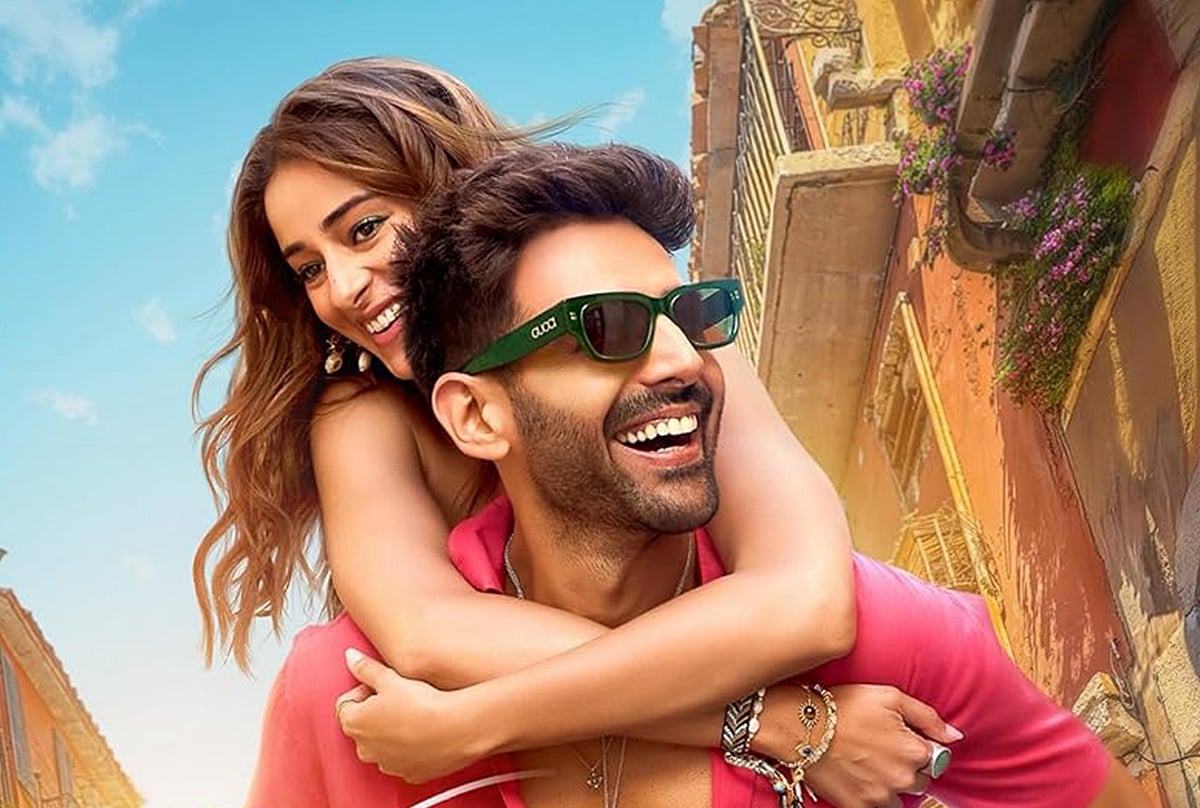
Kartik Aaryan and Ananya Panday look picture-perfect in Tu Meri Main Tera Main Tera Tu Meri, out in UAE cinemas now
IMDB
Tu Meri MainTera Main Teri Tu MeriDirector: Sameer VidwansCast: Ananya Panday, Kartik Aaryan, Neena Gupta, Jackie Shroff
Dubai: I went into Tu Meri, Main Tera, Main Tera, Tu Meri with the cautious optimism one reserves for Bollywood rom-coms. Maybe it would be frothy. Maybe it would be charming. Maybe Kartik Aaryan would do his familiar trick of turning swagger and emotional cluelessness into something oddly endearing. What I didn’t expect was to emerge from the film with a burning desire to book a holiday to Croatia and absolutely no emotional attachment to the people who were allegedly in love on screen.
Let’s get this out of the way: Croatia is spectacular. The blue waters, the sun-drenched streets, the postcard-perfect old towns — it’s so gorgeous it practically hijacks the movie. At some point I stopped watching Kartik and Ananya entirely and started mentally planning my itinerary. If this film was secretly funded by the Croatian tourism board, congratulations. It worked.
Everything else? A romantic vacuum.
The first half of the film tries to sell itself as a modern, breezy, Tamasha-meets-Yeh Jawaani Hai Deewani kind of love story. Except it has none of the emotional pull, wit or aching vulnerability that made those films work. Kartik Aaryan and Ananya Panday drift through Europe like two influencers stuck in a sponsored travel reel — smiling, posing, flirting in theory but never in feeling.
There is zero chemistry between them. Not awkward chemistry. Not slow-burn chemistry. Zero. Watching them fall in love feels like watching two strangers accidentally sit next to each other on a flight and assume it must be destiny. You never know why they’re drawn to each other. There’s no tension, no curiosity, no emotional hunger. Just background music trying very hard to convince you something romantic is happening.
The second half is where the film really gives up on being remotely current. It plunges headfirst into a dated sermon about parental approval — kids sacrificing their love, their choices and their happiness for mummy-papa blessings. Suddenly this becomes a recycled Dilwale Dulhania Le Jayenge fantasy, only without the charm. For a movie trying desperately to look Gen-Z friendly, it is shockingly archaic. In an age of ghosting, benching and situationships, these characters speak like they’re trapped in a 1990s wedding video.
Even Kartik Aaryan, who usually understands the rom-com genre better than most, is undone by the writing. He’s normally excellent at playing that confident, slightly smug, charming guy who knows he’s desirable. Here, he’s made to deliver lines like, “When I say I love you, it means forever,” and “My mother says if you don’t sacrifice everything for a woman, you’re not a man.” Who talks like this? What kind of emotional hostage situation are these characters living in?
Even Kartik Aaryan, who usually understands the rom-com genre better than most, is undone by the writing.
And then there’s Bollywood’s greatest unresolved mystery: what do these people actually do for a living?
Ananya’s character is supposed to be a writer — but we never see her write. No laptop, no deadlines, no creative struggle. Is she a novelist? A café worker? A lifestyle influencer? Who knows. Kartik is a billionaire wedding planner, yet he floats through life looking vaguely busy at best. There’s no hustle, no ambition, no texture to their lives. These people don’t feel like they’re building futures — they feel like they’re killing time between songs.
One of the film’s most unintentionally funny moments comes when Ananya’s book, Love in Agra, gets bad reviews. Kartik casually asks, “Why didn’t you just use AI?” She is outraged and launches into a defence of human creativity. The irony is delicious. Because halfway through this film, I found myself thinking the same thing — not about her book, but about this script. Maybe they should have used AI. It might have produced something tighter, smarter and at least vaguely coherent. What we get instead feels like a prompt gone wrong. These were humans who wrote this? Really?
There is zero chemistry between them in the movie. Not awkward chemistry. Not slow-burn chemistry.
Even the veterans can’t escape the film’s confusion. Neena Gupta, a National Award-winning powerhouse, is reduced to a profanity-spouting “cool mom” cliché that never lands. Jackie Shroff turns up in full patriotic, sanskaari mode, delivering speeches about India, culture and values that feel ripped from some forgotten Shah Rukh Khan melodrama.
By the end, Tu Meri, Main Tera, Main Tera, Tu Meri feels like a postcard movie — glossy, pretty and emotionally hollow. I didn’t fall in love with the couple. I didn’t fall in love with their story.
I fell in love with Croatia.
And when the most convincing romance in your rom-com is between the camera and a European coastline, something has gone very, very wrong
Network Links
GN StoreAbout Gulf NewsTerms & ConditionsReach by GNSitemapContact usPrivacy PolicyGN FocusHave your sayWork with usAdvertise with usGulf News epaperPrinting Services
Download our app
© Al Nisr Publishing LLC 2026. All rights reserved.