The deadly viral trend: Why squirrels 'vaping' is a crisis for wildlife
Sweet-smelling vapes attract squirrels, causing accidental nicotine and battery exposure
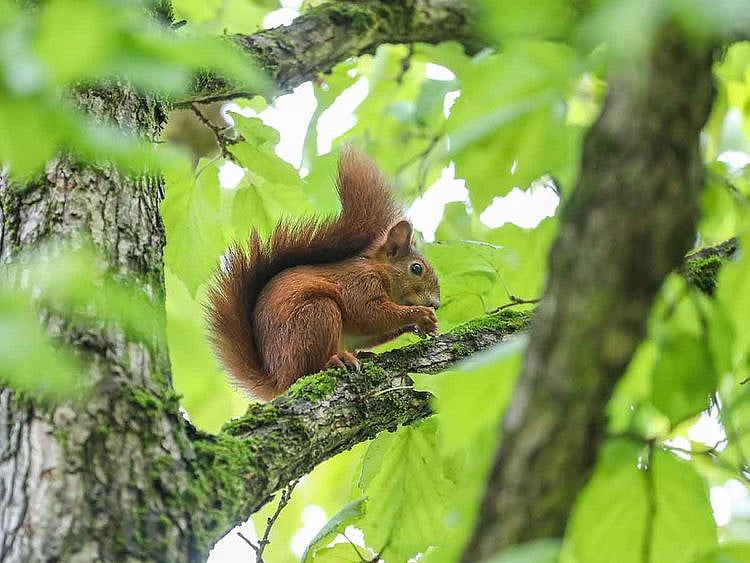
Dubai: Recently, videos from places like London and Philadelphia showed squirrels holding disposable vape devices and chewing on them, going viral on social media. In some clips, the animals appeared to be biting the devices, which led to headlines claiming squirrels were “vaping.”
However, wildlife experts say the behaviour is much simpler: squirrels are attracted to the smell and taste of vape liquids, not the nicotine or vapour itself. They are chewing the devices because they smell like fruit or sweets, which squirrels associate with food.
“In the past, you’d see plenty of cigarette butts lying around, yet I never saw squirrels playing with them,” said Craig Shuttleworth, a red squirrel specialist at Bangor University in Wales, speaking to the New York Post. “It makes sense that a vape, with its fruity scent, would be more appealing than a standard tobacco product.”
Why squirrels are attracted to vapes
The main reason is flavoured e-liquid. E-cigarettes often contain flavourings like:
Strawberry
Mango
Bubblegum
Cotton candy
Watermelon
These flavours are designed to smell sweet and fruity, and the vapour itself often smells like candy or desserts rather than smoke. To a squirrel, which relies heavily on smell to find food, a disposable vape can smell like fruit or something edible.
Why this is dangerous for wildlife
While the footage of squirrels “vaping” may look amusing, the reality is far from harmless. The experts have mentioned that discarded e‑cigarettes pose serious risks to animals. These devices contain nicotine, lithium batteries, plastics, and chemical flavourings, all of which can be toxic if chewed or ingested. There have been reports of pets and wild animals suffering poisoning or injuries after coming into contact with vape components.
The issue reflects a broader environmental problem. Millions of disposable vapes are thrown away each week, often in public spaces where wildlife can easily access them. Unlike traditional cigarette butts, which smell of tobacco and ash, sweet‑smelling fruity vapes are particularly attractive to animals that rely on their sense of smell to find food.
A spokesperson for the Royal Society for the Prevention of Cruelty to Animals (RSPCA) described the incident as a “clear reminder of the risks that discarded litter poses to wildlife.” They urged the public to hold onto their rubbish until it can be disposed of safely.
This isn’t an isolated problem. In a 2023 blog post for the RSPCA, Scientific Officer Evie Button recounted the case of a bird in New Zealand that died after ingesting a vaping device, and shared images of a squirrel in Wales attempting to bury one.
Are squirrels at risk of nicotine addiction?
Despite appearances, there is no evidence that squirrels are becoming addicted to nicotine. The main danger lies in toxicity, even small amounts of nicotine can be harmful to animals, which have no natural exposure to it in the wild. What may look like playful “vaping” is actually accidental ingestion of dangerous chemicals.
A reminder of human impact
This trend highlights how human litter affects wildlife in unexpected ways. What seems like a quirky internet moment is really a sign of a growing problem: modern waste, particularly disposable e‑cigarettes, can harm animals and disrupt natural behaviours. In the end, the squirrels aren’t vaping by choice, they’re simply interacting with our trash.
Article contributed by Saarangi Aji
Sign up for the Daily Briefing
Get the latest news and updates straight to your inbox
Network Links
GN StoreDownload our app
© Al Nisr Publishing LLC 2026. All rights reserved.