Jebel Ali port, DP world in Dubai
EXCLUSIVE
What happens next for your deliveries? Carriers reassess routes and insurance
Carriers review routes and risk while ports prepare for next cargo wave
Last updated:
3 MIN READ
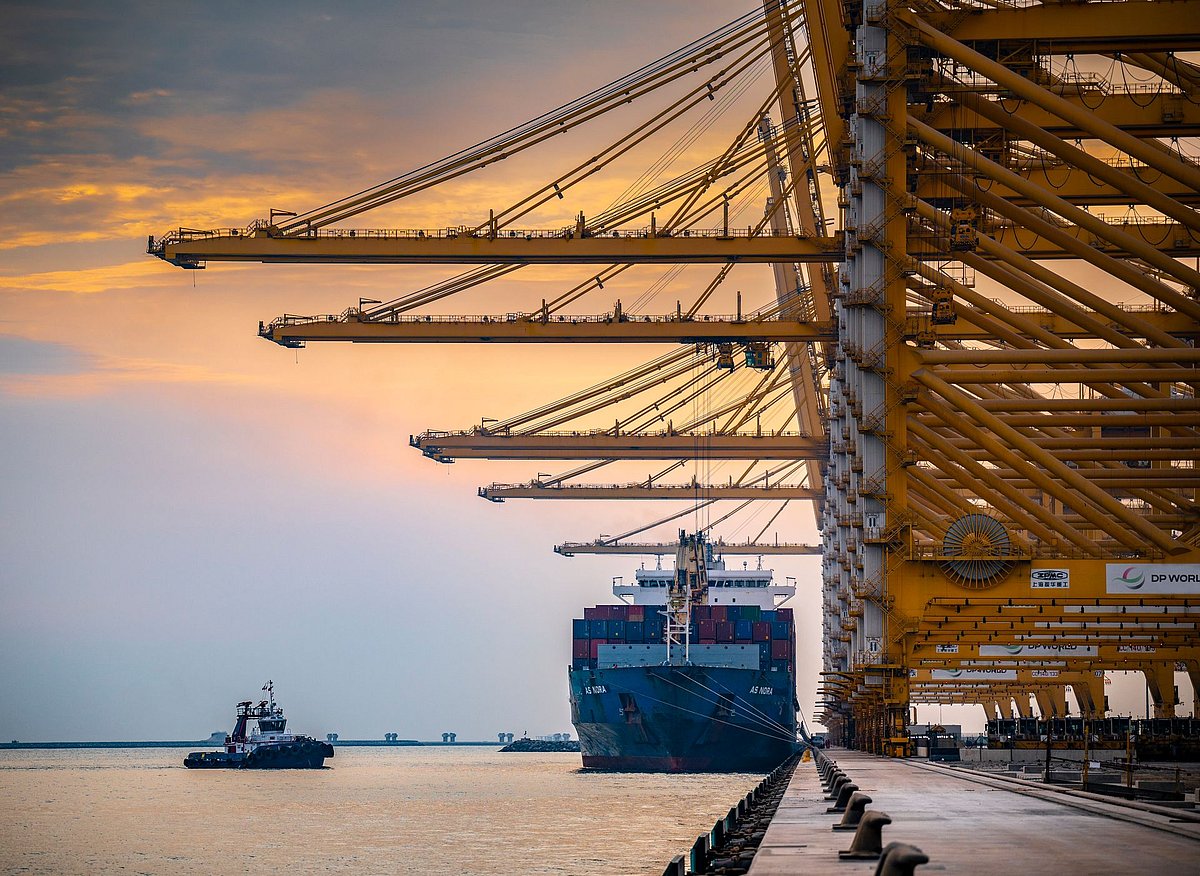
What happens next for your deliveries? Shipping lines reassess routes and risk
Supplied
Dubai: Cargo continues to move into the UAE, but the way it is moving has shifted since the conflict began, with shipping lines slowing or pausing bookings into the Arabian Gulf while they reassess risk, insurance costs and access conditions.
At Jebel Ali, operations have remained fully functional throughout, even as vessel calls and new bookings have thinned.
Get updated faster and for FREE: Download the Gulf News app now - simply click here.
In an exclusive interview with Gulf News, Ahmad Yousef Al Hassan, CEO and Managing Director of DP World GCC, said the immediate phase after the ceasefire announcement has been perceived with caution across the industry, with carriers holding back until there is clearer visibility on operating conditions.
“Bookings have slowed down, or mostly stopped, from some of the shipping lines, and they’re not taking bookings within the Arabian Gulf,” he said.
Vessels wait as carriers assess next move
Shipping lines are now focused on managing vessels already in the region, many of which remain stranded or delayed. Some are loaded and waiting to exit, while others may call at Jebel Ali to pick up exports or reposition empty containers before leaving.
The decision to resume normal operations depends on a series of unresolved questions around access and risk.
“Everybody wants clarity. Everyone’s trying to figure out what this means in terms of the Strait access,” Al Hassan said, describing a market that is active in discussion but cautious in execution.
DP World’s commercial teams moved quickly after the ceasefire signals, engaging with carriers across global and regional networks to understand how they plan to respond.
Insurance continues to influence every operational decision. Cover is available, but at elevated war risk premiums that must be reassessed frequently.
“Insurance was always there. It was just expensive,” Al Hassan said.
Shipping lines are now evaluating whether those premiums will ease and whether the perceived risk has shifted enough to justify re-entering the Gulf at scale. The duration and pricing of cover, along with evolving risk assessments, will determine how quickly bookings resume.
Trade flows continue through coordination
Despite the slowdown in bookings, trade has not stopped. Cargo is still moving through a combination of existing shipments, rerouted flows and logistics solutions built over the past several years.
DP World’s role has expanded beyond port operations into full supply chain coordination, linking shipping lines with cargo owners, traders and manufacturers to keep goods moving.
“It’s all about trade enablement,” Al Hassan said, pointing to the need to ensure supply and demand remain connected even during disruption.
Businesses within Jebel Ali Free Zone and across the UAE continue to receive support through tailored routing solutions, allowing imports and exports to move through alternative channels when required.
Jebel Ali remains the central hub
The port’s position within the UAE’s trade system remains intact, even as shipping patterns shift temporarily.
“Eighty percent of all imports in the UAE used to come through Jebel Ali,” Al Hassan said, highlighting the scale of reliance on the port’s ecosystem.
Alternative corridors, including routes through Khorfakkan, are being used to support flows, with bonded logistics solutions enabling cargo to be discharged at one port and cleared through Jebel Ali. More than 1,000 trucks have been deployed to support these movements, keeping the port at the centre of distribution.
The objective remains to preserve the ecosystem built around Jebel Ali, which integrates port operations, free zones and inland logistics into a single network.
Preparing for a surge in activity
Focus is now shifting to the next phase. A clearer operating environment could trigger a rapid return of vessels and a sharp increase in cargo volumes.
DP World has been preparing for that scenario by maintaining equipment, clearing yard space and keeping labour ready to scale operations quickly.
“We have to be ready for this really big wave that’s going to come,” Al Hassan said.
Lessons from previous disruptions, including the pandemic period, are shaping current preparations, with emphasis on avoiding bottlenecks and maintaining throughput when volumes rise.
Nivetha Dayanand is Assistant Business Editor at Gulf News, covering aviation, financial markets and commodities. A business and financial journalist with a strong interest in multimedia storytelling, she regularly takes complex financial and economic subjects beyond the written word, producing explainer videos that make them easier for a wider audience to understand. Nivetha has interviewed senior policymakers, business leaders and global financial figures both on and off camera. Her past guests include UAE Minister of Economy and Tourism Abdulla bin Touq Al Marri, Khaled bin Alwaleed Al Saud, a member of the House of Saud and the founder and CEO of KBW Ventures, Jihad Azour, Director of the Middle East and Central Asia Department at the International Monetary Fund and Indian ministers Hardeep Singh Puri and N. Chandrababu Naidu. She has also hosted and moderated panels, conferences and awards shows, bringing her newsroom experience to live conversations on business, finance and the economy. An Erasmus Mundus journalism alum, Nivetha is drawn to stories that affect people directly and to reporting that gives a platform to voices that might otherwise go unheard. She was among the first journalists to speak to Petrofac employees in the UAE about unpaid salaries, broke the news of the planned demolition of Dubai’s well-known “Toyota Building”, and helped set the record straight on widely circulated claims that a giant replica of the Moon was coming to Dubai. More recently, her exclusive interview with EDGE Group CEO Hamad Al Marar revealed how the UAE-based defence group deployed its systems along the country’s shore border and established a geofence around the UAE within 48 hours of the February 28 escalation. Prior to joining Gulf News, Nivetha worked at ITP Media, where she helped launch Finance Middle East, a new publication covering the region’s financial sector. Her role spanned reporting and editing, video production, interviews and events. Across print, digital, and video, she focuses on finding the people behind business stories and explaining why those stories matter to the audience reading or watching them.
Sign up for the Daily Briefing
Get the latest news and updates straight to your inbox
Network Links
GN StoreAbout Gulf NewsTerms & ConditionsReach by GNSitemapContact usPrivacy PolicyGN FocusHave your sayWork with usAdvertise with usGulf News epaperPrinting Services
Download our app
© Al Nisr Publishing LLC 2026. All rights reserved.