Iran war: 10 reasons why your travel insurance may fall short – what to do if it does
Policies often exclude war risks, leaving travellers to rely on airlines or pay costs
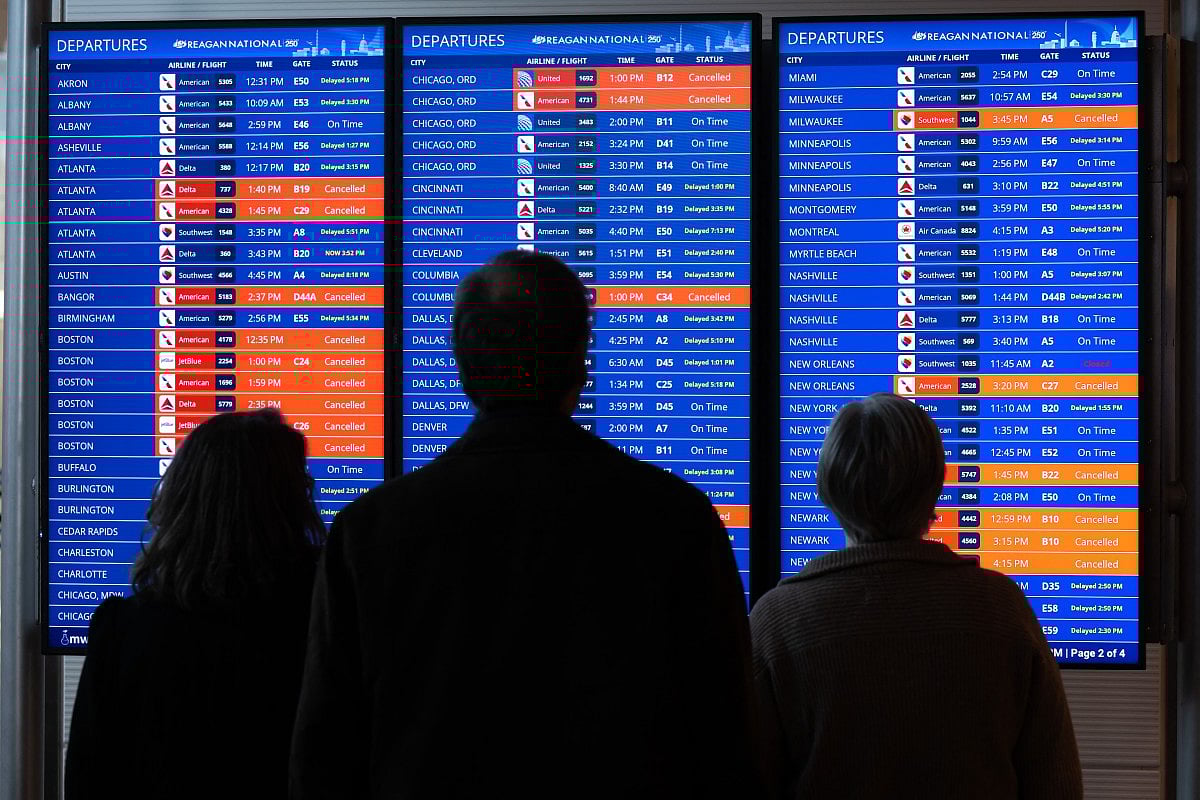
Dubai: Airspace disruptions following US and Israeli strikes on Iran have triggered widespread flight cancellations across major transit hubs. Thousands of travellers have been affected as airlines suspended or rerouted services across the Middle East.
Many expected travel insurance to act as a financial backstop. In practice, standard policy wording leaves significant gaps. Travel advisors across the industry have been warning where coverage breaks—and outlining what travellers should do. Here’s a breakdown:
1. War, military action typically excluded
Most policies exclude losses linked to war, military strikes, and political unrest
This applies whether the conflict is declared or ongoing
Claims tied directly to the Iran conflict are often rejected
What to do:
Check the “general exclusions” section carefully
Do not assume conflict-related claims qualify
Contact your insurer to confirm scope
Stay updated: Get the latest faster by downloading the Gulf News app - it's completely free. Click here for Apple or here for Android. You can also find it on the Huawei AppGallery.
2. Closures, cancellations may not be covered
Government-mandated airspace shutdowns fall under standard exclusions
Airline suspensions linked to conflict may not trigger payouts
Travellers may not recover costs for unused tickets or new bookings
What to do:
Approach airlines first for refunds or rebooking
Keep receipts and cancellation notices
Check credit card protections where applicable
3. Non-refundable trip costs are at risk
Missed trips may not be reimbursed
This includes flights, hotels, and prepaid tours
Cancellation and interruption benefits often exclude war-related events
What to do:
Identify refundable vs non-refundable expenses
Submit claims only where policy wording supports it
4. Out-of-pocket costs not reimbursed
Additional hotel stays, meals, and rebooking costs may be excluded
Especially if delays are directly tied to military action or airspace closures
What to do:
Track all expenses in detail
File under “travel delay” benefits if eligible
5. “Known event” rules can limit claims
Insurance covers ‘unforeseen’ events
If the conflict was public before booking, claims may be denied
What to do:
Compare booking dates with when the conflict escalated
Keep a clear timeline when filing claims
6. Cancelling due to safety concerns
Feeling unsafe is not typically an insured reason
Policies usually require illness, injury, or defined emergencies
What to do:
Check if you purchased “cancel for any reason” cover
Without it, cancellation claims may not succeed
7. Terrorism, war treated differently
Some policies cover isolated terrorist incidents
Full-scale conflict is usually excluded under war provisions
What to do:
Review how your policy defines “terrorism” and “war”
Do not assume overlap between the two
8. Indirect disruptions still covered
Secondary effects—such as delays or missed connections—can qualify. This includes: Airline rerouting, crew rescheduling, operational delays linked to network disruption
What to do:
Break claims into specific categories
File under delay or disruption benefits separately
9. Add-ons offer limited flexibility
“Cancel for any reason” or “interruption for any reason” upgrades can provide partial reimbursement
These must typically be purchased shortly after booking
Payouts are often capped
What to do:
Review whether you added these options
Check reimbursement limits and timing conditions
10. Medical cover services still matter
Emergency medical treatment is usually covered if not directly caused by conflict
Evacuation and repatriation benefits may still apply
Insurers may provide coordination support even if claims are denied
What to do:
Contact emergency assistance services immediately if needed
Use approved medical providers
Keep all medical and communication records
What travellers in UAE must check
War and geopolitical exclusions
Medical coverage limits abroad
Access to 24/7 emergency assistance
Trip delay and disruption benefits
Policy validity and coverage dates
If you are stranded abroad:
Insurance may not cover conflict-related costs
Airlines and tour operators often become the first point of resolution
Insurers may still assist with logistics
What to do:
Contact your airline and insurer immediately
Save all correspondence and receipts
Monitor flight updates and advisories
Bottom-line: Travel insurance is structured around unexpected disruptions—not large-scale geopolitical conflict. Understanding where coverage stops is critical before relying on it.

Sign up for the Daily Briefing
Get the latest news and updates straight to your inbox
Network Links
GN StoreDownload our app
© Al Nisr Publishing LLC 2026. All rights reserved.