Air India, IndiGo cut more flight routes, adding pressure on UAE travellers
India’s two biggest airlines scale back flights as jet fuel crisis deepens
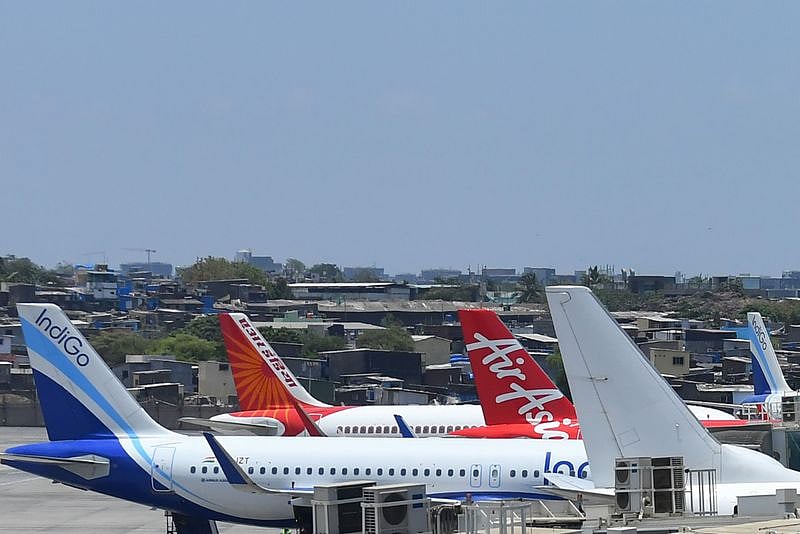
Dubai: Flight cuts by Air India and IndiGo are beginning to disrupt travel plans for thousands of UAE-based passengers as India’s two largest airlines scale back operations amid soaring jet fuel prices linked to the Iran conflict.
Get updated faster and for FREE: Download the Gulf News app now - simply click here.
The reductions come during the peak summer travel season, when millions of Indian expatriates in the Gulf travel home for school holidays, family visits and onward international connections.
Air India and IndiGo together control around 90% of India’s domestic passenger market, making the pullback significant for travellers across the UAE-India corridor.
Sources familiar with the matter told Reuters that IndiGo has cut around 7%-10% of its planned domestic flights for June and July, while Air India has reduced around 22% of scheduled domestic services. The sources were not authorised to speak publicly.
The cuts are expected to tighten seat availability and keep fares elevated on several routes during the busy travel period.
Fuel costs surge
The aviation industry has been hit hard by rising jet fuel prices following disruptions linked to the Middle East conflict.
Fuel accounts for up to 40% of airline operating costs, forcing carriers to raise fares, suspend unprofitable routes and reduce frequencies.
Air India said it had “temporarily rationalised operations on certain domestic routes” between June and August because of the sustained impact of high fuel prices on operations.
An Air India official said aviation turbine fuel prices for the airline had risen from around Rs 80,000 per kilolitre before the Iran conflict to more than Rs 100,000.
The increases have been driven partly by disruptions around the Strait of Hormuz, the key global oil shipping route connecting Gulf energy producers to international markets.
UAE travellers affected
The flight reductions could create widespread knock-on effects for UAE travellers, especially passengers connecting through Delhi and Mumbai to smaller Indian cities or international destinations.
Air India said reduced international operations had lowered demand for domestic feeder flights into major hubs such as Delhi and Mumbai.
That could result in fewer connection options and longer transit times for passengers flying from Dubai, Abu Dhabi and Sharjah.
The impact may extend beyond India-bound travel.
Many UAE residents use Indian hubs as lower-cost transit points for flights to North America, Europe and parts of Asia. Reduced long-haul schedules could now limit those options.
Air India has already suspended or reduced several international services through August.
Delhi-Chicago flights have been suspended, while Delhi-San Francisco services were reduced from 10 weekly flights to seven. Flights to Toronto, Vancouver, Paris, Singapore, Bangkok and several European and Asian destinations have also seen frequency cuts.
IndiGo under pressure
IndiGo, India’s largest airline by market share, has also been forced to reduce capacity despite continuing expansion plans.
The carrier operates more than 2,200 daily flights, including international services, but had already trimmed some long-haul operations before the Iran conflict because of operational constraints and airport congestion.
The latest cuts highlight how vulnerable India’s rapidly growing aviation market remains to external shocks despite strong travel demand and large aircraft orders planned over the coming years.
Industry executives say airlines are increasingly prioritising profitability and fuel efficiency over market expansion as operating costs rise.
Fares likely to stay high
Travel industry analysts say the reductions are likely to keep ticket prices elevated across Gulf-India routes throughout the summer.
Limited seat supply combined with strong seasonal demand from expatriate families travelling during school holidays could push fares even higher on popular routes.
The cuts may also increase demand for Gulf carriers such as Emirates, Etihad Airways and flydubai, which could benefit from passengers seeking more stable schedules and direct international connections.
Still, those airlines are also facing higher fuel bills because of the ongoing energy market disruption.
Financial strain deepens
Air India’s operational retrenchment reflects broader financial stress within the airline industry.
The carrier recently reported an annual loss of more than $2 billion, pressured not only by rising fuel costs but also by Pakistan’s continued ban on Indian airlines using its airspace and the strength of the U.S. dollar.
Air India is owned by Tata Group and Singapore Airlines. The airline said affected passengers would be offered alternative flight arrangements, complimentary date changes or refunds where applicable.
It added that operations would continue to be reviewed based on fuel prices, demand trends and broader operating conditions.
Analysts warn that further adjustments remain possible if tensions in the Middle East continue disrupting oil markets and aviation supply chains.
For UAE travellers, that could mean prolonged uncertainty around fares, flight schedules and seat availability well beyond the summer travel season.

Sign up for the Daily Briefing
Get the latest news and updates straight to your inbox
Network Links
GN StoreDownload our app
© Al Nisr Publishing LLC 2026. All rights reserved.