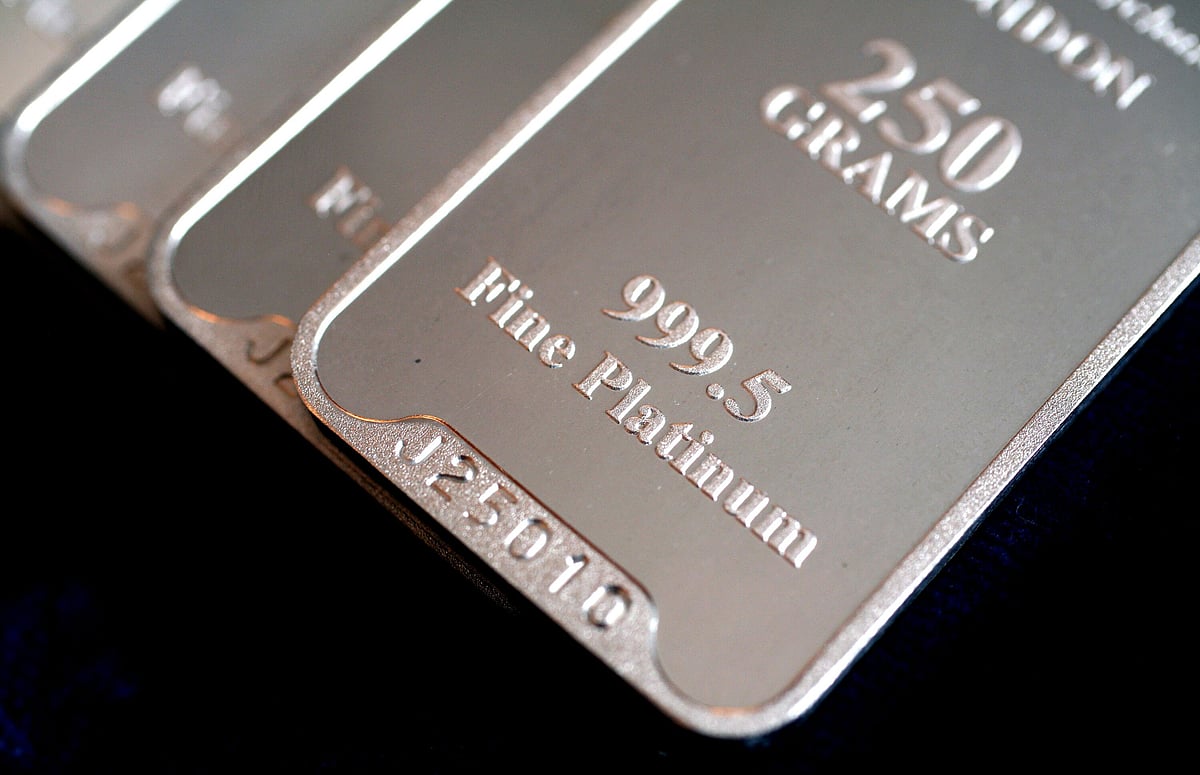
Dubai: Platinum surged to a fresh all-time high above $2,300 an ounce Wednesday, trading at $2,331.30 by 6:09 am GMT on tight global supplies, elevated borrowing costs and tariff hedging. The metal climbed for a 10th straight session, its longest streak since 2017, and has rocketed over 150% this year, the biggest annual gain since records began in 1987.
London vaults tightened as banks shifted metal to US warehouses, awaiting Washington's Section 232 probe that could slap tariffs on imports. Over 600,000 ounces now sit stateside, far above normal, amplifying squeezes.
Also Read
Dubai gold sets another record, making jewellery and savings more expensiveCrowd-favourite 22-karat gold crosses Dh500 in Dubai on its 50th record dayGold hit record highs in 2025. How it’s reshaping weddings, savings and buying decisions in 2026South Africa disruptions fuel deficits
Platinum faces a third straight annual deficit from South African supply woes, where the top producer accounts for 70% of global output. Heavy rains and operational halts slashed availability, hitting auto catalysts, jewellery and industrial users from chemicals to glass.
“Platinum has surged around 125% this year and moved above $2,000, hitting a 17-year high," said Vijay Valecha, CIO at Century Financial. "The rally is mainly driven by an apparent supply shortage. The market is now in its third straight year of deficit. A key trigger this year was supply disruption in South Africa, caused by heavy rainfall and operational issues at a major producer.”
Demand holds firm, with China uptake via catalytic converters for EVs and robust Guangzhou Futures Exchange trading pushing local prices above benchmarks.
Tariff risks and China speculation lift prices
Geopolitics sharpened the rally, with trade policy fears driving stockpiling. Wael Makarem, Lead Financial Markets Strategist at Exness, noted: “Geopolitics and trade policy have become key forces driving commodity prices like platinum, silver and gold, and their influence is likely to grow heading into 2026. Tariffs and trade tensions are among the top concerns for US businesses, and could continue to influence prices. In this regard, fears over new import duties have already prompted investors to shift platinum stocks into US warehouses, tightening supply in London and triggering squeezes that helped propel prices higher.”
China's Guangzhou Futures Exchange launch late 2025 ignited speculation. “China’s growing demand for platinum and silver markets has been a major driver of the 2025 rally and is likely to remain significant into 2026," said Makarem. "China launched new platinum and palladium futures contracts on the Guangzhou Futures Exchange in late 2025, which immediately boosted local trading activity and helped drive prices higher. Since GFEX began trading PGMs, London platinum prices jumped, underscoring the impact of Chinese speculation and investment.”
Precious metals wave lifts all boats
Platinum rode gold and silver's records, with industrial users leasing rather than buying amid high costs. “On the demand side, platinum demand has stayed strong. It is used along with palladium in catalytic converters for EVs, and demand from China has picked up," said Valecha highlighted. "This strength in demand coincides with substantial investor investment across precious metals like gold and silver, which further supports prices. In addition, platinum stockpiling has increased in the US as markets wait for the outcome of Washington’s Section 232 probe.”
- With inputs from agencies.

Sign up for the Daily Briefing
Get the latest news and updates straight to your inbox
Network Links
GN StoreDownload our app
© Al Nisr Publishing LLC 2026. All rights reserved.