New to Dubai, man rents a flat — then missing Ejari lands him in trouble
Know UAE rental rules: Documents new tenants need for utilities, visa, legal protection
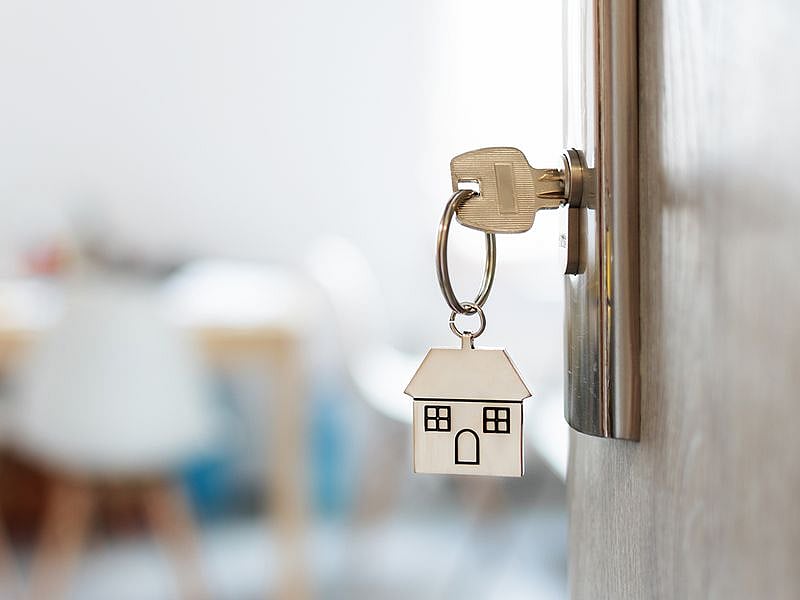
Dubai: George arrived in Dubai with a suitcase, a job offer, and plans to settle in the UAE. The name is illustrative, but the situation he encountered reflects what many newcomers experience when renting their first home.
Within a week, he found an apartment in Jumeirah Village, signed a tenancy contract, paid his deposit, and collected the keys. He expected this would allow him to begin setting up essential services.
When he tried to activate his flat's water and electricity supply, his application did not go through. The system blocked his request before it could be submitted.
Each time George logged into the Dubai Electricity and Water Authority (DEWA) portal, the same alert appeared. A prompt indicated that his tenancy record had not been linked to the Ejari system, preventing the activation request from proceeding.
Although he had a signed lease and payment receipts, the absence of Ejari stopped the process. Without the certificate, the portal would not allow him to continue.
Contract vs Ejari
Most residents assume a tenancy contract is enough. In Dubai, it is not sufficient for official or service-related procedures.
A tenancy contract is the private legal agreement between tenant and landlord. Ejari is the official registration of that contract with the Real Estate Regulatory Agency under the Dubai Land Department.
Only once a lease is registered in Ejari does it become formally recognised by authorities and service providers. Without this registration, tenancy agreements are not integrated into government and utility systems.
A real estate official has previously described Ejari as a system created “to protect the rights of both landlords and tenants through a legally binding contract recognised by the courts.”
George learned this the hard way. Without Ejari, several essential services and administrative processes could not move forward:
DEWA would not activate utilities.
Telecom companies refused to register broadband services in his name.
Emirates ID address verification could not proceed.
Visa sponsorship processes were blocked.
Why Ejari matters
Ejari functions as a foundational requirement across Dubai’s housing and residency framework, linking tenancy contracts to government departments and service providers.
The registration is essential because it establishes an official relationship between the tenant and the landlord, and is a prerequisite for Dubai Electricity and Water Authority (Dewa) connections and for filing disputes at the Rental Dispute Centre.
The General Directorate of Residency and Foreigners Affairs requires proof of a registered tenancy for residents seeking to sponsor visas for family members or dependents. Without Ejari, such applications cannot proceed.
Internet service providers such as Etisalat and du require Ejari to connect fibre services to a verified physical address. The Roads and Transport Authority requires it for “resident only” parking permits in designated zones.
In rental disputes, Ejari determines whether a tenant has standing at the Rental Dispute Centre. Without it, a tenant cannot formally file a claim or respond to proceedings.
Tenant count
As George sought clarity, he learned that Ejari requirements extend beyond the contract holder. Occupancy details also form part of the official record.
An industry expert emphasised a lesser-known requirement: all persons living in a property must be entered into the Ejari system, even if they are not listed on the tenancy contract. This applies to shared apartments, co-living spaces, and partitioned units.
Dubai now requires tenants to declare all occupants in a residential unit under Ejari. Failure to do so can create complications related to utility connections, tenancy renewals, and legal protections.
This means even people renting a single room fall under Ejari regulations. Occupant registration affects access to services and legal standing.
Duties, fees
By law, Ejari registration is the landlord’s responsibility. In practice, the process is often passed to tenants.
Some landlords register Ejari automatically as part of leasing. Others ask tenants to complete it themselves or through authorised service centres.
Many landlords outsource registration to typing centres or property service firms. According to Dubai Land Department channels and the Dubai Rest App, the standard registration fee is commonly around Dh180, while authorised private providers may charge additional processing fees.
George’s contract did not specify who would handle Ejari registration. That omission delayed the process.
After discussions, the landlord agreed to complete the registration on the condition that George paid the fee. The certificate was issued two days later.
Once Ejari was active, DEWA accepted his application. Telecom services and other pending procedures were then able to proceed.
What to do
For many newcomers, Ejari is not just a formality. It is a requirement for essential services and official processes.
Residents should take the following steps:
Register Ejari immediately after signing the lease.
Confirm who handles the process and who covers the fee.
Update Ejari if occupants or rent terms change.
George’s experience reflects the challenges faced by many new residents navigating Dubai’s rental system. Understanding Ejari’s role early can help prevent delays in accessing basic services and completing administrative procedures.
For many UAE residents, Ejari attracts little attention once it is completed. Its significance becomes clear when it is missing.

Sign up for the Daily Briefing
Get the latest news and updates straight to your inbox
Network Links
GN StoreDownload our app
© Al Nisr Publishing LLC 2026. All rights reserved.