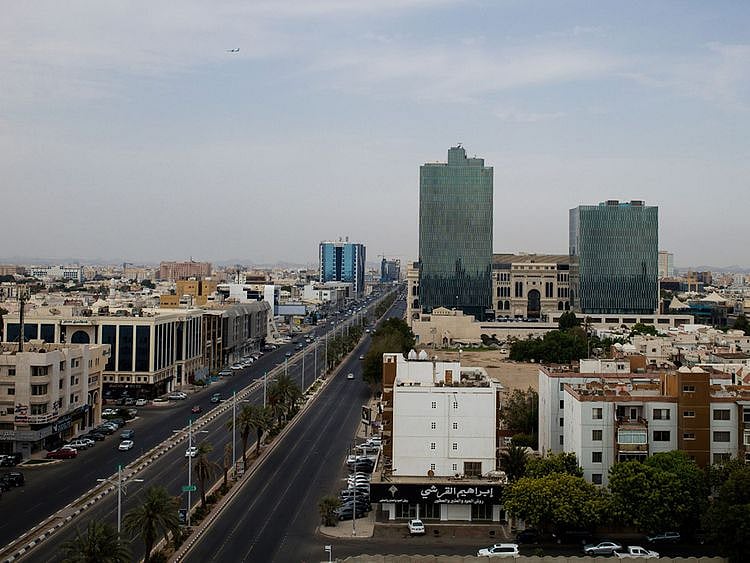
Dubai: Saudi Arabia’s housing market is beginning to diverge across cities, with Jeddah recording its strongest year in recent memory while Riyadh shows signs of strain and Dammam gains ground on pricing appeal.
According to Cavendish Maxwell’s 2025 KSA Residential Real Estate performance report, Jeddah saw 30,500 residential transactions in 2025, with total sales reaching SAR36.6 billion. The average deal size stood at SAR1.2 million, reflecting steady end-user demand even as market conditions shifted.
That contrasts with Riyadh, where activity slowed despite larger ticket sizes, suggesting a shift in how buyers approach the market.
Get updated faster and for FREE: Download the Gulf News app now - simply click here.
Dammam draws buyers on pricing
Dammam is emerging as a preferred market for buyers seeking relative value.
Sales values climbed close to 30% to SAR10.7 billion, with transaction volumes also rising, supported by more accessible pricing and steady economic activity in the Eastern Province.
“KSA’s three major residential markets – Riyadh, Jeddah and Dammam – delivered contrasting performances in 2025. Jeddah showed resilience with its highest sales volumes for several years and is expected to maintain stable growth in the future. Dammam, where property is more affordable compared to other cities, was the standout performer and is poised for sustained growth supported by competitive pricing and robust economic activity in the region,” said Siraj Ahmed, Director, Head of Strategy and Consulting at Cavendish Maxwell.
Riyadh demand adjusts to higher costs
Riyadh remains the largest market by value, with SAR96.2 billion in residential sales across 56,600 transactions. Yet volumes fell 31% year-on-year, indicating pressure on buyer activity.
Higher property prices and financing costs have reduced purchasing power, even as average transaction values reached SAR1.7 million.
“In Riyadh, affordability constraints and elevated financing costs led to a decline in purchasing power and buyer activity. Although transactions were down year-on-year, population growth, urbanisation and housing initiatives should support long-term market demand,” Ahmed said.
Policy shifts begin to take effect
Recent policy changes are expected to influence pricing and supply over the coming quarters.
A five-year rent freeze introduced last year and adjustments to the White Land Tax are aimed at encouraging development and improving affordability, particularly in Riyadh.
“We expect a recalibration of the market as new supply, the 5-year rent freeze and White Land Tax reforms make property more competitively priced and lead to a recovery in market activity,” Ahmed said.
Supply builds, but delivery remains uneven
New supply continues to enter the market, though completion timelines remain fluid.
Riyadh added 13,000 units last year, taking total inventory to 1.93 million, with tens of thousands more planned through 2027. Jeddah’s pipeline is also expanding, while Dammam is set to add new stock over the same period, giving buyers more options and greater negotiating power.
“The expansion in supply is further supported by the recent rise in White Land Tax, which encourages landowners to develop empty plots of land and accelerate delivery timelines. The full impact of this reform will likely materialise through this year and beyond, with the gap between demand and supply gradually narrowing, in turn easing price pressure and enhancing affordability,” Ahmed said.
Foreign ownership widens the base
A new foreign ownership law introduced earlier this year is expected to draw a broader investor base into the market.
The framework allows non-Saudi buyers to acquire property in designated zones, marking a shift from earlier restrictions and opening the sector to additional capital.
Demand remains supported despite risks
Oil price swings and geopolitical developments remain key variables, though underlying demand drivers continue to hold.
“External factors including oil market volatility and geopolitical tensions of course warrant close monitoring, but Saudi’s residential market remains well positioned, supported by strong demographic drivers, ongoing infrastructure investment and a continued commitment to Vision 2030,” Ahmed said.

Sign up for the Daily Briefing
Get the latest news and updates straight to your inbox
Network Links
GN StoreDownload our app
© Al Nisr Publishing LLC 2026. All rights reserved.