Moderna stock plunged 18% after cancer vaccine data leak
Leaked melanoma trial data shows the vaccine works but falls short of investor hopes
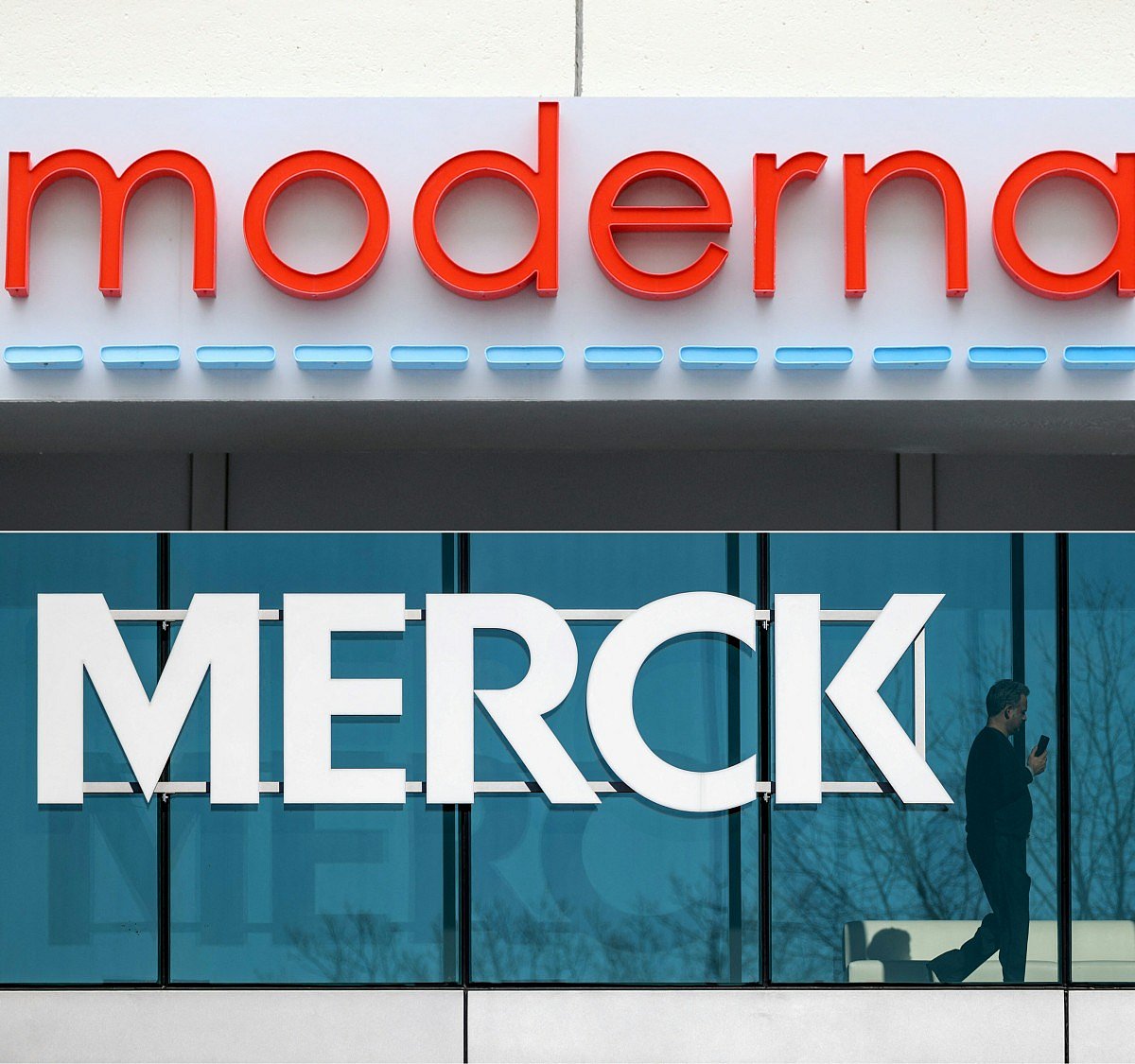
Dubai: Moderna shares plunged 18 per cent on Thursday after full results from its personalised melanoma vaccine trial leaked online before the official release. Shares of Merck, its development partner, fell 1.8 per cent. The data confirmed the vaccine works, however, investors were expecting far more.
The leak was first tracked on X, when unverified accounts posted details of the vaccine, known as intismeran autogene. One post cited a report credited to Oncology Central, however that remained unverified. The pharma companies involved had not divulged any details and were planning to present the full results at the European Society for Medical Oncology meeting in Madrid on October 24. Moderna then released the report on October 22, 2026 at 10:59 PM.
The trial period
The trial tested a vaccine built individually for each patient. Doctors gave it alongside Merck’s Keytruda, the company’s best-selling drug. The final-stage study enrolled more than 1,100 patients at high risk of recurrence after surgery to remove their melanoma. However, a control group received Keytruda alone.
The results showed that the vaccine cut the risk of cancer recurrence by 42 per cent. It also reduced the chance of distant spread, or metastasis, by 38 per cent. This is the first positive final-stage trial for any mRNA-based cancer therapy.
Why did shares fall despite a positive trial?
Back in August, both the companies had announced a significant and clinically meaningful drop in recurrence of the deadly tumours. While they had given no figures to compare, investors were bullish on the outcome and just that announcements had sent Moderna and Merck shares soaring. Moderna still trades more than 200 per cent above its close before that announcement, even after Thursday’s sell-off.
An earlier study set the bar. It involved different patients over a different period, so it is not a direct comparison. That trial found a 49 per cent reduction in the risk of recurrence or death, and a 59 per cent reduction in the risk of distant spread or death. Analysts measured the new numbers against it anyway.
Wall Street also treated the melanoma shot as a test case. Moderna is trying to build a wider oncology franchise on the same technology. The companies are running trials in lung cancer, bladder cancer and other tumour types.
“From the beginning, we believed mRNA technology could make it possible to develop cancer treatments uniquely matched to each patient’s tumor. The INTerpath-001 results mark a defining moment for that vision and show what’s possible when we rethink how medicines are made,” said Stéphane Bancel, Chief Executive Officer of Moderna.
“These results reinforce our conviction that mRNA has the potential to fundamentally change how we treat cancer,” the note from the now released paper read.
The next test comes from the ongoing trials in kidney and bladder cancer. Those results will determine how large the breakthrough proves to be.
Network Links
GN StoreDownload our app
© Al Nisr Publishing LLC 2026. All rights reserved.