UAE stock markets drop after two-day halt as regional tensions escalate
DFM falls nearly 5% while ADX slips nearly 2% as investors absorb geopolitical risks
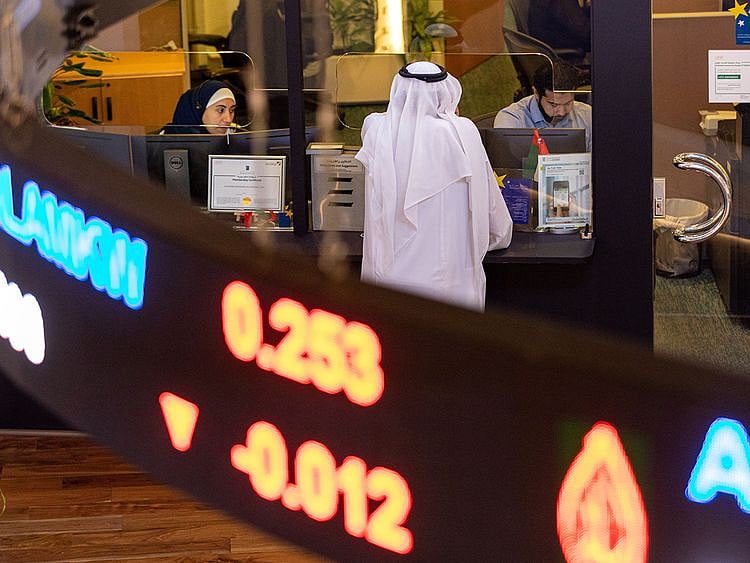
The Dubai Financial Market General Index closed down 4.7% on Wednesday, marking its steepest single-day drop since mid 2022. Abu Dhabi equities also moved lower, with the Abu Dhabi Securities Exchange ending the day down 2%, after falling as much as 3.6%.
Stay updated: Get the latest faster by downloading the Gulf News app now - it's completely free. Click here for Apple or here for Android. You can also find it on the Huawei AppGallery.
The decline came after regulators halted trading earlier this week while monitoring the escalating conflict involving the United States, Israel and Iran. Markets resumed trading on Wednesday with investors processing several days of global developments at once.
Hamza Dweik, Head of Trading for the MENA region at Saxo Bank, said the initial session reflected a rapid adjustment rather than panic selling.
"When UAE markets reopened after the two day suspension, trading was dominated by price discovery as investors absorbed accumulated global and regional developments."
Broad pressure across sectors
Losses spread across much of the market during the reopening session, particularly among banking, real estate and aviation-related stocks.
Several large-cap companies reached the temporary 5% lower price limit set by exchanges to maintain orderly trading conditions. Major names such as Emaar Properties, Emaar Development, Deyaar Development and Emirates NBD came under pressure, alongside logistics firm Aramex and infrastructure-related companies including DEWA, Salik and Parkin.
Despite the sharp decline, analysts noted that trading conditions remained orderly and largely reflected delayed repricing following the two-day halt.
Dweik said regulatory safeguards helped ensure that the adjustment occurred in a controlled environment.
“Despite the size of the move, trading remained orderly, supported by regulatory safeguards, and reflected delayed repricing rather than panic driven selling.”
Markets are entering a volatile phase
Market participants expect volatility to remain elevated in the near term as investors continue to assess geopolitical developments and global financial signals.
Historical patterns suggest that the bulk of repositioning takes place during the first session after markets reopen following a temporary closure. Once pent-up orders are cleared, subsequent sessions typically offer a clearer view of investor sentiment.
The reopening session was therefore unlikely to provide a reliable signal about the market’s medium-term direction. “More meaningful signals typically emerge once volumes normalise and investors have time to distinguish between short term geopolitical risk and underlying fundamentals,” Dweik said.
Oil and geopolitics are shaping sentiment.
Energy prices and developments around key shipping routes are expected to play an important role in shaping investor sentiment across Gulf markets.
Oil prices have risen sharply in recent days amid concerns about potential disruptions to energy shipments through the Strait of Hormuz, a critical artery for global crude supply.
Higher oil prices often provide support to Gulf economies, though they also tend to increase market volatility during periods of geopolitical tension.
Vijay Valecha, Chief Investment Officer at Century Financial, said the current selloff reflects cautious sentiment rather than any change in the underlying strength of UAE companies.
“This move appears to reflect sentiment rather than any shift in underlying fundamentals.”
Strong economic backdrop
Despite the sharp move in equities, analysts say the broader economic picture in the UAE remains supportive.
Corporate earnings and property market momentum have been key drivers of market gains over the past several years, with major sectors recording significant expansion.
Valecha noted that banking and real estate stocks have delivered strong performance during the past five to six years, reflecting robust earnings growth and strong demand in the property sector.
He added that the country’s economic momentum remains intact, citing recent data showing that the UAE’s non-oil private sector expanded at its fastest pace in a year in February.
“Even though equity markets are mostly being driven by immediate fear over the ongoing conflict, the UAE’s economic strength and long term equity story remain intact.”
Investors watch the next signals.
Attention is now shifting to upcoming trading sessions, which may provide clearer signals about how markets are digesting geopolitical risks.
Traders are closely monitoring liquidity conditions, technical support levels, and sector leadership, particularly among banks and real estate companies, which typically influence index direction.
Valecha said risk management remains crucial during periods of heightened volatility. “Risk management and capital protection would play an important role.”
Market participants will also be watching oil prices and developments around maritime routes in the Gulf, alongside global equity market trends that often influence regional sentiment.
The duration of geopolitical tensions will likely determine how long markets remain volatile, though analysts say the region’s economic fundamentals remain a strong underlying foundation.

Sign up for the Daily Briefing
Get the latest news and updates straight to your inbox
Network Links
GN StoreDownload our app
© Al Nisr Publishing LLC 2026. All rights reserved.