Dubai: Oil prices could take 4 to 8 weeks to stabilise even if the Strait of Hormuz reopens on Friday, as tanker backlogs, elevated insurance costs, low inventories and doubts over the ceasefire continue to keep a risk premium in energy markets.
Brent crude has already dropped from wartime highs of nearly $120 a barrel to around $80, after traders priced in the expected US-Iran agreement and the reopening of one of the world’s most important oil shipping routes. That means the formal reopening may lead to only a limited further decline in crude, while the physical market takes longer to return to normal.
Get updated faster and for FREE: Download the Gulf News app now - simply click here.
The bigger issue for consumers is that petrol and diesel prices usually move with a lag, because refiners, distributors and fuel retailers must work through existing inventories, procurement contracts and local pricing mechanisms before lower crude prices reach the pump.
Why oil may not settle quickly
The Strait of Hormuz carries about 20% of global oil and LNG trade, making it central to energy security and fuel costs. Reopening the route would remove a major bottleneck, but analysts expect the market to wait for proof that ships can move safely and consistently before stripping out the remaining geopolitical premium.
Vijay Valecha, Chief Investment Officer at Century Financial, expects oil prices to find an initial trading range in the first week after reopening, but sees a more stable and lower range emerging only by late third quarter if the ceasefire holds and OPEC+ gradually brings spare production capacity back to the market.
The physical recovery is slower because war-risk insurance for tankers has risen from about 0.125% of a ship’s value to between 2.5 and 5%, adding several million dollars to the cost of each voyage. Shipping companies are unlikely to return in large numbers until insurance costs fall and safe passage is proven through regular tanker movement.
Valecha explained that around 20 tankers a day would need to move through the strait before markets can treat flows as largely restored.
Backlogs and safety checks
Shipping congestion is another constraint. Ship-tracking data points to more than 250 tankers and over 330 cargo ships waiting inside the Gulf, creating a backlog that must clear before the route can operate at pre-war levels.
Possible mine-clearing operations could also delay a full return to normal shipping. Concerns over mines remain disputed, but any clearance process would be slow and dependent on cooperation and security conditions.
Wael Makarem, Financial Markets Strategist Lead at Exness, stated that price stabilisation would require several weeks at least, since production and export flows have to return gradually while delayed tanker movements are absorbed and storage buffers are rebuilt.
Abdelaziz Albogdady, Market Research and Fintech Strategy Manager at FXEM, also expects the price decline to continue more slowly if there is no further escalation. In his view, full normalisation may take several weeks to months because the market must still deal with shipping flows, insurance costs, freight availability and lingering geopolitical concerns.
Fuel prices could stay higher for weeks
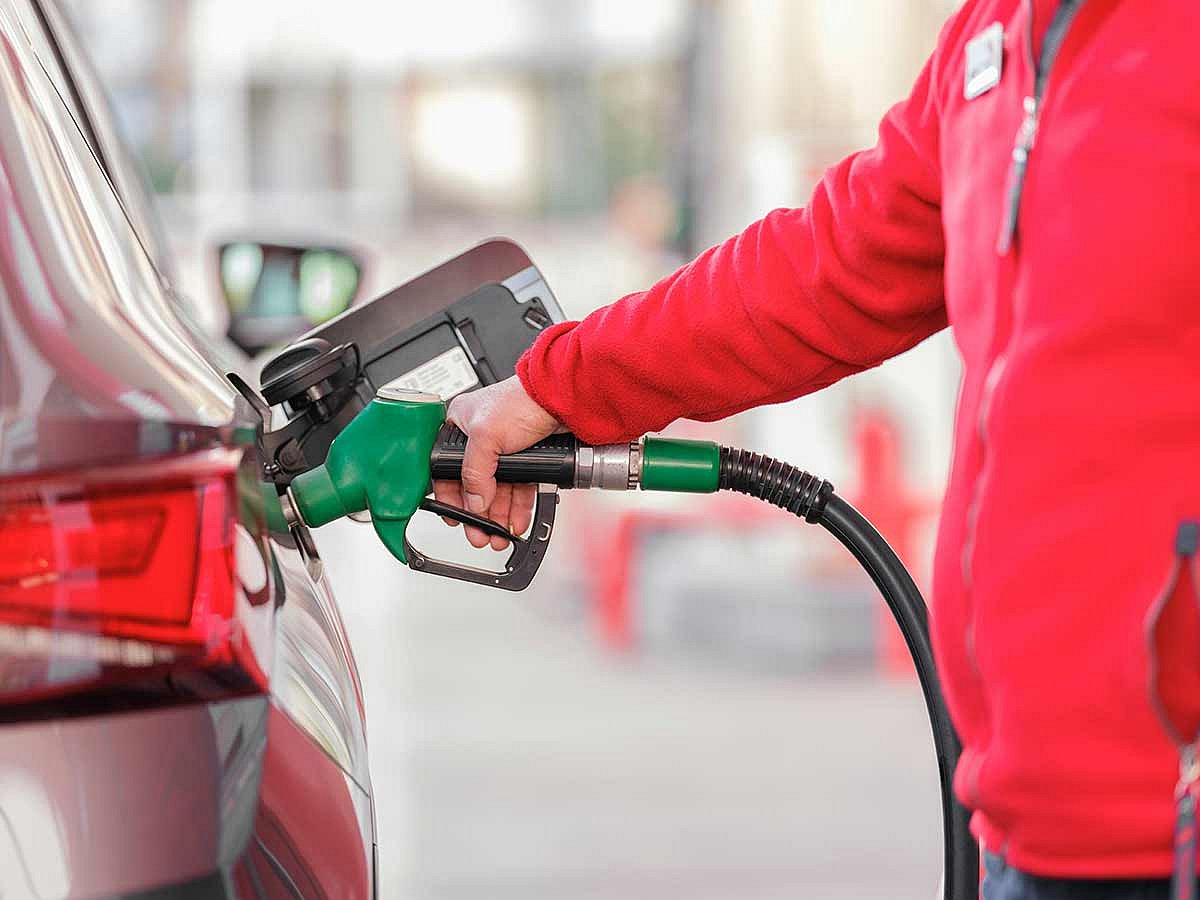
Consumers may continue to pay elevated petrol and diesel prices for several weeks even if crude prices fall sooner, because retail fuel markets do not reset immediately.
Albogdady explained that retail fuel pricing often adjusts with a lag due to existing inventories, procurement contracts, refining margins and local pricing mechanisms. That lag means lower crude prices may take time to filter through to households and businesses.
In the UAE, where petrol prices are adjusted monthly, consumers may see any relief gradually across successive pricing cycles. June prices had climbed to almost four-year highs after the conflict pushed crude, insurance and shipping costs higher.
Makarem also expects consumer fuel prices to ease over several weeks, depending on how quickly refiners pass through lower crude costs, whether governments intervene through reserve releases or pricing measures, and whether crude returns to pre-conflict levels or settles at a higher floor due to lingering risk premiums.
Joshua Owen, UK CEO of Lunaro Financial Services, explained that consumer pricing tends to lag the underlying oil market as inventories are replaced and supply chains reset. According to him, the US administration would be keen for consumers to see lower fuel prices quickly, given pressure at the pump and inflation concerns.
Inventories may keep a floor under crude
Low inventories could prevent oil prices from falling back to pre-war levels in the near term.
Valecha pointed to depleted stockpiles across major consuming markets, with OECD oil inventories expected to fall to their lowest levels since 2003. The US emergency crude supply has also fallen to about 340 million barrels, its lowest level since 1983, while global inventories dropped by 129 million barrels in March and 117 million barrels in April, according to the International Energy Agency.
Rebuilding those inventories is likely to support crude demand even after shipping resumes. That means the market may stabilise below wartime highs, but still above pre-war levels in the mid-$60s.
Valecha noted that during the conflict, the physical oil market commanded a premium of up to $30 over paper prices, showing the gap between financial market expectations and actual delivery constraints.
Shipping and goods prices may take longer
The shipping and logistics sector could take longer than oil markets to normalise, with freight costs potentially needing 3 to 6 months to return to earlier levels.
That means groceries, packaged food and home goods could stay expensive for longer, even if crude prices continue to ease. Fresh produce may respond more quickly because shorter shelf lives and faster inventory turnover allow prices to adjust sooner to lower transport costs.
Owen noted that the conflict may speed up GCC infrastructure projects designed to reduce dependence on the strait, including pipelines and alternative supply routes. Such projects could make energy supply chains more resilient over time and reduce the risk of future price shocks.
According to him, the conflict has highlighted global reliance on oil and gas from the Middle East, even as Western economies try to reduce dependence on fossil fuels and strengthen alternative energy supply chains.
What consumers should watch next
Consumers should watch tanker traffic through Hormuz, shipping insurance premiums, inventory data, OPEC+ production decisions and any fresh military or diplomatic escalation in the Gulf.
Albogdady stated that the key issue for energy markets is not only supply availability, but also reliability. If ships move freely, insurance costs fall and inventories rebuild without disruption, energy prices should gradually ease.
A reopening of Hormuz would be a major step toward lower oil prices, but the full benefit for consumers will take longer because physical markets, supply chains and fuel pricing systems move more slowly than crude futures.
Sign up for the Daily Briefing
Get the latest news and updates straight to your inbox
Network Links
GN StoreDownload our app
© Al Nisr Publishing LLC 2026. All rights reserved.