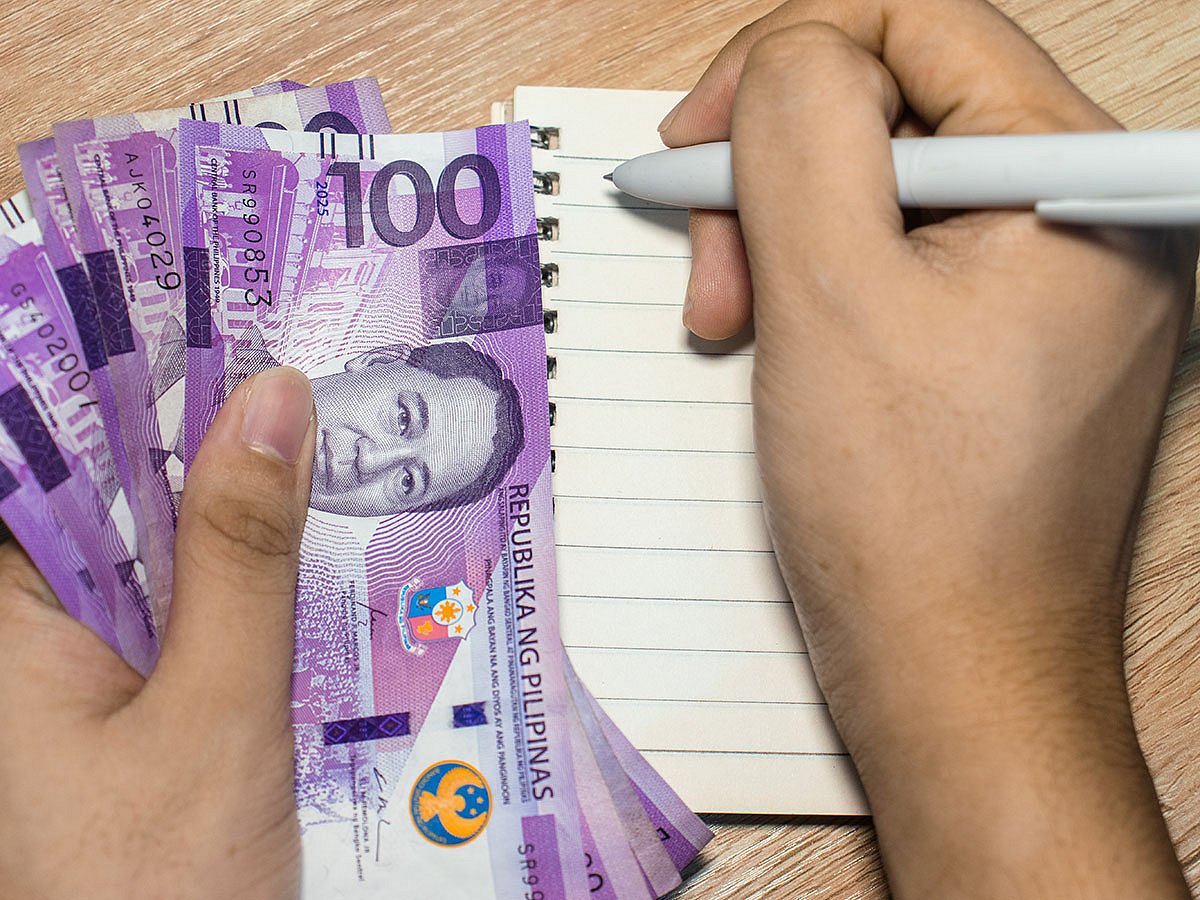
Dubai: The Philippine peso weakened again on Tuesday morning, pushing past 16.5 against the UAE dirham and extending a steady decline seen in recent sessions.
At 9.35 am, Dh1 fetched 16.53 pesos, near the upper end of its recent trading range. Over the past week, the currency has moved between 16.25 and 16.50, with limited volatility but a clear weakening bias.
Get updated faster and for FREE: Download the Gulf News app now - simply click here.
The broader trend shows a gradual slide. Over 30 days, the peso ranged between 15.70 and 16.50, while the 90-day band reflects a similar pattern, pointing to sustained pressure building over time.
Inflation risks take centre stage
The currency’s weakness comes at a time when inflation pressures are building, driven by higher fuel costs and a weaker exchange rate.
The Bangko Sentral ng Pilipinas expects inflation in March to accelerate to between 3.1% and 3.9%, with the midpoint pointing to the fastest pace since July 2024. Rising fuel prices linked to geopolitical tensions and higher electricity and food costs are feeding into the outlook.
“The BSP will remain vigilant and guided by incoming data, specifically on inflation and growth prospects,” the central bank said. “We will continue to monitor recent developments in the Middle East for their implications on inflation and economic activity.”
Supply shocks complicate policy response
Policy makers are facing a difficult trade-off, with inflation driven largely by supply-side factors. The central bank recently raised its full-year inflation forecast to 5.1%, moving further above its 2% to 4% target range.
Governor Eli Remolona indicated that rate hikes may have limited immediate impact, given that price pressures are being driven by external shocks.
Economists warn that prolonged supply disruptions could spill over into broader demand conditions. Emilio Neri Jr., lead economist at Bank of the Philippine Islands, said the policy stance may need to shift quickly if inflation expectations begin to rise.
“The BSP will likely become more agile amid this fluid situation to make the necessary tightening adjustments to ensure that the economy does not suffer further from this crisis,” he said.
Currency movements in the coming weeks will depend heavily on how inflation evolves and whether global energy prices stabilise, with markets closely watching central bank signals and geopolitical developments.
- With inputs from Bloomberg.

Sign up for the Daily Briefing
Get the latest news and updates straight to your inbox
Network Links
GN StoreDownload our app
© Al Nisr Publishing LLC 2026. All rights reserved.