Indian rupee near record low. 7 factors driving the slide
Equity outflows, hedging and gold imports keep the rupee weak despite a softer dollar
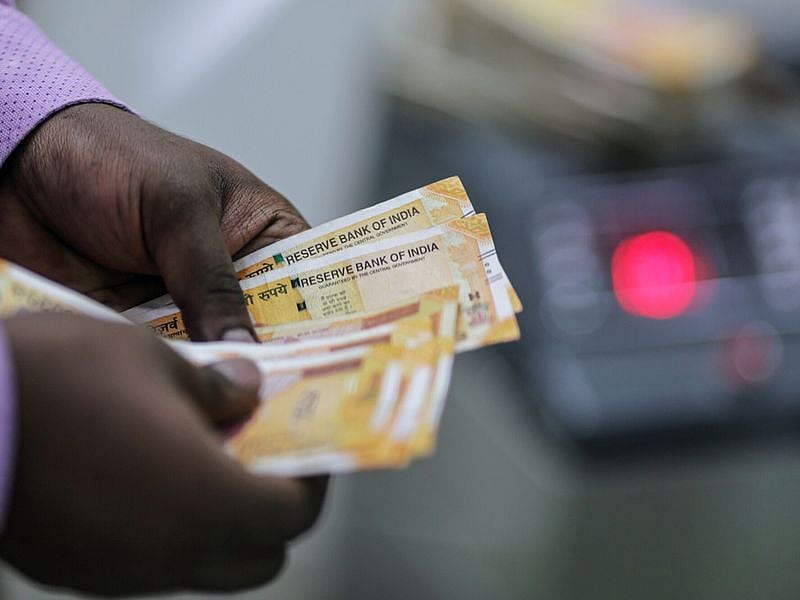
Dubai: The Indian rupee remains pinned near record low levels against the UAE dirham, keeping pressure on Indian expatriates and remitters in the Gulf even after a modest rebound against the US dollar. (Check live forex rates here)
At 8.30 am on Tuesday in Dubai, Dh1 stood at 24.988, reflecting the rupee’s continued weakness against the dirham. The exchange rate has become a growing concern for households sending money home, as well as for those holding rupee-denominated savings.
Against the dollar, the rupee recovered slightly from its all-time low and gained 10 paise to trade at 91.80 in early deals. It had touched a historic low of 92 per dollar on Friday before settling at 91.90. Indian forex and equity markets were shut on Monday for Republic Day.
Forex traders said the move higher reflected short-term dollar weakness. “The rupee recovered marginally as traders rushed to cover broad dollar weakness,” traders said. Here are 7 reasons why rupee is under pressure.
1. Persistent equity outflows are weighing on the currency
One of the biggest drags on the rupee has been sustained foreign selling of Indian equities. Outflows have reached nearly $4 billion so far in January, increasing demand for dollars and removing a key source of support for the local currency. The pressure has built steadily rather than arriving in a single shock, making it harder for the rupee to stabilise.
2. The pace of the fall has shifted market behaviour
The rupee fell 1.18% last week, taking it close to the 92-per-dollar level for the first time. Traders say the speed of the decline matters as much as the level itself. Rapid moves tend to alter expectations, encouraging market participants to position for further weakness and reinforcing negative momentum.
3. Depreciation expectations are driving dollar demand
Rupee weakness has fed expectations of further depreciation, which in turn has amplified dollar buying. Importers, investors and traders tend to accelerate dollar purchases when they expect the currency to weaken further. That behaviour has added to pressure even on days when global conditions appear supportive.
Also Read
Indian rupee at an all-time low, hits 25 vs. UAE dirhamRBI intervention lifts rupee from record lows against dollar, dirham. What does this mean for your remittances?Rupee hits all-time low, boosting value for Indian expats sending money homeTop 5 reasons behind the Indian rupee’s record fall and what it means4. Corporates have stepped up hedging activity
Bankers say companies have increased hedging to protect themselves against further currency losses. Such activity lifts near-term demand for dollars through forwards and other instruments. When multiple firms hedge at the same time, the cumulative effect can weigh heavily on the spot market.
5. Speculative positioning has reinforced the trend
Speculators have added to long-dollar positions, adding another layer of pressure. Momentum-driven trades tend to amplify moves already under way, making rebounds shallow and short-lived. This positioning has helped keep the rupee on the back foot despite intermittent relief from global factors.
6. Gold imports are adding to dollar demand
Traders also point to a pickup in bullion imports. Gold purchases raise dollar requirements through the trade channel, placing additional strain on the currency. This source of pressure operates independently of portfolio flows and can persist even when capital markets stabilise.
7. RBI intervention has smoothed moves, not set a floor
The Reserve Bank of India has intervened regularly to lean against excessive volatility, according to traders. Market participants say the central bank is supplying dollars at various levels instead of defending a specific exchange rate. That approach has limited sharp swings but has not stopped the broader slide.
Dollar weakness offers only partial relief
The rupee is set to find some support from a softer dollar index, which has slipped to near a four-month low. The move has been driven by a rally in the Japanese yen, concerns over a potential US federal shutdown and unease over President Donald Trump’s policymaking. One-month non-deliverable forwards indicate the rupee may open in the 91.68 to 91.72 range.
Policy steps have also provided some comfort. The RBI has announced measures to inject more than $23 billion of liquidity into the banking system, including a $10 billion buy-sell foreign exchange swap. India and the European Union have also wrapped up talks on a landmark trade deal, offering a longer-term positive signal.
Still, traders caution that near-term pressures remain dominant. Until equity flows stabilise and dollar demand eases across hedging and imports, the rupee is likely to stay vulnerable, keeping exchange rates against the UAE dirham under close watch.
- With inputs from Reuters.

Sign up for the Daily Briefing
Get the latest news and updates straight to your inbox
Network Links
GN StoreDownload our app
© Al Nisr Publishing LLC 2026. All rights reserved.