February 1: Big shift in Saudi Arabia's capital markets kicks in — what to expect
Move unveiled by Capital Market Authority (CMA) curbs restrictions on foreign investors
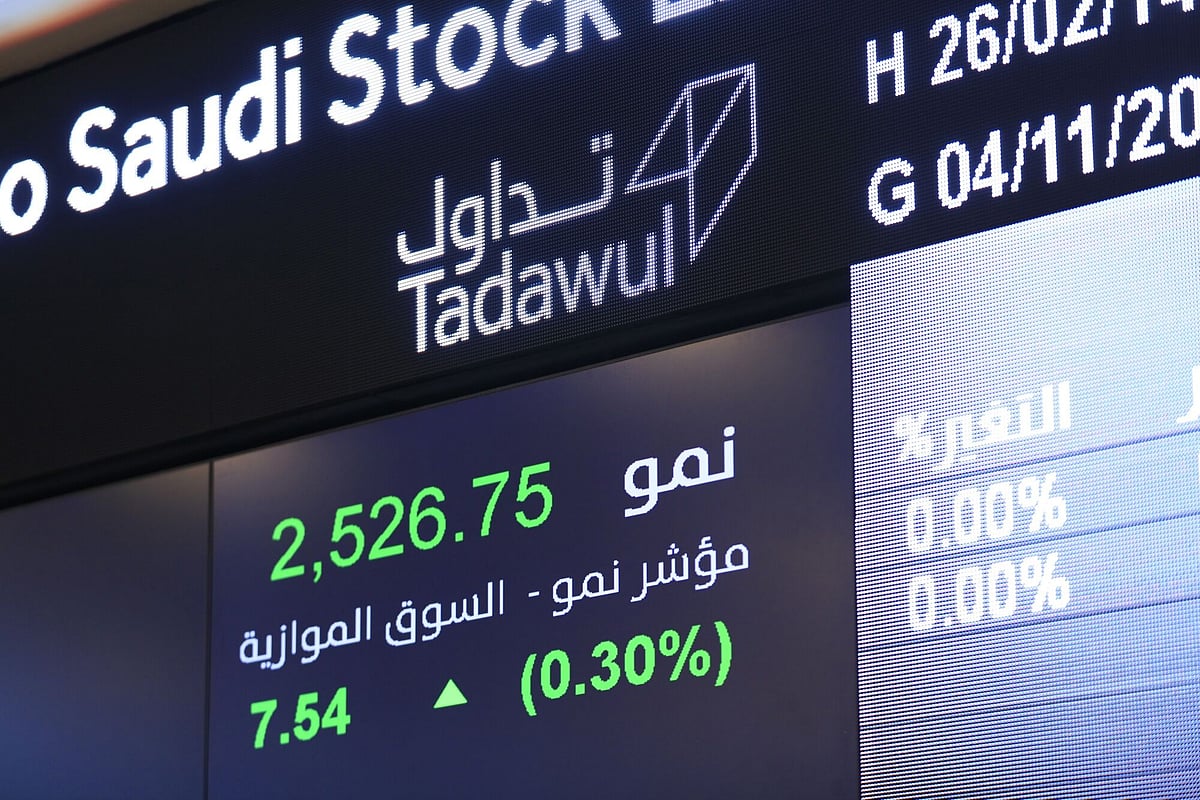
Saudi Arabia is set to transform its financial landscape by fully opening its stock market, known as Tadawul, to all foreign investors.
This move, announced by the Capital Market Authority (CMA), eliminates longstanding restrictions that previously limited direct access to qualified foreign investors (QFIs) only.
When does it kick in?
Saudi Arabia is set to open its financial markets to foreign investors on February 1, 2026.
The policy aligns with Saudi Arabia's "Vision 2030", an ambitions drive to diversify beyond oil.
What's expected?
The move means the Kingdom has opened the door for all overseas investors to trade directly on Tadawul, its main exchange.
In so doing, it removes long-standing restrictions on foreign participation in its stock market.
This liberalisation is poised to inject fresh global capital into the Kingdom's economy.
Historically, Saudi Arabia began easing market access in 2015, allowing QFIs — institutional investors meeting asset thresholds — to trade directly on Tadawul.
However, individual and smaller foreign investors were sidelined, often relying on indirect routes like swap agreements or exchange-traded funds (ETFs).
The new policy scraps these barriers.
This enables non-resident foreigners to trade stocks directly through local brokers without QFI status.
This builds on earlier reforms, such as the October 2025 CMA consultation that proposed ending swap deals and broadening access to boost liquidity.
What are the implications of this move?
The implications are profound.
Tadawul, already the largest stock exchange in the Middle East with a market capitalisation exceeding $2.5 trillion, could see a surge in trading volumes and foreign fund inflows.
The new policy scraps the “Qualified Foreign Investor” (QFI) class for the main market.
This means: any category of foreign investor will be allowed to participate without needing to satisfy prior approval criteria.
From February 1, non-resident investors will be able to trade directly, as per the Saudi Capital Market Authority, the industry watchdog.
Analysts predict this could attract billions in investments, enhancing market depth and valuation multiples.
For instance, similar openings in other emerging markets have led to 20-30% increases in foreign participation within the first year.
How would it help the economy?
In Saudi Arabia, this supports economic diversification, funding mega-projects like NEOM and the Red Sea development.
It also positions the Kingdom as a more attractive hub in global finance, potentially elevating its MSCI Emerging Markets Index weighting and drawing passive funds.
What are the challenges?
Investors must navigate local regulations, including tax implications and brokerage setups.
The CMA emphasises transparency and anti-money laundering compliance to safeguard the market.
Critics note potential volatility from "hot money" flows, but proponents argue the reforms will foster long-term stability.
This landmark date underscores Crown Prince Mohammed bin Salman's reform agenda, reducing oil dependency and integrating Saudi Arabia deeper into the global economy.
The development also signals Riyadh's confidence in its maturing financial ecosystem. For global investors, February 1 opens doors to untapped opportunities in one of the world's fastest-growing markets.
Network Links
GN StoreDownload our app
© Al Nisr Publishing LLC 2026. All rights reserved.