Greece deficit data charges to be probed
Greece's previous government is believed to have inflated figures
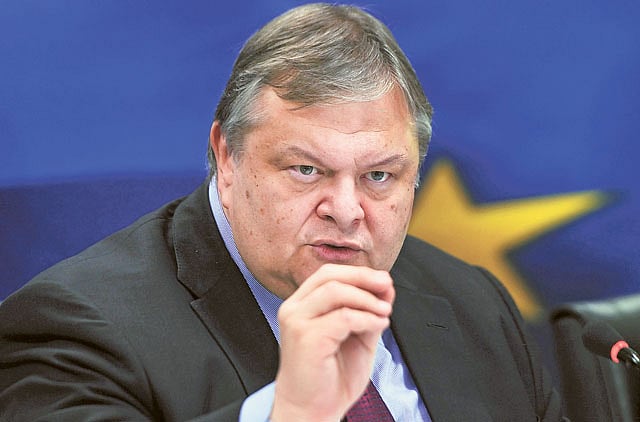
Athens: Greece's parliament voted on Thursday for an inquiry into claims the previous Socialist government inflated 2009 public deficit figures, a step that could put the reliability of the country's data back in the spotlight just days after it won a new bailout.
The upwards revision of Greece's budget deficit in 2009 to 15.4 per cent of gross domestic product (GDP) exposed to its Eurozone partners the scale of its fiscal derailment and fuelled the debt crisis, raising fears over the fate of the euro currency union.
Budgetary surveillance
While Tuesday's agreement in Brussels on a €130 billion (Dh635.31 billion) rescue package averts for now the threat of a chaotic default, it came only after the 17-nation Eurozone sought unprecedented surveillance measures over Greece's budget practices.
In September, a board member of Greece's Elstat statistics body accused its chief Andreas Georgiou of inflating the public deficit data under pressure from the then Socialist government, which was seeking to justify harsh new austerity measures.
While the EU's own Eurostat statistical agency has since said the deficit was calculated in accordance with its standards, the affair has become a political hot potato between the two parties in Greece's ruling coalition.
"Now is the time to clarify things," Finance Minister Evangelos Venizelos told the assembly before his Socialist Pasok party used its majority to launch the investigation with a late-night 168-76 vote in favour.
Charges of complicity
In a saga rich in irony, the conservative New Democracy (ND) party, which before entering the new ruling coalition last November had accused Pasok of complicity in inflating the data, unsuccessfully argued in parliament that the inquiry should be delayed until after elections scheduled for April.
New Democracy lawmakers suspect Pasok is keen to launch the inquiry because it can use its majority in parliament and the investigation committee to secure a favourable outcome — a charge firmly denied by Pasok.
Calls for an inquiry made headlines last year and Pasok might otherwise face an investigation later when it might not have a majority.
Countering argument
"There is no logic to the New Democracy stance," Pasok deputy Theodora Tzakri told Reuters. "They voted for the bailout and now they are not voting for the investigating committee."
The parliamentary inquiry is due to start in coming days and be concluded by the end of March.
Surveys show Pasok and New Democracy have both lost voters thanks to the tough budget cuts agreed in return for the EU/IMF bailout.
But, New Democracy is hopeful it can end up as the leading party after an April election and so occupy the prime minister post currently held by the technocrat, Lucas Papademos.
Georgiou's accusation last year was all the more astonishing to Eurozone partners who until then had to deal with Greece's frequent downwards revisions of its deficit totals.
In stark contrast, the 2009 deficit was projected early that year at 4.4 per cent under the New Democracy government then in power, was briefly revised upwards to six per cent and finally forecast at nine per cent before elections in October that year.
Multiple revisions
After Pasok party's vote victory, the deficit was first revised up to 13.6 per cent and finally 15.4 per cent.
Georgiou, a veteran IMF statistician, already faces a criminal investigation over the allegations but no charges have been pressed against him. He denies any wrongdoing and has retained his post.
Sign up for the Daily Briefing
Get the latest news and updates straight to your inbox
Network Links
GN StoreDownload our app
© Al Nisr Publishing LLC 2026. All rights reserved.