What is OPEC, OPEC+? Everything you must know about the world's most powerful oil group
From petrol prices to global power — here's why OPEC still shapes your world
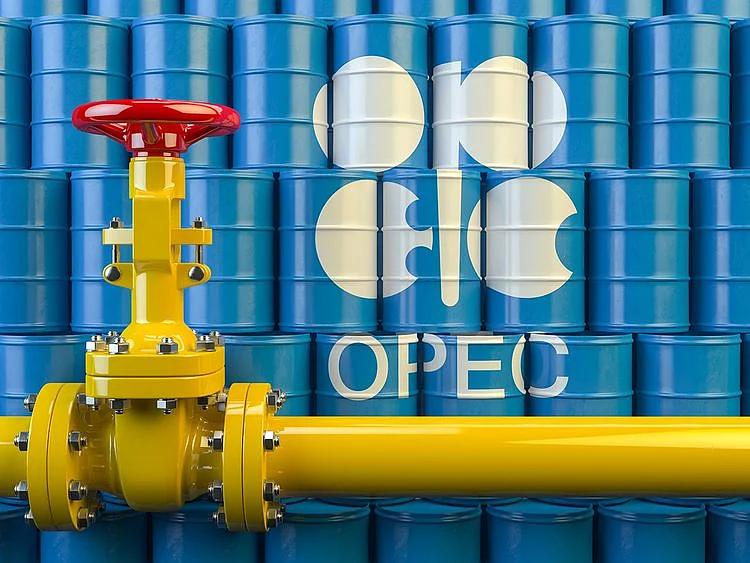
Dubai: The United Arab Emirates (UAE) has been part of the global oil conversation for decades through its membership in the Organisation of the Petroleum Exporting Countries, one of the most influential groups in the energy world.
With the UAE now announcing it will exit both OPEC and the wider OPEC+ framework, attention has turned to what these organisations actually do — and the role the UAE has played in them over the years.
What is OPEC?
OPEC is a permanent intergovernmental organisation that brings together some of the world’s leading oil-producing nations. It was founded on 14 September 1960 in Baghdad, Iraq, by five countries: Iran, Iraq, Kuwait, Saudi Arabia, and Venezuela.
Its headquarters moved from Geneva, Switzerland, to Vienna, Austria, in 1965, where they remain today.
Why was it formed?
At the time of its founding, global oil markets were dominated by a group of powerful Western oil companies, known informally as the "Seven Sisters," which controlled production and set prices.
OPEC was created so that oil-producing nations could coordinate their petroleum policies, secure stable prices for producers, ensure a reliable supply for consumers, and assert sovereignty over their natural resources.
What does it do?
OPEC's core mission, as stated by the organisation itself, is to "coordinate and unify petroleum policies among Member Countries, in order to secure fair and stable prices for petroleum producers; an efficient, economic and regular supply of petroleum to consuming nations; and a fair return on capital to those investing in the industry."
In practice, this means its member states meet regularly and agree on how much oil each country will produce. Produce less, and global supply tightens — prices rise. Produce more, and supply grows — prices fall. It is one of the most direct levers any group of nations has ever had over the global economy.
The organisation has lived through market crashes, geopolitical upheavals, and a global pandemic.
When Covid-19 sent oil demand into freefall in 2020, OPEC coordinated what it described as "the largest and longest voluntary production adjustments in the oil market’s history" — a move credited with stabilising the global energy sector at one of its most precarious moments.
What is the difference between OPEC and OPEC+?
OPEC is a formal international organisation with a charter, a secretariat in Vienna, and official member states.
OPEC+ is a broader alliance formed in December 2016, when OPEC invited ten additional non-member oil-producing countries — including Russia — to coordinate production alongside it. This arrangement was formalised through the Declaration of Cooperation. In 2019, a Charter of Cooperation was established as a longer-term framework for the alliance.
OPEC is the formal body. OPEC+ is the wider coalition that includes OPEC members plus additional producers who are not formal OPEC members.
Who are the members?
OPEC currently has 12 member countries: Saudi Arabia, Iran, Iraq, Kuwait, Venezuela, Libya, Algeria, Nigeria, Gabon, Equatorial Guinea, Congo, and the UAE — though the UAE’s membership ends on 1 May 2026.
OPEC+ includes these countries, as well as major non-member producers such as Russia, Kazakhstan, and Azerbaijan.
Who left, and why?
OPEC's membership has shifted significantly over the decades. Here is a quick guide to the notable exits:
Qatar joined in 1961 but terminated its membership in January 2019, saying it wanted to focus on natural gas production rather than oil.
Indonesia joined in 1962, suspended its membership in 2009 amid falling production, briefly returned in 2016, then suspended it again in late 2016 as it had become a net oil importer.
Ecuador joined in 1973, suspended its membership in 1992, rejoined in 2007, then withdrew permanently effective 1 January 2020, citing the financial burden of membership commitments.
Gabon joined in 1975, left in 1995, then returned in 2016.
Angola joined in 2007 and withdrew effective January 1, 2024, after clashing with the group over production quotas it felt were unfair to its growing output ambitions.
And now, most significantly: the UAE, which joined in 1967 through the Emirate of Abu Dhabi. On April 28, Abu Dhabi announced it would exit both OPEC and the OPEC+ alliance effective May 1 this year.
Sign up for the Daily Briefing
Get the latest news and updates straight to your inbox
Network Links
GN StoreDownload our app
© Al Nisr Publishing LLC 2026. All rights reserved.