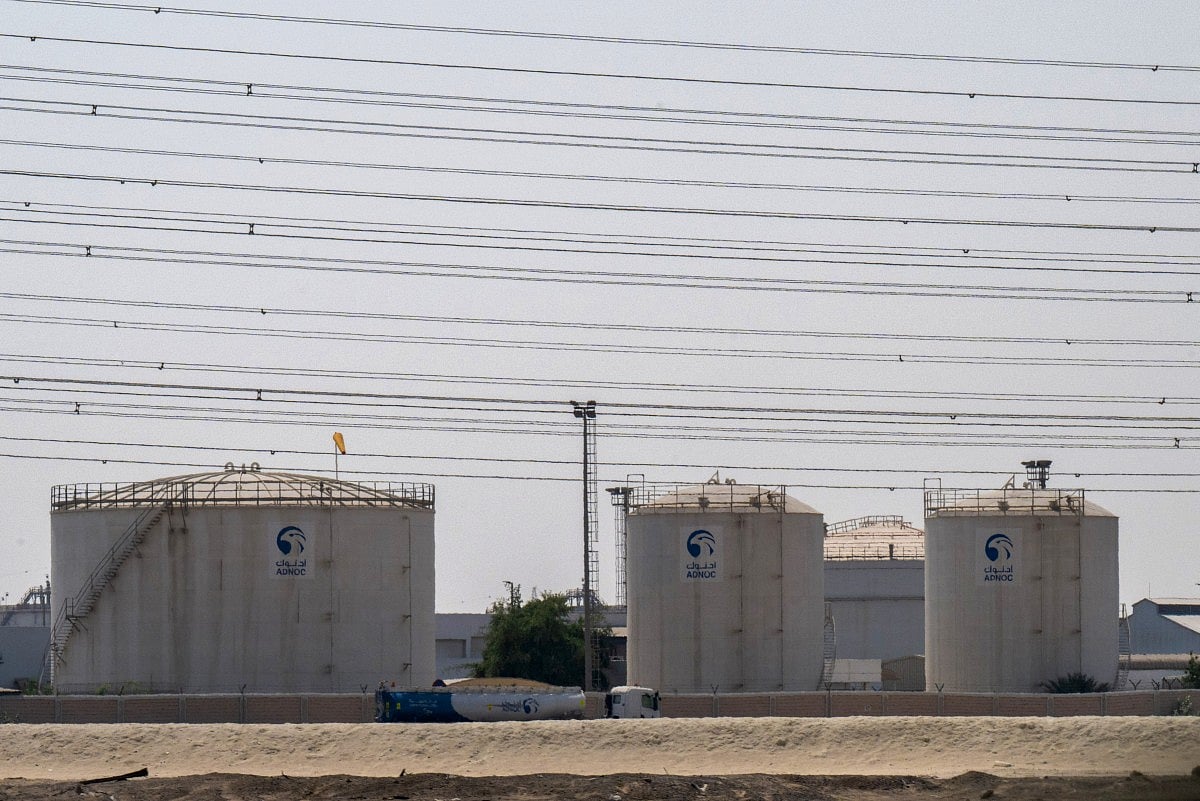
Dubai: The UAE is restoring crude oil exports to near-record levels following disruption caused by the recent regional conflict, with alternative export routes and infrastructure helping maintain supplies to rest of the world.
Get updated faster and for FREE: Download the Gulf News app now - simply click here.
Preliminary tanker-tracking data from analytics firms Kpler and Vortexa showed UAE crude and condensate exports averaged about 3.7 million barrels per day in June, exceeding the 3.1 million to 3.3 million barrels per day typically exported before the conflict.
Separate Bloomberg tanker-tracking data estimated exports briefly exceeded 3.9 million barrels per day, among the highest levels recorded since 2017.
The recovery highlights the resilience of the UAE's energy infrastructure, with the Abu Dhabi Crude Oil Pipeline enabling exports from the Port of Fujairah on the country's east coast, reducing reliance on the Strait of Hormuz during periods of disruptions.
Pre-conflict export levels
Analysts at Kpler and Vortexa told Reuters the rebound was driven by the resumption of shipping through the Strait of Hormuz, higher UAE crude production and exports, and the release of stored inventories, lifting shipments above pre-conflict levels.
"The rise can be attributed to multiple factors, including a resumption in flows via the Strait of Hormuz, helping to free trapped vessels," said Kpler senior oil analyst Johannes Rauball.
"At the same time, we have been observing a ramp up in supply from the UAE, which we estimate is closing in on pre-war levels." Rauball added that the UAE has also been drawing down part of its commercial inventories, helping keep export volumes elevated.
Vortexa senior oil analyst Emma Li said Abu Dhabi crude loadings averaged around 4 million barrels per day between June 1 and June 29, compared with about 3.4 million barrels per day before the conflict. Exports climbed to roughly 3.7 million barrels per day from around 3.3 million barrels per day during the first two months of the year.
Infrastructure support
The recovery follows the use of multiple export routes and storage facilities developed over recent years.
According to the International Energy Agency (IEA), UAE oil exports recovered to almost 85 per cent of pre-conflict levels in early June after initially falling sharply during the outbreak of hostilities.
The IEA said the UAE relied on the Abu Dhabi Crude Oil Pipeline linking Abu Dhabi with Fujairah, together with the 42-million-barrel Mandous underground storage facility near Fujairah, to maintain export flows while shipping through the Strait of Hormuz remained disrupted.
Demand beyond Asia
Asia remains the UAE's largest export market, although trading activity has expanded into several other regions.
A source familiar with trading activity told Reuters that demand has increased from buyers west of the Suez Canal, including refiners in Africa, the US West Coast, northwest Europe and the Mediterranean. The trade sources also said ADNOC has supplied crude cargoes to Nigeria's Dangote refinery and Turkey's Tupras refinery.
ADNOC has also continued marketing additional cargoes through a series of spot crude tenders, offering grades including Upper Zakum, Umm Lulu and Das crude.
Regional oil flows improve
The UAE's export recovery forms part of a broader improvement in Gulf oil shipments following the easing of regional tensions.
Vortexa estimates crude loadings from Gulf producers excluding Iran rose by about 65 per cent month-on-month in June to around 7 million barrels per day, although volumes remain below levels recorded before the conflict.
The International Energy Agency said continued exports from the UAE, combined with record US crude production and softer-than-expected demand growth from China, helped ease concerns over prolonged supply shortages.
Easing oil prices
Oil prices have since retreated close to pre-conflict levels following the ceasefire agreement between the US and Iran and the gradual normalisation of shipping through the Strait of Hormuz.
Goldman Sachs Group Inc. said the global oil market will swing back into a glut as the impact of the conflict fades and traffic through Hormuz recovers.
The UAE's export performance comes after the country ended its membership of OPEC on May 1, allowing it to market its crude independently while continuing to invest in expanding production capacity and export infrastructure.
Sign up for the Daily Briefing
Get the latest news and updates straight to your inbox
Network Links
GN StoreDownload our app
© Al Nisr Publishing LLC 2026. All rights reserved.