This handout satellite image taken by 2026 Planet Labs PBC shows the oil infrastructure at Saudi Arabia's western Red Sea port of Yanbu on March 4, 2026.
Saudi oil lifeline reopens: Aramco restarts East-West pipeline bypassing Hormuz
East-West crude lifeline returns, offering partial buffer to Hormuz risks
Last updated:
3 MIN READ
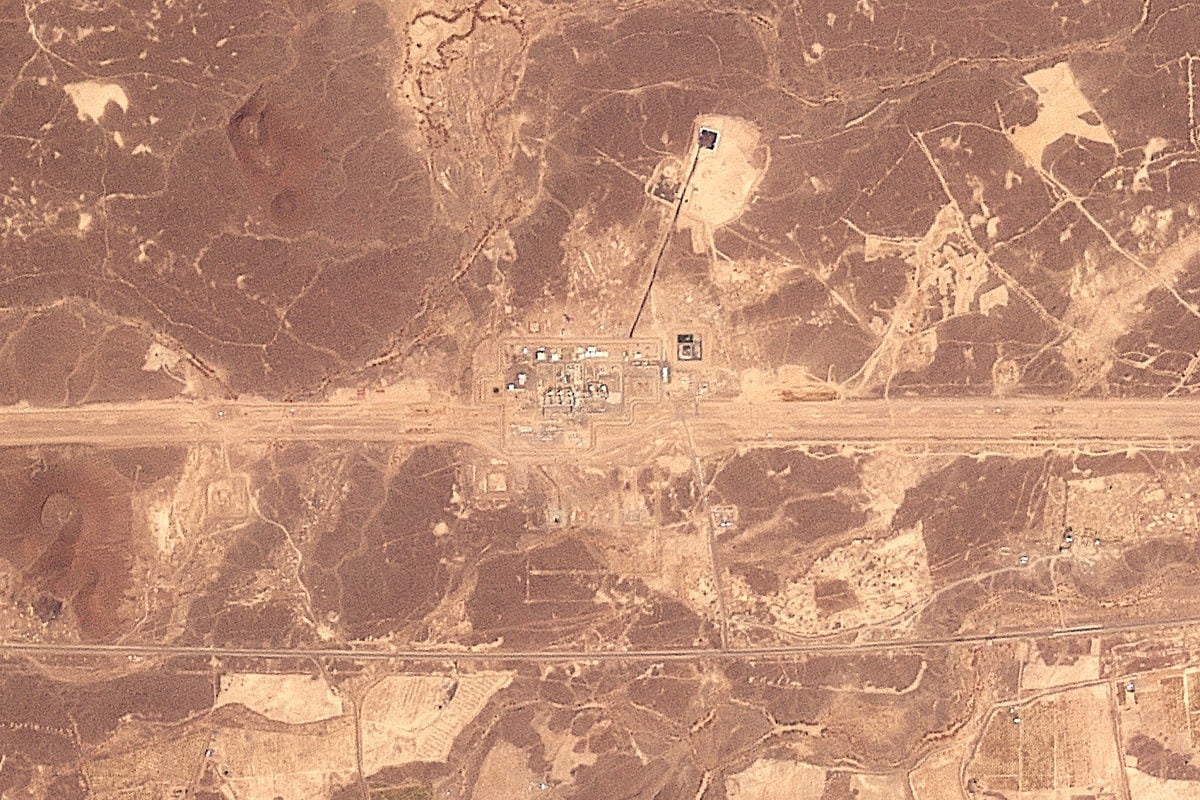
This handout satellite image taken by Planet Labs PBC on September 6, 2026 and made available on September 11, 2026 shows a general view of an infrastructure site southeast of Medina along the general route of Saudi Arabia's East-West pipeline (also known as "Petroline").
AFP
Saudi Arabia has restarted flows through its crucial East-West crude oil pipeline, restoring part of the kingdom’s ability to export oil without relying on the Strait of Hormuz.
The reopening of the vital "Petroline" has briefly pushed oil prices lower and eased concerns over global supply disruptions.
The pipeline, which can carry up to 4 million barrels per day (bpd) from oil fields in eastern Saudi Arabia to the Red Sea port of Yanbu, is operating at reduced rates while state oil giant Aramco works to restore full capacity, Reuters reported, citing three sources briefed on the matter.
A complete return to normal operations could take "weeks".
On Tuesday, one cargo bound for China was scheduled to load from Red Sea port of Yanbu, the agencybreported.
Get it: Fast, verified news for FREE ... download the Gulf News app — simply click here
Exports from Yanbu could help to drive crude oil sales on global oil markets.
Why this matters
The restart marks an important development in the energy crisis triggered by attacks on Saudi oil infrastructure earlier this month.
The East-West pipeline Saudi Arabia’s main alternative export route when shipping through the Strait of Hormuz becomes risky. The system allows crude to bypass the narrow waterway between Iran and Oman.
Before the recent disruption, the pipeline had been moving around 4 million bpd to Yanbu on the Red Sea coast.
Its shutdown forced Saudi Arabia to redirect more exports back toward the Gulf, relying on AIS-off tankers sailing through Hormuz and conducting ship-to-ship (STS) transfers near Oman and Fujairah.
Traders estimated that tens of millions of barrels were rerouted through this STS runs.
Oil prices fall — then recover
The resumption of pipeline operations immediately affected markets.
Brent crude fell by more than $2 per barrel during Tuesday trading, touching a two-week low near $98, while US West Texas Intermediate (WTI) slipped below $92 before recovering part of the losses later in the session.
The price drop also coincided with signals from Tehran that Iran could support reopening the Strait of Hormuz within 7 days if US military pressure and the blockade of Iranian ports were eased.
Iranian officials have outlined conditions including reduced US military operations and changes to maritime restrictions.
Europe could see relief
The East-West pipeline is not only important for Asia.
Saudi crude delivered to Yanbu can move north through Egypt’s SUMED pipeline, which links the Red Sea to the Mediterranean and allows oil to reach European markets without passing through the Suez Canal.
When the Saudi pipeline was shut, Aramco reportedly informed some European customers that October allocations would be cut or suspended, tightening supplies to the region.
Reuters reported that traders are already repositioning tankers near Port Said and Sidi Kerir in Egypt in anticipation of renewed Saudi flows through the SUMED route.
By the numbers
4 million bpd — Capacity of Saudi Arabia’s East-West pipeline
1,200 km — Approximate length of the pipeline across Saudi Arabia
17 vessels — Visible commodity-ship transits through Hormuz over one recent weekend
125 vessels/day — Estimated pre-war Hormuz traffic
20% — Share of global oil trade that normally passes through Hormuz
$89.86 — WTI crude, down 0.73% on Wednesday (as of 12.23pm GST), as news of the pipeline restart emerged.
Yanbu — Red Sea export terminal linked to the pipeline
Sign up for the Daily Briefing
Get the latest news and updates straight to your inbox
Network Links
GN StoreAbout Gulf NewsTerms & ConditionsReach by GNSitemapContact usPrivacy PolicyGN FocusHave your sayWork with usAdvertise with usGulf News epaperPrinting Services
Download our app
© Al Nisr Publishing LLC 2026. All rights reserved.