Saudi oil pipeline crippled for weeks as Houthis seize more Red Sea islands
Damage threatens a route capable of carrying 7 million barrels of Saudi crude a day
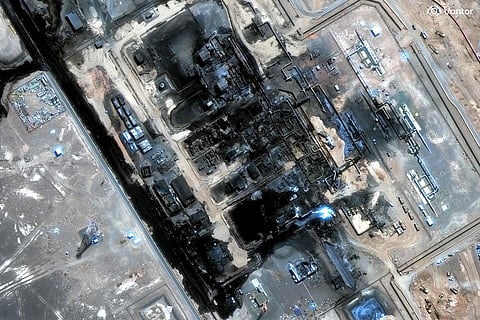
Dubai: A crucial Saudi oil pipeline damaged in an attack last week is expected to remain largely out of service for several weeks, dealing a fresh blow to the kingdom’s ability to move crude to its Red Sea ports as Houthi militants expand their control over strategic islands nearby.
Repairs to Saudi Arabia’s 1,200-kilometre East-West Pipeline could take three to five weeks, including work at a major pumping facility, two regional officials briefed on the matter told The Associated Press on Monday.
One official said the pipeline could operate partially while repairs are carried out.
The pipeline, which can transport up to 7 million barrels of oil a day, carries crude from Saudi Arabia’s oil-producing east across the kingdom to Red Sea export facilities in the west.
It was shut down on Thursday after an attack that Saudi Arabia blamed on drones launched by Iranian-backed militias in Iraq, AP reported.
Saudi Aramco, which operates the pipeline, had not immediately responded to AP’s request for comment on the repair timeline.
Saudi oil route under pressure
7 million barrels/day Maximum capacity of the East-West Pipeline
1,200km Length of the pipeline carrying crude across Saudi Arabia to the Red Sea
3–5 weeks Estimated time needed to repair the latest damage
Thursday Pipeline shut after an attack blamed by Saudi Arabia on Iranian-backed Iraqi militias
Greater & Lesser Hanish Strategic Red Sea islands now captured by the Houthis
Mocha & Mayun Key locations seized by the rebels last week
32km Approximate distance separating the Houthi advance from the US military base in Djibouti
86,000 People displaced by Yemen’s renewed fighting, according to the IOM
Houthis capture more strategic islands
The pipeline setback comes as Iran-backed Houthi forces make further gains around another crucial oil-shipping corridor.
The rebels have captured Greater Hanish and Lesser Hanish, two strategically located islands about 160km north of the Bab Al Mandab Strait, government and Houthi officials told AP.
Hundreds of forces aligned with Yemen’s internationally recognised government withdrew from the archipelago before Houthi fighters deployed there, according to the report.
The latest gains follow the Houthis’ seizure last week of Mocha, a key Red Sea port, and Mayun, also known as Perim, the island sitting inside the Bab Al Mandab Strait.
The advance has significantly strengthened the Houthis’ position along shipping routes linking the Red Sea with the Gulf of Aden and the Indian Ocean.
Their gains also put Houthi-controlled territory about 32km from the US military base in Djibouti, across the strait, AP reported.
Fresh attacks on Saudi Arabia
Meanwhile, the Houthis launched another barrage of missiles and drones against Saudi military targets on Monday, AFP reported.
The group said it targeted fighter-jet hangars, radar installations, runways and ammunition depots at King Khalid Air Base in Khamis Mushait.
Saudi Civil Defence issued alerts in Khamis Mushait and neighbouring Abha, while one resident told AFP that “intense blasts” had been heard.
Houthi military spokesman Yahya Saree said the attacks were retaliation for Saudi air strikes in Yemen and claimed Riyadh had carried out more than 300 strikes in five days. There was no immediate independent confirmation of that figure.
Saudi-backed Yemeni forces said on Sunday that they had recaptured positions in Taiz province and killed at least 10 Houthi fighters, according to Yemen’s official Saba news agency.
Iran denies directing Houthis
Iran, which has long supported the Houthis, denied on Monday that it was directing the renewed fighting.
“Iran does not interfere in Yemeni affairs,” Iranian Foreign Ministry spokesman Esmaeil Baqaei said, according to AFP, describing the Houthis as independent actors who make decisions based on their own interests.
The renewed conflict is also exacting a growing humanitarian toll.
The International Organisation for Migration said on Sunday that 86,000 people had been forced from their homes, AFP reported, with more than 2,000 crossing the Bab Al Mandab to Djibouti.
For Saudi Arabia, however, the immediate challenge is increasingly about keeping its crude-export infrastructure functioning. The damage to the East-West Pipeline and the Houthis’ expanding position along the Red Sea have now placed pressure on both the land route carrying Saudi crude west and the maritime route that takes it onwards to global markets.


