Philippines shifts focus to EVs — scraps multi-year, multi-billion incentives for Toyota Vios, Mitsubishi Mirage
Long-running CARS scheme now concluded, paves the way for new EV-oriented incentives
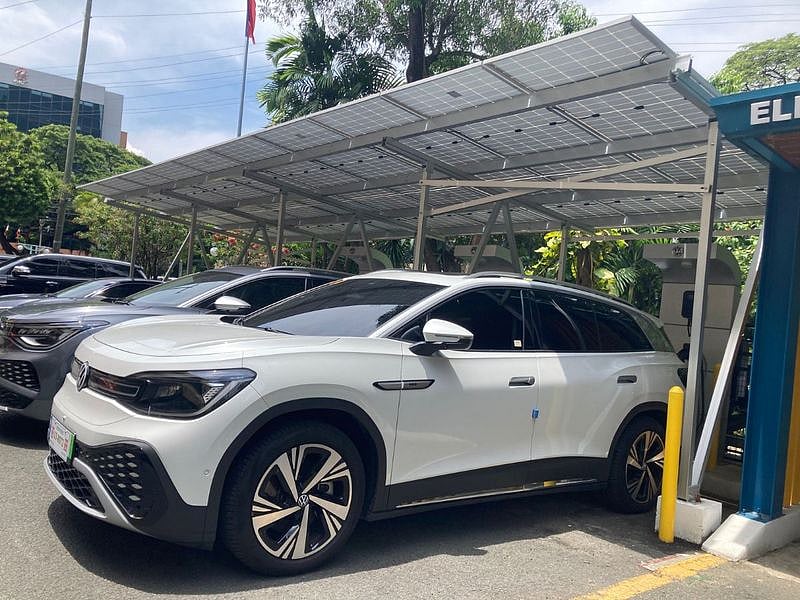
Manila: Amid the global price shock due to the Middle East war, the Philippines has now cancelled the multi-year, billion-peso incentives for automakers like Toyota and Mitsubishi aimed at encouraging them to "develop" local manufacturing capacity based on internal combustion engines (ICE).
In a major policy shift, a senior government official announced a full-on switch to electric vehicle (EV) development, realigning government incentives to boost renewable transportation.
₱27-billion: Total subsidies/incentives from Filipino taxpayers under the government's Comprehensive Automotive Resurgence Strategy (CARS) since launch in 2015 for companies including Toyota (for the Vios model) and Mitsubishi (for Mirage).
The move was announced by the Department of Trade and Industry (DTI) on Thursday (April 9, 2026).
CARS/RACE dropped
Trade Secretary Ma. Cristina A. Roque confirmed to local media that the government is now dropping the "Comprehensive Automotive Resurgence Strategy" (CARS) scheme and successor support programmes like the Revitalising the Automotive Industry for Competitiveness Enhancement (RACE) programme.
The CARS program was launched under former policy frameworks to stimulate local automotive production, supporting vehicle and parts manufacturing. It was widely seen as an expensive bid revive a dying industry, and limiting the country's competitive edge as neighbours like Vietnam and major economies like China, India and Europe are going full blast on EV development.
Fast-tracking EV development
To draw EV makers to invest in the Philippines, the government under President Ferdinand BBM Marcos Jr is fast-tracking the Electric Vehicle Incentive Strategy (EVIS), via "fiscal" and "non-fiscal" benefits.
Secretary Roque said the shift reflects the "conclusion" of the CARS programme and a broader policy decision to incentivize the manufacturing of EVs amid global shifts in automotive demand and rising fuel price pressures.
“Since the CARS program has already concluded, we shifted to EVIS instead to further encourage the transition toward electric vehicles,” she told reporters.
Industry stakeholders had earlier welcomed funding assurances for CARS amid concerns over automotive competitiveness, but the government’s latest move underscores a strategic pivot toward electrified mobility as the centerpiece of future automotive policy.
Network Links
GN StoreDownload our app
© Al Nisr Publishing LLC 2026. All rights reserved.