Oil tops $107 as Saudi pipeline outage deepens Hormuz supply fears
WTI outpaces Brent as traders seek alternatives amid Middle East tensions
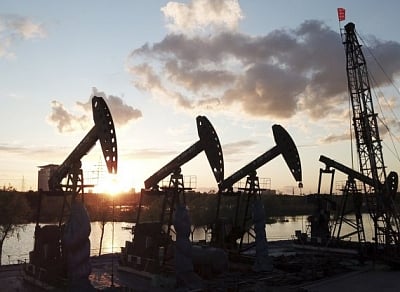
Oil prices remained above $100 a barrel on Wednesday (Sept. 16) as traders weighed tightening physical supplies, disruptions to Saudi export routes and uncertainty over when normal shipping through the Strait of Hormuz can resume.
Brent crude was around $107.84 a barrel and US West Texas Intermediate at $104.89 in Asian trading at 9:47 am Tokyo time on Sept. 16, according to the OilPrice figures. Both benchmarks had reached their highest settlement levels since May 19.
Get it: Fast, verified news for FREE ... download the Gulf News app — simply click here
The latest rally has been driven by more than the risk of a prolonged Hormuz disruption. Saudi Arabia has halted oil loadings at its Yanbu port after damage to the East-West pipeline, removing an important route for moving crude to the Red Sea without using Hormuz.
Saudi Arabia has been cancelling some crude cargoes to European customers as the disruption continues.
The Strait of Hormuz remains the biggest source of uncertainty. Only four commodity vessels crossed the waterway on Monday, compared with a pre-war average of about 125 daily transits, according to Kpler data cited by Reuters.
Double supply risk
The strait normally carries roughly one-fifth of global crude and LNG supplies.
The market is therefore facing a double supply risk: Hormuz is severely constrained while an alternative Saudi export route has also been damaged. Analysts say this is making it harder for Gulf producers to compensate for lost or delayed shipments.
The squeeze comes despite a large increase in US inventories. U.S. crude stocks rose 7.1 million barrels in the week ended Sept. 11, according to the American Petroleum Institute, while gasoline inventories increased 1.5 million barrels and distillates rose 1.6 million barrels. Reuters reported that the unexpected U.S. crude build briefly pressured prices on Wednesday.
But industry analysts caution that U.S. inventory gains do not necessarily ease the global physical-supply shortage. Oil is globally traded, and the immediate problem is the loss of reliable Gulf export capacity and shipping routes.
The International Energy Agency has been closely monitoring the disruption, noting that Middle East supply losses have reached extraordinary levels and that the crisis has materially altered global oil flows.
Why Murban is different
Murban crude, the flagship UAE grade, is a key reference for Asian refiners and is priced differently from Brent and WTI because it reflects a specific physical crude stream rather than a global futures benchmark.
The reported $123.76 a barrel price therefore should not be directly compared with Brent or WTI as if they were identical contracts.
The divergence also illustrates how the war is creating different prices for different grades and delivery locations. Physical crude available in Asia can command a substantial premium when buyers compete for limited barrels and shipping capacity.
What the market is watching now
Hormuz: Whether commercial tanker traffic can return toward normal levels remains the biggest price catalyst.
Saudi Arabia: The duration of the East-West pipeline disruption and the impact on Yanbu exports are becoming increasingly important.
US inventories: The latest crude build provides some cushion for the U.S. market but does not solve the international supply problem.
Asian refiners: Buyers are competing for alternative crude supplies as Gulf shipments become less predictable.
Risk premium: Traders are increasingly pricing the possibility that supply disruptions could persist rather than being resolved quickly. Reuters reported that Brent and WTI had already surged above $100 as tanker attacks intensified.
What's next
The oil market is no longer watching only whether Hormuz reopens. It is also watching how much Gulf oil can physically reach world markets even if the strait begins to reopen, given damage to alternative infrastructure, reduced tanker traffic and continuing security risks.
Sign up for the Daily Briefing
Get the latest news and updates straight to your inbox
Network Links
GN StoreDownload our app
© Al Nisr Publishing LLC 2026. All rights reserved.