As of 8.04am Tuesday (June 2, 2026) in Tokyo.
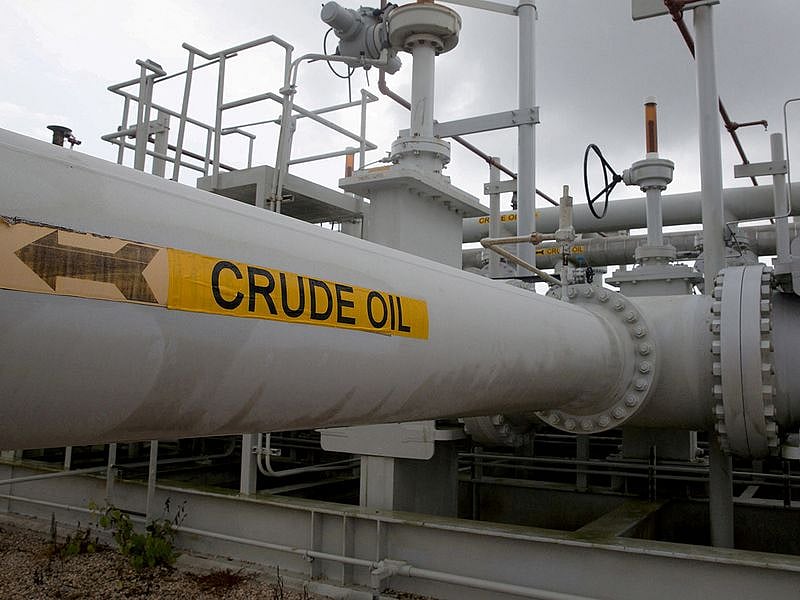
Crude oil futures held near multi-month highs on Tuesday (June 2, 2026), with US benchmark WTI trading around $92 per barrel and international Brent near $95, as lingering fallout from the US-Israel-Iran conflict continues to disrupt critical Middle East energy flows.
The elevated prices reflect persistent supply fears more than three months into regional hostilities that effectively closed the Strait of Hormuz — the narrow chokepoint carrying roughly one-fifth of global seaborne oil — and triggered production shut-ins across multiple Gulf nations.
Get updated faster and for FREE: Download the Gulf News app now - simply click here.
Price spike drivers
Oil markets entered 2026 expecting a potential surplus, with forecasts from banks like J.P. Morgan pointing to softer fundamentals and Brent possibly averaging around $60 later in the year amid ample non-OPEC supply and moderating demand.
Those expectations collapsed in March as escalation between the US, Israel and Iran led to attacks on energy infrastructure, halted tanker traffic through Hormuz.
The conflict forced major output curtailments in countries including Iraq, Saudi Arabia, Kuwait, the UAE and others — totaling an estimated 10.5 million barrels per day at peak disruption, as per the US Energy Information Administration (EIA).
The International Energy Agency (IEA) and US Energy Information Administration have documented record inventory draws as a result.
Restoration to 'take months'
Even with tentative ceasefires and diplomatic efforts, full reopening of the strait and restoration of shut-in fields could take months due to damage from strikes, mines and infrastructure repairs.
Brent averaged over $117 in April at the height of the panic, briefly touching $126, before easing on ceasefire hopes.
Current levels around $90-$95 still represent a sharp premium to pre-conflict expectations and are feeding through to higher gasoline, heating oil and broader inflation pressures worldwide.
While US and Venezuelan production remains robust, global trading means these barrels compete in the same tight international market.
Venezuela's oil output and export rebound — the highest in more than seven years (at around 1.1 million barrels per day (bpd), while crude exports have surged to 1.23 million bpd) — follows the lifting of US sanctions and a rush of returning international oil.
US Strategic Petroleum Reserve releases have also provided limited relief, and analysts like those at Goldman Sachs suggest prices could stay elevated near $90 into year-end even with partial Hormuz reopening.
US-Iran negotiations
Markets are watching US-Iran negotiations closely, along with any Israeli operations that could widen the conflict.
A sustained reopening of Hormuz and restart of Gulf production would likely ease prices toward the $70-$80 range later in 2026, according to EIA forecasts, but delays or fresh escalations could push benchmarks higher again.
For now, the message from traders and analysts is caution: The oil market has tightened dramatically, and the path back to surplus remains bumpy.
Unless a major breakthrough happens, consumers, drivers and importers are expected to continue to feel the pinch at the pump and in higher costs rippling through the economy.
Sign up for the Daily Briefing
Get the latest news and updates straight to your inbox
Network Links
GN StoreAbout Gulf NewsTerms & ConditionsReach by GNSitemapContact usPrivacy PolicyGN FocusHave your sayWork with usAdvertise with usGulf News epaperPrinting Services
Download our app
© Al Nisr Publishing LLC 2026. All rights reserved.