Brent oil price surges to $92.62, WTI hits $90.72 amid Iran war
Iran tensions disrupt oil transit: analysts see $100 oil is fast approaching
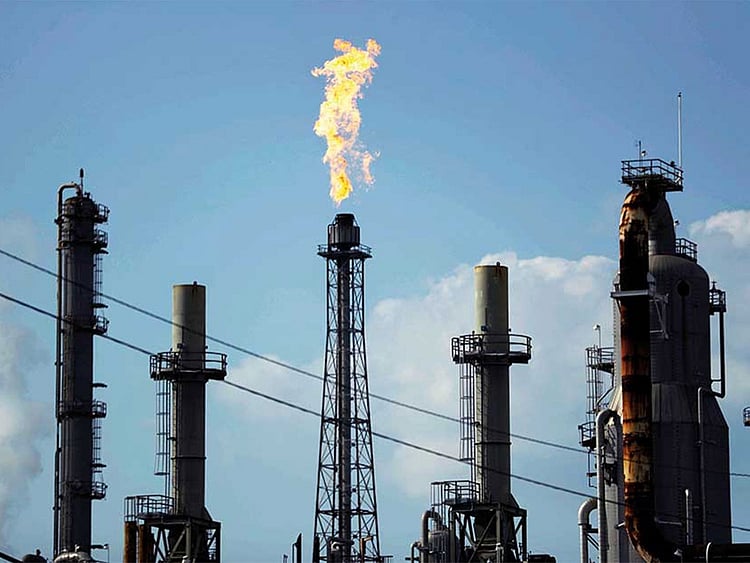
Oil markets are in turmoil as prices spiked up to 42% since January driven by escalating conflict in the Middle East.
Live market data as of 8.35am GMT on Saturday (March 7), West Texas Intermediate (WTI) crude climbed to $92.62, up $2.18 from $92.62 from $90.72 on Friday, which was up $7.53 or 9.30% from Thursday.
Murban Crude topped $102.20, having already risen by $6.04 or 6.39% on Friday, while Natural Gas hit $3.116, up 0.16 from $3.091.
In January 2026, average Brent crude price was about $64–$67 per barrel, with some daily trading levels stood between $65–$71 per barrel in late January.
Total increase
Using Brent as the global benchmark (January 2026: ~$65/bbl vs early March 2026: ~$92/bbl), the increase of about $27 per barrel shows a 40–42% increase.
US petrol prices surged to their highest under Trump as Iran war roiled the global oil market.
Supply concerns
These jumps reflect intensifying concerns over global supply disruptions.
Only nine oil tankers, cargo and container ships, some of which at times concealed their position, have been recorded crossing the Strait of Hormuz since Monday, as per MarineTraffic data analysed by AFP.
After three ships were attacked on Sunday, at least three tankers and a vessel carrying gas have crossed this chokepoint, a key shipping lane virtually shut by the war in the Middle East.
Nearly 20 percent of the world's crude oil and about 20 percent of liquefied natural gas (LNG) usually transit through the Strait of Hormuz.
Globally, sustained highs could fuel inflation (e.g., U.S. gas at $3.15/gallon already), erode consumer spending, and risk recession by raising costs for transport, manufacturing, and heating.
Analysts say a prolonged Hormuz closure might push Brent up to $100-108/barrel, potentially slowing growth.
The way out?
Swift conflict resolution via talks, US Navy escorts for tankers (as Trump ordered March 3), subsidised insurance, and ramped-up non-OPEC production or strategic reserves releases to stabilise supplies.
Short-term volatility persists, but diversification could mitigate long-term pain.
Sign up for the Daily Briefing
Get the latest news and updates straight to your inbox
Network Links
GN StoreDownload our app
© Al Nisr Publishing LLC 2026. All rights reserved.