Fossil fuel rates as of 10.23am Tokyo time, May 4, 2026.
Oil markets show erratic volatility: WTI slides to $101 as Murban crashes 4% — but some crudes are surging double digits
Benchmarks diverge as WTI, Murban sink while Oman and regional crudes soar
Last updated:
2 MIN READ
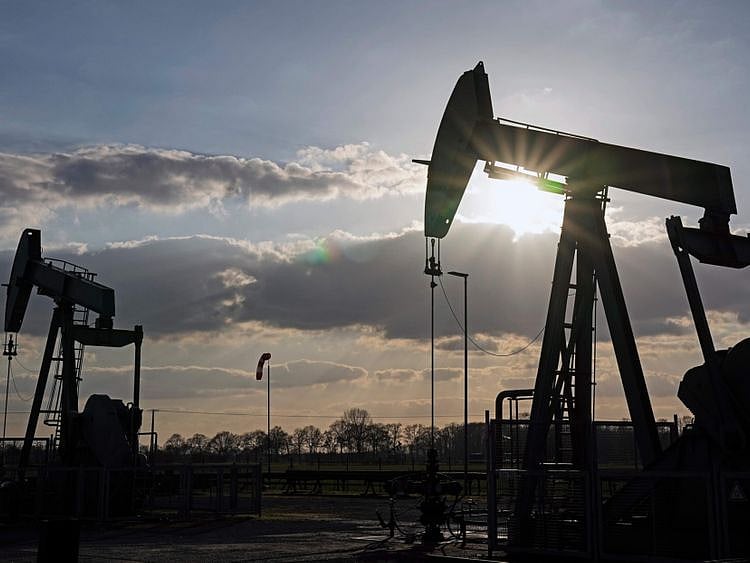
Elevated energy prices act as a double-edged sword: they stifle global growth by keeping inflation stubbornly high, even as they provide a windfall for oil-producing nations.
AP
Oil prices showed mixed but volatile signals on May 4, 2026, amid reports a crude tanker has been attacked by unknown projectiles in the Gulf.
Global energy markets are navigating extreme uncertainty fueled by the persistent blockade of the Strait of Hormuz, which has effectively stranded nearly 20 million barrels per day of crude and LNG.
As of 10.23am on Monday (May 4, 2026) Brent Crude prices hovered around $107, a slight 0.40% drop from the last trading day, amid fears of a historic supply shock.
Mixed reaction
Market reactions remain mixed as nations pivot to desperate mitigation strategies, such as rerouting via Saudi Arabia's East-West pipeline or exploring new land routes through Syria.
Despite these shifts, Asian refineries — heavily reliant on Gulf imports — continue to slash throughput, exacerbating global inflationary pressures and prompting major international institutions to slash 2026 growth forecasts.
Major Benchmarks:
WTI (US): $101.26 (-0.67%)
Brent (Global): $107.74 (-0.40%)
Murban (UAE): $103.76 (-3.94%) — the sharpest daily drop among major grades
Other notable moves:
DME Oman surged +13.00% (heavily delayed data)
Louisiana Light jumped +5.97%
Mexican and Indian Baskets also posted solid gains (+5.65% and +3.27%)
Natural Gas rose +1.55% to $2.823
Several grades (including Mars, Urals, and Western Canadian Select) were trading lower, while others with multi-day delays showed big upward revisions.
Prices elevated
Oil prices remain elevated above $100 for WTI and over $107 for Brent — levels that signal continued geopolitical tension, tight supply concerns, or strong demand expectations in 2026.
Traders point to the wide "divergence" between benchmarks (some down nearly 4%, others up over 5-13%), which often reflects:
Regional supply disruptions
Quality/grade differences (sour vs sweet, heavy vs light)
Data lags from different reporting agencies
Shifting refinery demand or OPEC+ production decisions
Whipsawing: erratic volatily
The oil market is currently whipsawing, delivering the type of erratic volatility that fuels speculative trading gains while igniting deep anxiety among everyday consumers.
These elevated energy prices act as a double-edged sword: they stifle global growth by keeping inflation stubbornly high, even as they provide a windfall for oil-producing nations.
Sign up for the Daily Briefing
Get the latest news and updates straight to your inbox
Network Links
GN StoreAbout Gulf NewsTerms & ConditionsReach by GNSitemapContact usPrivacy PolicyGN FocusHave your sayWork with usAdvertise with usGulf News epaperPrinting Services
Download our app
© Al Nisr Publishing LLC 2026. All rights reserved.