Americas, Europe crude oil production surge shifts global energy trade westward
US-led crude boom cushions markets as Hormuz tensions choke Gulf flows
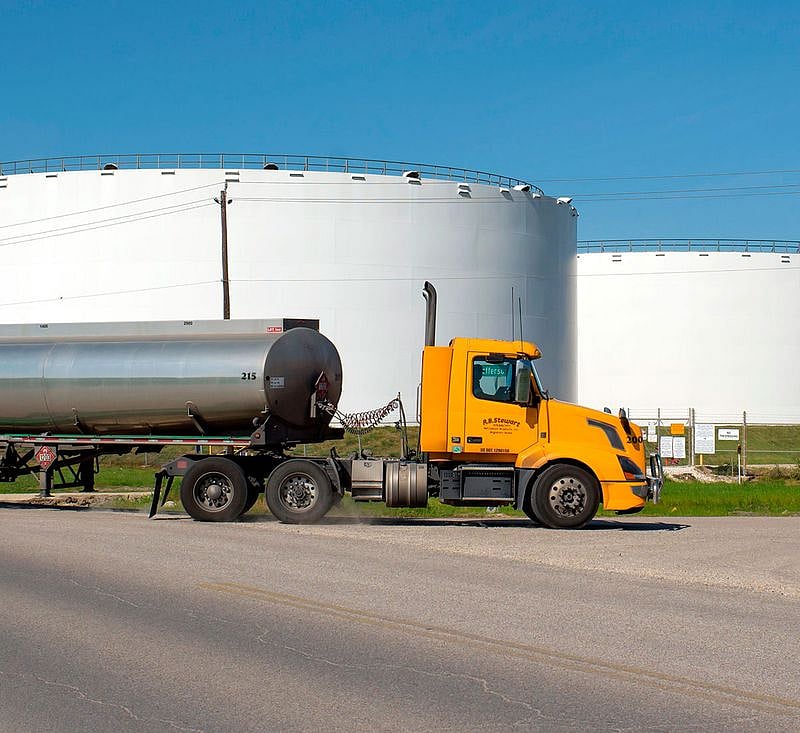
The Americas — led by record US shale output and rising production from Brazil, Argentina, Venezuela, the United States and Canada — are replacing Middle East crude, latest industry data shows.
Spurred by Middle East supply crises, US exports hit a massive 10.5 million barrels per day (bpd), pushing the US past Saudi Arabia to become the world’s top oil exporter, according to the International Energy Agency.
And amid the ongoing Hormuz crisis, Norway has ramped up fossil fuels, as seen in the May crude oil production data.
Asian nations, meanwhile, are increasingly competing for Russian crude oil as the energy crisis mounts amid the on-and-off-again US-Iran flareups, which has choked off roughly a fifth of the world’s oil supply.
Unsanctioned oil
To shore up global crude oil supplies, the US has temporarily eased sanctions on Russian oil shipments already at sea — first for India, then for the rest of the world.
These events mark a shifting balance of power in global oil markets.
Industry analysts point to a growing trend: oil production is moving westward amid record crude exports from the Americas, as well as Europe/Russia amid disruptions in Middle East supplies.
The continues to reshape trade flows and challenges the long-standing dominance of OPEC producers.
The trend has accelerated following months of instability around the Strait of Hormuz, where shipping disruptions linked to the US-Iran conflict sharply reduced tanker traffic and forced refiners to seek alternative suppliers.
HIGHLIGHTS
The shift from Middle Eastern supply to the Americas is driven by the following key data points:
Production dominance: US crude production reached a record 13.6 million bpd, significantly overshadowing outputs from top OPEC producers.
Changing Export Destinations: European countries now take approximately 47% of US oil exports, while Asian markets—historically reliant on the Middle East — account for about 46%.
Displaced market share: Recent geopolitical tensions in the Middle East severely crippled Gulf supply lines, shrinking Middle Eastern crude export capacity and forcing global refiners to substitute lost barrels with supplies from the Atlantic Basin.
South American expansion: Beyond the US, countries such as Brazil, Argentina, and Venezuela have increased regional output, cementing the Western Hemisphere's position as a new, secure energy bloc. [1]
Refining challenges: Much of the US shale output is light, sweet crude, whereas many traditional refineries are built to handle heavier, "sour" crudes from the Middle East. This necessitates ongoing trade of US-produced light crude to Europe and Asia in exchange for heavier crudes.
Sign up for the Daily Briefing
Get the latest news and updates straight to your inbox
Network Links
GN StoreDownload our app
© Al Nisr Publishing LLC 2026. All rights reserved.