Cooking gas cylinders run low across India as Gulf tensions hit LPG deliveries
LPG shortage pushes homes, hostels, eateries across the country to cut fuel-heavy dishes
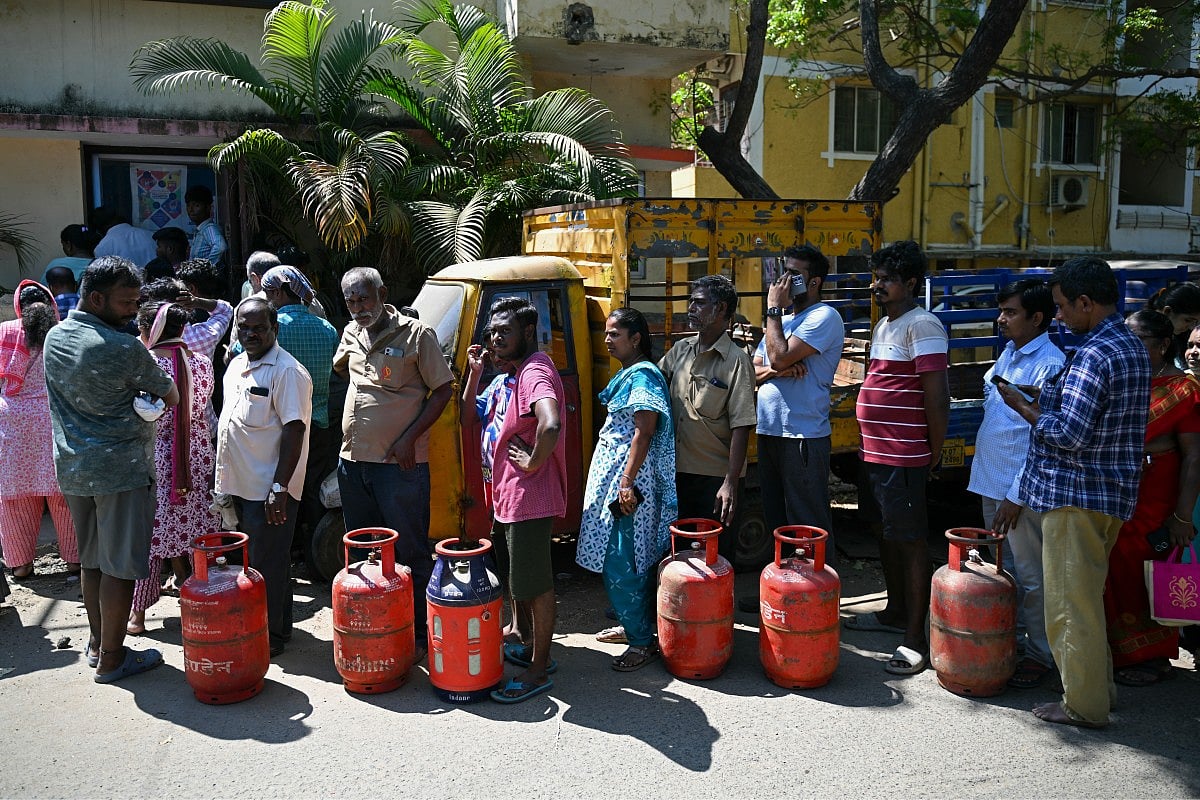
Dubai: Across India, familiar kitchen routines are changing as cooking gas supplies tighten. Hot tea, fried snacks and elaborate meals have been reported disappearing from menus in homes, hostels and roadside eateries hoping to use their LPG cylinders for a few more days.
The supply squeeze follows disruptions to energy shipments through the Strait of Hormuz, a key shipping route for oil and gas exports from the Middle East. Tensions involving Iran have slowed tanker traffic in the Gulf, pushing up transport costs and squeezing supplies for countries dependent on imported fuel.
India imports about 60% of its LPG needs, making domestic supplies sensitive to global disruptions. The effects are now visible not just in energy markets but in everyday cooking routines.
No fuel-heavy dishes
Cooks across cities are switching to dishes that use less flame and cook faster. Meals requiring long simmering or deep frying are being avoided so LPG cylinders last longer.
Typical adjustments now seen in homes and canteens include plain rice and lentils replacing multi-dish meals, buttermilk or curd instead of hot soups, lemon water replacing tea or coffee in some workplaces, steamed or boiled dishes replacing fried snacks.
These changes are spreading as households try to make each cylinder last until the next delivery.
Stay updated: Get the latest faster by downloading the Gulf News app - it's completely free. Click here for Apple or here for Android. You can also find it on the Huawei AppGallery.
Hostels ration gas
Student hostels and paying-guest homes are among the most affected because they usually store only a few cylinders at a time. When deliveries slow, kitchens must immediately ration fuel.
Arunkumar DT, president of the Bengaluru PG Owners Welfare Association, told Indian media many paying-guest kitchens are down to their last cylinders. Most facilities have about four to five days of LPG stock left, forcing cooks to simplify meals, he flagged.
As switching to low-fuel dishes could extend the life of a cylinder by another couple of days, some hostel groups have advised residents to pause making tea, coffee and flatbreads until supplies stabilise.
Canteens trim menus
The fuel shortage is also changing what workers eat in factory cafeterias. Managers across multiple states are adjusting menus so cooking can continue without exhausting gas reserves.
At an automobile parts plant in Gujarat, the canteen has already removed fried items from its menu. Tea breaks have been replaced with lemon water, and hot soup has been swapped for buttermilk.
For workers who depend on subsidised canteen meals, these changes are noticeable. Yet staff say conserving fuel is necessary to keep food service running.
Hotels face shutdown
Hotels, restaurants and street food vendors rely heavily on commercial LPG cylinders. As deliveries tighten, many are struggling to maintain normal operations.
Pradeep Shetty of the Hotel and Restaurant Association in western India said shortages have intensified during the past week. Cities reporting disruptions include: Mumbai, Pune, Aurangabad, and Nagpur.
Similar reports are emerging from Delhi, Karnataka, Telangana and Andhra Pradesh. If supplies do not improve quickly, Shetty said as many as half of Mumbai’s hotels and restaurants could temporarily shut, depending on the stock of cylinders they still have.
Small eateries face the greatest risk because they typically keep only one or two cylinders.
Shortage at eateries
Signs of the shortage are already appearing in local food stalls. In parts of New Delhi, some roadside eateries are limiting their menus to basic meals.
One stall posted a handwritten message telling customers that only rice and lentils were available for the day. The canteen inside the Delhi High Court has temporarily stopped serving hot meals and switched to sandwiches.
These adjustments allow kitchens to operate with minimal fuel until supplies return to normal.
Government shifts supply
The central government has introduced emergency measures to manage limited gas supplies. Officials say households and essential services will receive priority access to fuel.
India consumes about 195 million standard cubic metres of natural gas per day, with roughly half imported. Before the current disruption, about 60 mmscmd came from the Middle East.
Under the revised allocation system:
Households and vehicle fuel (CNG) – 100% supply
Fertiliser plants – about 70% supply
Tea industry and major manufacturing sectors – about 80% supply
Small industrial and commercial users – about 80% supply
These changes protect domestic cooking fuel but reduce gas available for commercial kitchens and industries.
Refineries hike production
The Ministry of Petroleum and Natural Gas has instructed domestic refineries to increase LPG production to help bridge the supply gap. Additional output will be directed toward the domestic market.
Authorities have also introduced steps to prevent hoarding. The minimum waiting period between LPG cylinder bookings has been increased from 21 days to 25 days.
Imported LPG will be prioritised for hospitals and educational institutions. Requests from restaurants and hotels will be reviewed by a committee of executives from India’s state-run oil marketing companies.
Commercial LPGs tighten
In several regions, distributors have begun restricting commercial cylinder bookings. In Rajasthan, dealers have been asked to halt new orders for commercial LPG cylinders temporarily.
Hotels and food vendors in Karnataka report similar disruptions. Some restaurant owners say they may have to stop operations if cylinder deliveries do not resume soon.
Industry groups warn that tourism could also be affected if restaurants reduce capacity or close temporarily.
Tankers heading to India
Government officials say additional LPG shipments are already on their way. Two cargo tankers carrying LPG are currently heading to India.
Domestic refineries have also been told to maximise production to offset supply disruptions. Officials say these steps should ease shortages once the shipments arrive.
Consumers have been urged not to panic buy cylinders. In many areas, the waiting period after ordering a cylinder remains about two to three days.
Cooking gas prices rising
The supply strain is also pushing up prices. In Delhi, a domestic LPG cylinder now costs ₹913, about ₹60 more than earlier levels.
Oil marketing companies initially absorbed some of the global price increases caused by the conflict. The government has announced ₹30,000 crore in compensation to offset these losses.
For households already adjusting their cooking habits, the higher cost adds another layer of pressure.
GCC conflict reach kitchens
The Strait of Hormuz remains one of the world’s most critical energy routes. Nearly 90% of LPG shipments reaching India pass through this narrow corridor between Iran and Oman.
For India’s kitchens, the impact is immediate. From hostel kitchens to street stalls and factory canteens, a geopolitical conflict thousands of kilometres away is now shaping what millions of people cook each day.

Sign up for the Daily Briefing
Get the latest news and updates straight to your inbox
Network Links
GN StoreDownload our app
© Al Nisr Publishing LLC 2026. All rights reserved.