UAE strengthens corporate governance and anti-money laundering framework
Authorities review stronger inspections and data-driven monitoring to keep markets stable
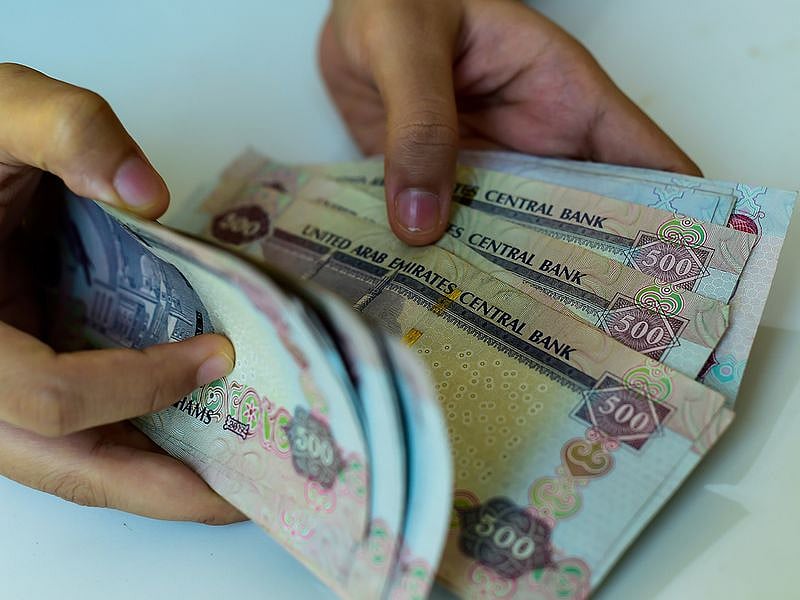
Abu Dhabi: The UAE’s Economic Integration Committee has reviewed new measures to strengthen corporate governance, reinforce the country’s legislative framework for combating money laundering and terrorist financing, and enhance the competitiveness of the national business environment.
The meeting, chaired by Abdulla bin Touq Al Marri, Minister of Economy and Tourism, brought together directors-general of the UAE’s economic development departments to assess key economic priorities, including corporate governance reforms, market oversight, intellectual property development, and finance lease regulation.
Bin Touq said the UAE continues to prioritize the development of an advanced digital infrastructure for economic legislation, policies, and indicators in line with international best practices, describing the Committee’s meetings as an important platform for coordinating national efforts to strengthen the country’s business and investment environment.
He noted that the UAE has launched an AI-powered regulatory ecosystem alongside the National Programme for Developing Statistics System to improve the readiness of the national economy and support the country’s ambition of becoming a global leader in proactive legislation for emerging economic sectors under the “We the UAE 2031” vision.
A key focus of the meeting was strengthening the legislative framework to combat money laundering and the financing of terrorism (AML/CFT), with committee members reviewing initiatives aimed at enhancing investor confidence and reinforcing the integrity of the UAE’s financial and business environment.
The Committee also examined corporate governance frameworks for companies operating in the UAE, discussing ways to improve services for businesses, investors, and stakeholders while streamlining procedures and aligning governance practices with global standards to further strengthen the country’s position as an international business hub.
Members reviewed progress on recommendations issued during the previous meeting, including enhanced inspection and monitoring of retail outlets, tighter oversight of markets, and measures designed to protect consumer rights, maintain balanced markets, and safeguard the sustainability of national supply chains.
The Committee reaffirmed the importance of continuous monitoring of essential commodity prices and market developments, emphasizing proactive measures to address any challenges affecting supply chains, preserve market stability, ensure uninterrupted availability of essential goods, and maintain consumer confidence.
As part of these efforts, members reviewed the work of the national team responsible for monitoring essential commodity prices. The team, comprising representatives from the Ministry of Economy and Tourism, economic development departments, and other national entities, is developing an integrated framework based on transparent standards to improve price monitoring, support evidence-based decision-making, and strengthen market stability.
The meeting also reviewed initiatives aimed at expanding the UAE’s intellectual property ecosystem and supporting innovation-driven economic activities as part of broader efforts to foster a knowledge-based economy.
In addition, the Ministry of Economy and Tourism presented proposed regulations governing finance lease activities carried out by legal entities that are not regulated by the Central Bank of the UAE. Officials highlighted the role of finance leasing in supporting small and medium-sized enterprises (SMEs) by enabling businesses to acquire equipment without significant upfront capital investment, diversifying financing options, and attracting international leasing companies to the UAE market.
The Committee noted that finance leasing supports strategic sectors including industry, logistics, healthcare, technology, construction, and energy, covering a wide range of assets such as trucks, aircraft, information technology systems, industrial and medical equipment, production lines, and heavy construction machinery.
Get updated faster and for FREE: Download the Gulf News app now - simply click here.
Network Links
GN StoreDownload our app
© Al Nisr Publishing LLC 2026. All rights reserved.