UAE economy set to grow 5.6% in 2026: Central Bank report
UAE records fiscal surplus of Dh61.7 billion in first nine months of 2025
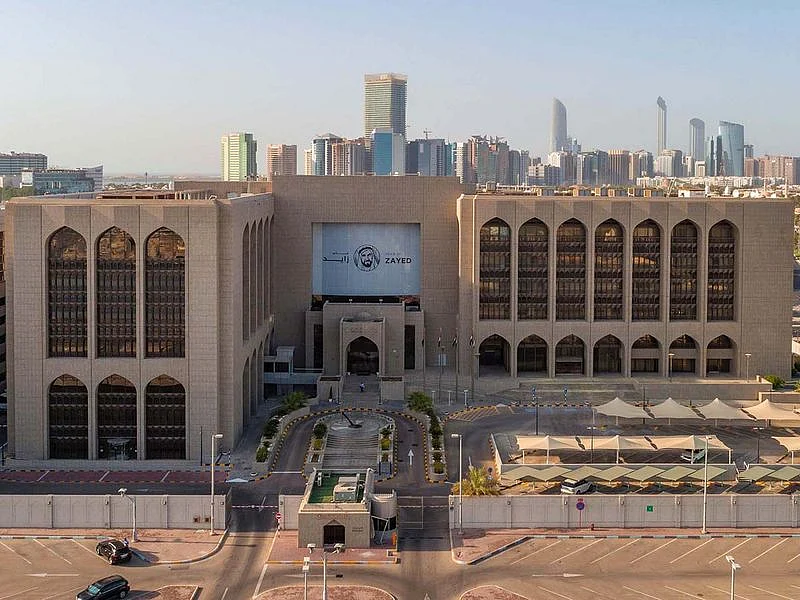
The UAE economy saw a real GDP growth of 5.6 percent in 2025, and is projected to expand at the same pace in 2026, the UAE Central Bank said on Thursday.
Releasing its annual report, the regulator said the growth was supported by the growing contribution of non-oil sectors, as well as the success of economic diversification strategies and proactive monetary policies in reducing inflationary pressures to stable levels.
“Growth in the current year is expected to be driven primarily by non-hydrocarbon sectors, particularly financial and insurance services, manufacturing and construction, alongside a rebound in hydrocarbon GDP following the most recent OPEC+ quota increase,” the central bank said.
“A projected moderation in oil GDP in 2027, alongside continuous, sustained growth in non-oil activities, could lead to overall GDP growth of around 4.4 percent,” the report added.
Growing revenue
The UAE fiscal position remained favourable in 2025, supported by stable government revenue generation and a budget surplus. General government revenue during January-September 2025 rose by 1.3 percent year-on-year to Dh408.5 billion, driven by a 24.4 percent y-o-y increase in non-tax revenue streams. Expenditures increased by 12.8 percent y-o-y to Dh346.8 billion, a 26 percent increase in capital spending, 15.5 percent in goods and services, and 5.6 percent in public wages. As a result, the fiscal surplus reached Dh61.7 billion during the same period.
Leadership in banking assets
The banking sector achieved regional leadership with assets valued at Dh5.4 trillion, supported by a 17.9 percent growth in the credit portfolio and a 16.2 percent increase in deposits, underscoring the sector's solvency and its high ability to meet growing credit demand in a stimulating business environment.
The insurance sector also continued its growth path with a remarkable increase in gross written premiums by 15.5 percent, reaching Dh75.2 billion, in parallel with the increase in total assets to Dh166.7 billion.
Non-oil trade climbs
The UAE’s non-oil foreign trade of goods during the first nine months of 2025 rose by 24.6 percent y-o-y to Dh2,530 billion, reflecting continued progress in economic diversification and an expanding network of Comprehensive Economic Partnership Agreements (CEPAs). Non-oil exports and re-exports increased by 45 percent and 13 percent, respectively, while imports rose by 22.3 percent. China remained the UAE’s largest trading partner, accounting for 11.2 percent of non-oil trade, followed by India at 8.1 percent and Switzerland at 6.3 percent. Gold, telecommunication equipment, and motor vehicles were the most traded goods. Nominal and real effective exchange rates depreciated by 0.4 percent and 1.3 percent, respectively, in 2025, supporting trade competitiveness.
In the real estate sector, the volume of residential sales transactions in Abu Dhabi and Dubai in 2025 is estimated to have increased by 22 percent, supported by sustained demand across market segments. Tourism activity also remained strong in 2025. Hotel establishments hosted 23.3 million guests during the first nine months of 2025, representing a 4.9 percent increase. Average hotel occupancy rose to 79.2 percent, while air travel indicators remained robust, with more than 108 million passengers transiting through UAE airports in the first three quarters of 2025.
Sign up for the Daily Briefing
Get the latest news and updates straight to your inbox
Network Links
GN StoreDownload our app
© Al Nisr Publishing LLC 2026. All rights reserved.