RBI slashes repo rate to 5.25% in unanimous vote, calls conditions 'goldilocks'
RBI cuts repo rate to 5.25% citing low inflation; retail loan EMIs expected to fall
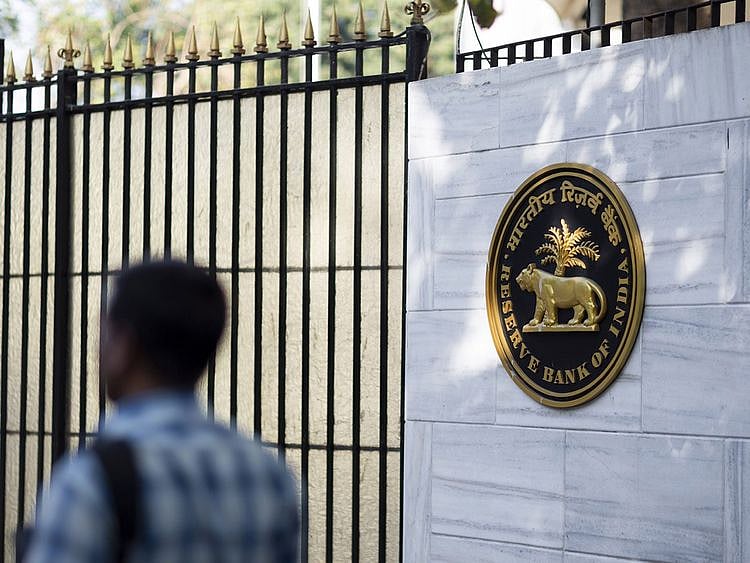
Dubai: The Reserve Bank of India’s (RBI) Monetary Policy Committee (MPC) unanimously voted on Friday to cut the benchmark lending rate by 25 basis points (bps), lowering the repo rate to 5.25% from 5.50%. This marks the second rate reduction in six months, following a 50-bps cut in June.
The decision, announced by RBI Governor Sanjay Malhotra, reflects the central bank's conviction that India is currently enjoying a rare economic "Goldilocks period" of robust growth and historically low inflation, providing ample room to support further economic momentum.
Inflation below target provides headroom
The MPC, which met over three days, weighed a recent record-low inflation rate against lingering concerns about a falling rupee. The central bank highlighted that average headline inflation in the second quarter of the current fiscal year breached the lower tolerance threshold of its flexible inflation targeting (FIT) framework for the first time.
"Since the October policy, the Indian economy has witnessed rapid disinflation, with inflation coming down to an unprecedentedly low level," Governor Malhotra stated. "For the first time since the adoption of flexible inflation targeting, average headline inflation for a quarter at 1.7% in Q2:2025-26, breached the lower tolerance threshold (2%) of the inflation target (4%). It dipped further to a mere 0.3% in October 2025."
He added that the "growth-inflation balance, especially the benign inflation outlook on both headline and core, continues to provide the policy space to support the growth momentum."
Strong GDP growth buoys optimism
The rate cut comes as the Indian economy demonstrated strong resilience, with real GDP growth accelerating to 8.2% in the second quarter—a six-quarter high. This growth was boosted by strong domestic demand, partly facilitated by the rationalisation of the goods and services tax (GST) rates and by strong festive season spending.
While projecting a slight softening, the RBI maintained an optimistic outlook, projecting real GDP growth for 2025-26 at 7.3%.
"Inflation at a benign 2.2% and growth at 8.0% in H1 2025-26 present a rare goldilocks period," the Governor noted, underscoring the favourable conditions that permitted the accommodative move.
Also Read
UAE NRIs: Thinking of investing back home? RBI just made it easierIndia’s RBI reviews some e-wallets after taxi app goes bustIndia’s RBI reviews some e-wallets after taxi app goes bustLiquidity and monetary transmission measures
The rate reduction is expected to quickly translate into lower Equated Monthly Instalments (EMIs) for retail borrowers, a key benefit for consumers. The Governor also announced several steps to ensure sufficient market liquidity and effective transmission of the policy rate cut.
"We have decided to conduct OMO purchases of government securities of ₹1,00,000 crore and a 3-year USD/INR Buy Sell swap of $5 billion this month to inject durable liquidity into the system," Malhotra said.
He confirmed that the RBI is committed to ensuring adequate durable liquidity to the banking system and clarified that the policy stance remains "neutral." The weighted average lending rate (WALR) of Scheduled Commercial Banks for fresh rupee loans has already declined by 69 bps since February 2025, demonstrating effective transmission of previous policy actions.

Sign up for the Daily Briefing
Get the latest news and updates straight to your inbox
Network Links
GN StoreDownload our app
© Al Nisr Publishing LLC 2026. All rights reserved.