RBI Governor Sanjay Malhotra
India’s RBI ends easing cycle with first rate hike since 2023
Governor Malhotra cites West Asia conflict and crude volatility for persistent inflation
Last updated:
2 MIN READ
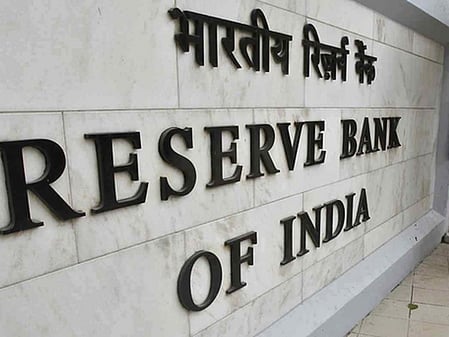
RBI likely to cap interest rate hikes at 25-50 bps, inflation easing in 2027: Report
Dubai: The Reserve Bank of India (RBI) raised its policy rate by 25 basis points on October 7. The repo rate now stands at 5.50 per cent from 5.25 per cent. The central bank has also changed its policy to "calibrated tightening" from " neutral". The six-member rate panel voted unanimously in favour of the rate hike. The standing deposit facility rate now sits at 5.25 per cent. The marginal standing facility rate and the bank rate move to 5.75 per cent.
This is the first hike in three years. The RBI last tightened in February 2023, ending a run of six increases totaling 250 basis points that began in May 2022. It then cut rates by 125 basis points from February 2025, reaching 5.25 per cent in December 2025.
Malhotra cited a sudden re-escalation of the West Asia conflict in September. Crude prices hardened and swung sharply. He expects global inflation to rise steeply, with major central banks already tightening.
The inflation unease
India's own numbers show the strain. CPI inflation is projected at 5.2 per cent this year, with the second quarter at 4.9 per cent, the third at 6 per cent and the fourth at 5.7 per cent. The first quarter of next year is forecast at 5.6 per cent. Core inflation is pegged at 4.4 per cent. This is indicative of the fact that price pressure now have reached food commodities and are not restricted to oil.
The MPC noted that policy works mainly by curbing second-round effects. Credit growth remains robust, and banks and non-banking lenders stay sound.
The external side has been facing its own troubles. India's merchandise trade deficit reached $58.7 billion (Dh215.6 billion) in July and August. It stood at $55.1 billion (Dh202.4 billion) a year earlier. Malhotra said the RBI will allow orderly exchange rate adjustments while curbing excessive volatility.
What it means for Indian FD holders in the UAE
Non-resident Indians with rupee deposits stand to benefit. Banks in India usually raise deposit rates after a policy hike, though the pace varies. Malhotra observed that deposit and lending rates had moved unevenly in July and August. An increase in fixed deposit rates is therefore not automatic.
Most UAE-based Indians park savings in NRE deposits. These are repatriable, and the interest is currently tax-free in India. Returns remain in rupees, so the dirham-rupee rate still decides what lands in your UAE account. Higher rates and the RBI's pledge to curb volatility can support the rupee. However, a wider trade deficit could play spoil sport.
Network Links
GN StoreAbout Gulf NewsTerms & ConditionsReach by GNSitemapContact usPrivacy PolicyGN FocusHave your sayWork with usAdvertise with usGulf News epaperPrinting Services
Download our app
© Al Nisr Publishing LLC 2026. All rights reserved.