7 things to know about Kevin Warsh, Trump’s Fed chair nominee
From Wall Street to the Fed, Kevin Warsh’s return puts rate cuts and independence in focus
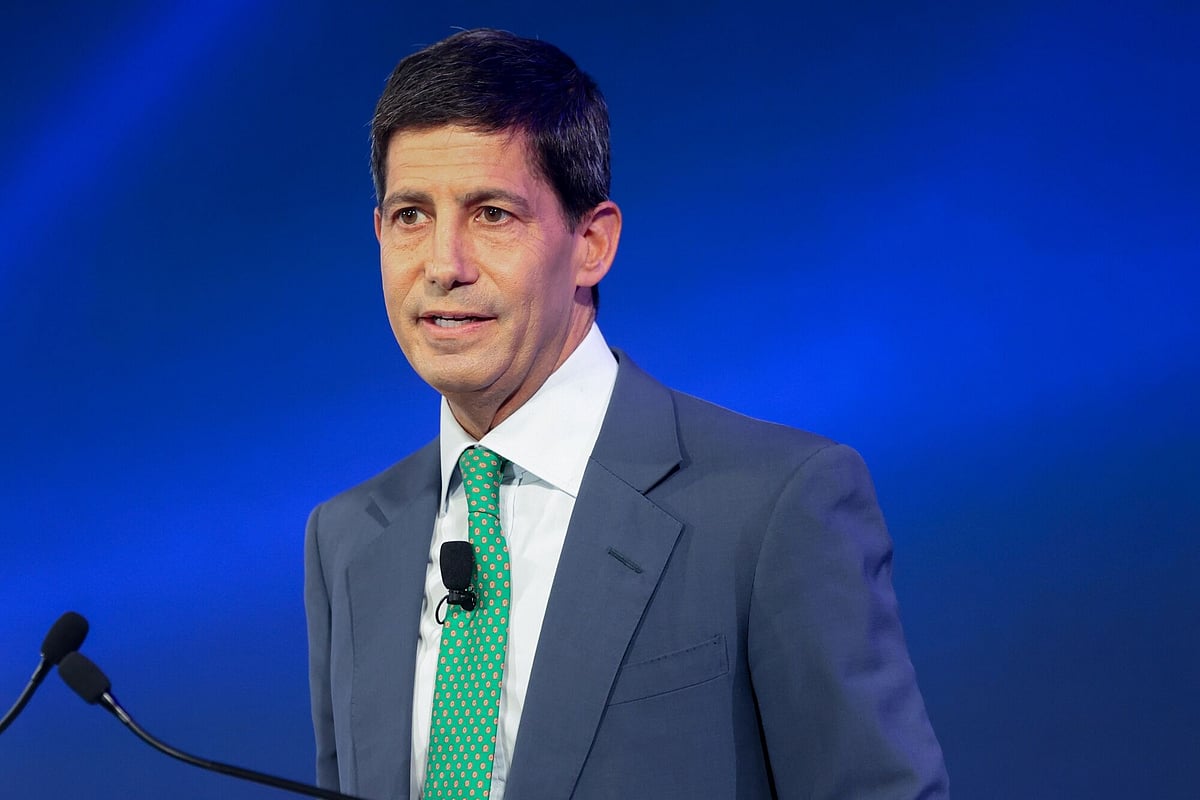
Dubai: Donald Trump’s decision to nominate Kevin Warsh as the next chair of the Federal Reserve marks a pivotal moment for US monetary policy, financial markets and everyday borrowers. Warsh’s return to the central bank comes after an unusually public search, at a time when political pressure on the Fed has intensified and expectations around interest rates remain finely balanced.
1. A familiar face returns to the Fed
Warsh is not new to the Federal Reserve. He served on the Fed’s board of governors from 2006 to 2011, becoming the youngest governor in the institution’s history when he joined at the age of 35. His tenure coincided with one of the most turbulent periods in modern financial history, covering the global financial crisis and the early years of the recovery.
If confirmed by the US Senate, Warsh will replace Jerome Powell when Powell’s term ends in May, marking a return to a central bank he knows well, though one that has evolved significantly since his earlier stint.
2. Wall Street roots and political ties
Before joining the Fed, Warsh built his career on Wall Street, working as a mergers and acquisitions banker at Morgan Stanley. He later served as an economic aide in George W. Bush’s administration, giving him experience at the intersection of markets and policy.
Those connections extend into Trump’s orbit. Warsh was considered for the Fed chair role during Trump’s first term, before Powell was selected, and his father-in-law is Ronald Lauder, heir to the Estée Lauder fortune and a long-time Trump donor and confidant. That proximity has added to scrutiny around how Warsh may navigate the Fed’s political independence.
3. A reputation shaped by crisis-era debates
During the financial crisis of 2008 and 2009, Warsh worked closely with then Fed chair Ben Bernanke, who later described him as one of his closest advisers. Warsh played a role in shaping the Fed’s response as it slashed interest rates and deployed emergency measures to stabilise the financial system.
At the same time, Warsh often voiced concern that aggressive rate cuts and asset purchases could eventually fuel inflation. He objected to several ultra-loose policies during and after the crisis, including the Fed’s 2011 decision to buy $600 billion of Treasury bonds, even though he ultimately voted in favour of the programme.
4. A shift on interest rates
Warsh has long been viewed as a policy hawk, someone inclined to prioritise inflation control over rapid growth. That reputation makes his recent alignment with Trump’s calls for lower interest rates particularly striking.
In speeches and opinion pieces over the past year, Warsh has argued that deregulation and spending restraint could reduce inflationary pressure, creating space for rate cuts. In a January 2025 Wall Street Journal column, he wrote that the Trump administration’s policies, if implemented, would be disinflationary, enabling the Fed to lower borrowing costs.
This evolution places Warsh at the centre of a debate that matters directly to consumers, given the Fed’s influence on mortgage rates, car loans and credit card costs, even though it does not directly set longer-term rates.
5. Independence under the spotlight
Warsh’s nomination lands amid growing concern about the Fed’s independence. Trump has repeatedly criticised Powell for moving too slowly on rate cuts and has taken steps that legal experts say test the boundaries of presidential power over the central bank.
Those moves include efforts to remove Fed Governor Lisa Cook and an investigation into renovations at the Fed’s headquarters, which Powell has described as a threat to the institution’s autonomy. Warsh has endorsed many of Trump’s criticisms of the Fed in recent months, calling for what he described as a regime change and arguing that the central bank has strayed beyond its mandate.
All eyes will be on how Warsh balances his stated support for lower rates with the need to preserve the Fed’s credibility and independence, which economists widely view as essential for controlling inflation over time.
6. Limits to what a Fed chair can do
Despite the attention around his nomination, Warsh will not have unilateral control over interest rates. The Fed’s key decisions are made by the Federal Open Market Committee, which includes 19 members, with 12 voting on rate changes at any given meeting.
The committee is currently divided between officials concerned about persistent inflation and those focused on signs of economic slowdown and rising unemployment. Any attempt to push rates sharply lower would require broad consensus, limiting how far a chair can move policy on his own.
Financial markets also act as a constraint. Aggressive rate cuts perceived as politically driven could trigger bond sell-offs, pushing longer-term yields higher and offsetting the intended relief for borrowers.
7. Why markets are paying close attention
Warsh’s appointment signals a potential shift in tone and priorities at the Fed, even if policy changes prove gradual. Investors are weighing whether his leadership would tilt the balance toward faster easing or bring a tougher stance on issues such as climate risk and diversity, which Warsh has criticised as distractions from the Fed’s core mandate.
In a July interview on CNBC, Warsh said Fed policy “has been broken for quite a long time” and accused the central bank of making its biggest macroeconomic mistake in decades by allowing inflation to surge in 2021 and 2022. Such remarks suggest a chair willing to challenge recent orthodoxy and reshape the institution’s focus.
- With inputs from agencies.
Sign up for the Daily Briefing
Get the latest news and updates straight to your inbox
Network Links
GN StoreDownload our app
© Al Nisr Publishing LLC 2026. All rights reserved.