Engine fire scare forces Turkish Airlines emergency landing in Kolkata
Smart systems, pilot response avert catastrophe as engine fire triggers emergency landing
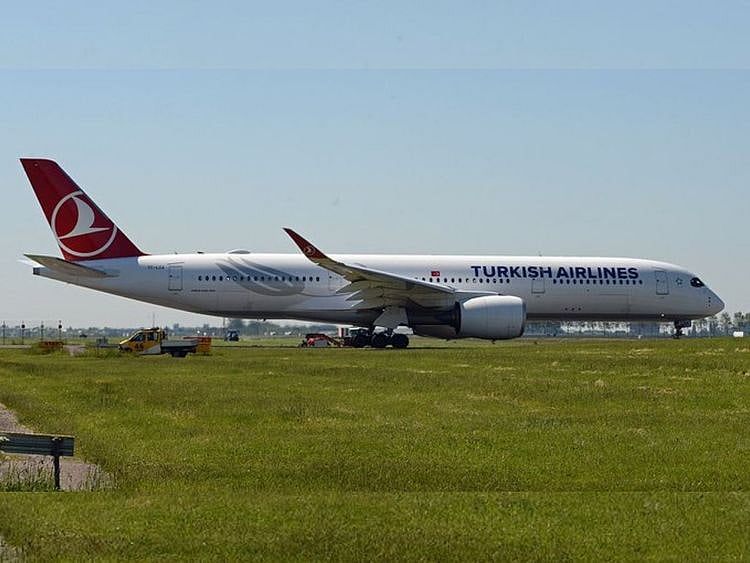
When a routine long-haul flight turned tense in mid-air on Wednesday afternoon, passengers aboard Turkish Airlines flight THY-727 experienced an unsettling reminder of how modern aviation handles emergencies with precision and calm.
Departing Kathmandu’s Tribhuvan International Airport bound for Istanbul, the Airbus A330-303 was barely four minutes into its journey when the aircraft’s right engine triggered a fire alert — a moment that, for the 225 passengers and 11 crew members on board, could have been the start of something far worse.
According to airport and airline officials, the cockpit crew quickly identified the issue and informed Kolkata air traffic control of a possible engine fire, prompting controllers to prepare Netaji Subhash Chandra Bose International Airport for an emergency landing.
In aviation, an engine fire indicator is one of the most serious alerts a pilot can receive after takeoff. It typically initiates an immediate checklist that includes shutting down the affected engine and diverting to the nearest suitable airport — standard safety protocol that in this case kept the aircraft airborne while a safe diversion was planned.
By 2:49 PM local time, the aircraft had executed a smooth, full emergency landing in Kolkata, touching down without injury to anyone on board. Fire crews and emergency responders were on standby but ultimately stood down after the jet taxied safely to its parking bay.
Officials say the plane will undergo a comprehensive technical inspection of the engine and related systems, and an investigation into the cause of the alert is underway. Aviation analysts, while noting the rarity of such engine events on modern twin-engine airliners, have pointed out that rapid detection and automated safeguards — aided by decades of improvements in aircraft sensors and cockpit training — are critical to preventing escalation into real danger.
Network Links
GN StoreDownload our app
© Al Nisr Publishing LLC 2026. All rights reserved.