Emirates to launch robots that check in passengers and carry bags in 2027
Next-generation robots to scan faces, weigh luggage and attach baggage tags automatically
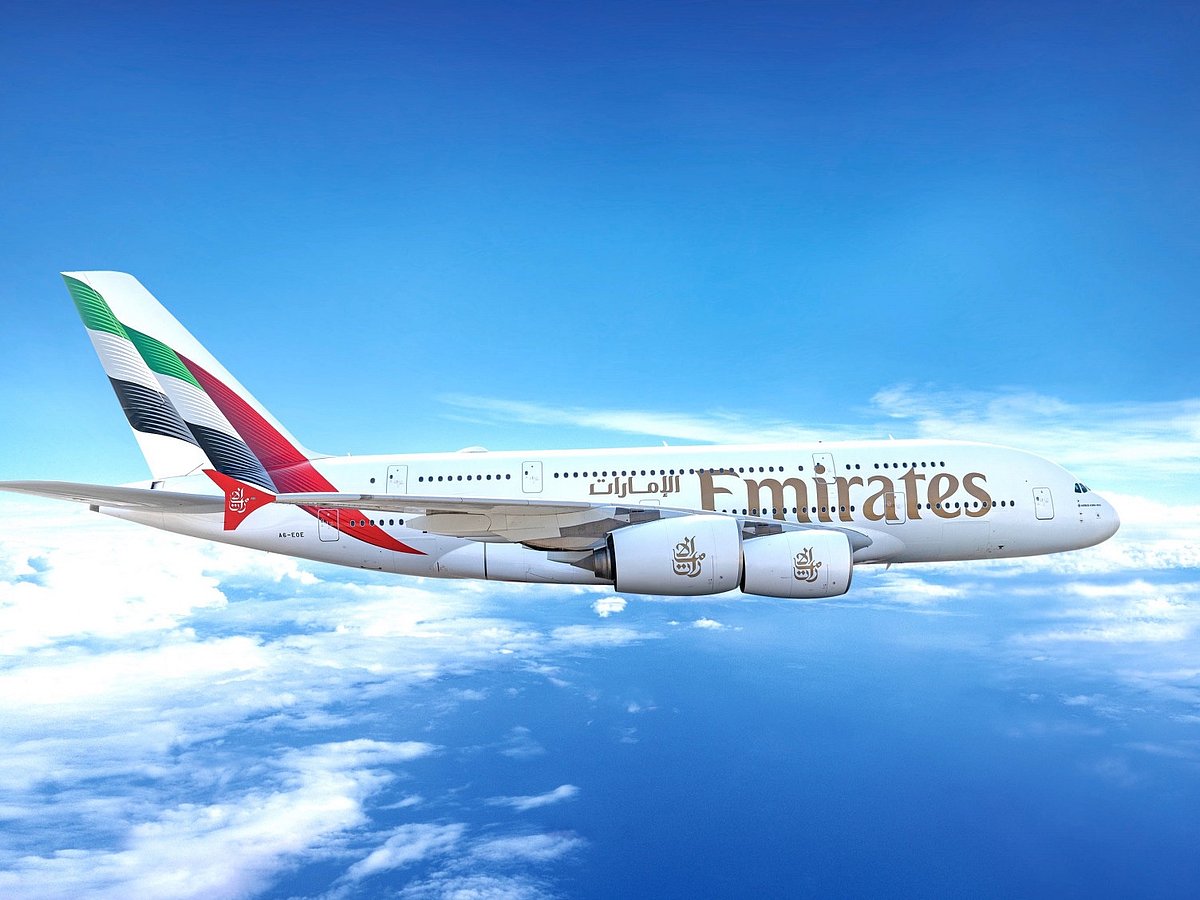
Dubai: Emirates Group is developing a new generation of airport robots that will be able to complete passenger check-in and handle baggage automatically, with the technology expected to be unveiled and formally launched in the first quarter of 2027.
Keenan Hamza, Emirates’ vice-president of Innovation and New Technologies, said the project was part of the group’s wider push into advanced technology, artificial intelligence and automation to improve the passenger experience.
Get updated faster and for FREE: Download the Gulf News app now - simply click here.
Speaking to reporters during the fourth edition of ForsaTEK 2026, Emirates Group’s annual innovation event, Hamza said the new robots build on the success of Sara, an initial prototype designed to complete check-in using facial recognition and passport-scanning technology.
The next generation will have broader capabilities, including taking passengers’ luggage and transporting it directly after they arrive at the airport.
Hamza said the baggage robot would recognise a passenger as they approached by scanning their face. It would then receive the suitcase, weigh it and automatically attach the baggage tag, completing the process without manual intervention.
The development is being carried out through a specialised robotics laboratory established by Emirates Group as it seeks to expand automation and improve operational efficiency.
Hamza said the use of advanced technology was not limited to the passenger journey. Emirates is also applying automation across operations, cargo and logistics, while seeking to provide services tailored more closely to the needs and expectations of individual travellers.
The group is continuing to expand its use of robotics, artificial intelligence and biometric technology, he said, with a focus on the value those systems can provide to passengers, employees and operational teams.
Emirates also showcased a system for inspecting engine components using drones during the event. Hamza said the group was the first organisation in the region to carry out such inspections.
Automation has also expanded in cargo operations, he said, with the measurement of pallet dimensions now carried out through a fully automated process.
Hamza said Emirates Group had introduced a large number of technology initiatives over the past three years, with some ideas that were still at the discussion and experimental stage two years ago now integrated into day-to-day operations.
Artificial intelligence is also expected to play a growing role in making services more personalised.
“Through AI solutions, we want to provide the best service and quality to individuals, and to know what a passenger likes and what they prefer to eat and drink,” Hamza said.
He said the large volume of passenger data available to the group, combined with artificial intelligence, offered significant potential to anticipate travellers’ needs. Over the coming years, the aim is to make services more proactive and personalised, reducing the need for passengers to request them directly as systems learn to anticipate some needs from previous preferences.
The fourth edition of ForsaTEK 2026 opened with technology and innovation leaders and experts taking part in more than 90 events and experiences. The programme features 60 projects and technology solutions demonstrating how emerging technologies can move from research and experimentation into practical applications across aviation and travel.
Network Links
GN StoreDownload our app
© Al Nisr Publishing LLC 2026. All rights reserved.