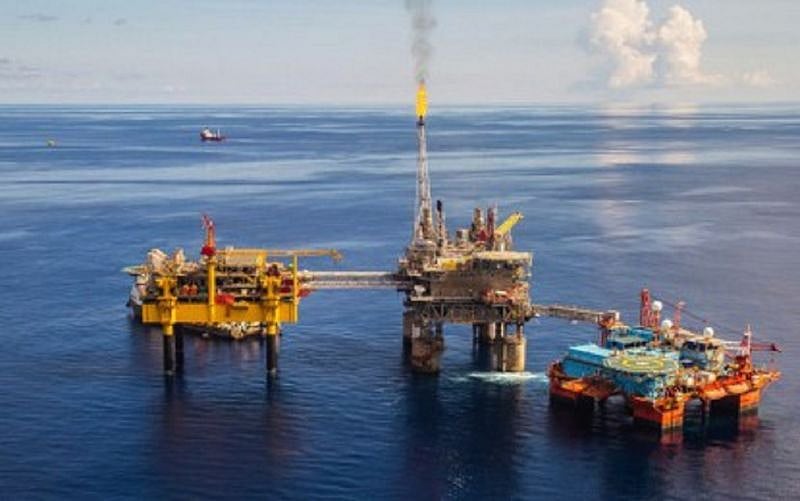
Life at sea places people under a unique form of pressure, combining physical demands, emotional strain, and prolonged separation from family. Offshore assignments often involve long rotations, confined living conditions, and limited privacy, creating an environment that places sustained physical and psychological pressure on personnel. In such conditions, mental strain should be understood as an operational issue as much as a personal one.
Get updated faster and for FREE: Download the Gulf News app now - simply click here.
Alongside these pressures, offshore energy operations are undergoing a structural transition. A growing share of experienced professionals is approaching retirement, while the influx of younger specialists remains comparatively limited, widening the industry’s expertise gap. Given the heavy reliance on hands-on experience in offshore environments, crew wellbeing is not only a workforce challenge but a critical factor shaping the future of the industry.
One conclusion across wellbeing research at sea is that social connection is one of the strongest factors in crew attraction and retention. Family contact, access to familiar platforms, and the ability to stay informed about life onshore help reduce the sense of isolation that has traditionally defined offshore work. Today’s workforce is more digitally connected and places greater importance on staying in touch beyond the worksite. The Seafarer Happiness Index Q4 2025 report highlighted declining satisfaction with onboard connectivity, suggesting that existing approaches are not fully meeting crew expectations.
Connectivity should therefore no longer be treated as a comfort feature, but as a necessary part of workforce sustainability. This shift is also reflected at the regulatory level, where according to the latest amendments to the Maritime Labour Convention, seafarers should be provided with appropriate social connectivity on board as part of their welfare package.
The practical challenge for operators lies in delivering this access at scale. Offshore facilities often accommodate large, rotating teams, making it difficult to ensure a consistent and equitable policy across multiple projects at sea. This is where network management becomes a key enabler, supporting centralised quality monitoring and access control. Data bundles can be allocated through individual vouchers, ensuring transparent and fair distribution.
GCC offshore operators account for around 20% of global oil production and are therefore uniquely positioned to set a benchmark for the industry worldwide. By embedding structured, scalable connectivity frameworks into their operations, they can address mental well-being challenges, strengthen talent attraction and retention, and ensure continuity of knowledge transfer. Connectivity becomes more than an operational tool—it evolves into a strategic enabler of workforce resilience and a foundation for the sustainable growth of the offshore energy sector globally.
- The writer is VP-Commercial, IEC Telecom
Sign up for the Daily Briefing
Get the latest news and updates straight to your inbox
Network Links
GN StoreDownload our app
© Al Nisr Publishing LLC 2026. All rights reserved.