UAE grocery prices: Will your supermarket bill come down as fuel costs drop?
Softer global food prices, cheaper fuel and calmer oil markets are reducing cost pressures
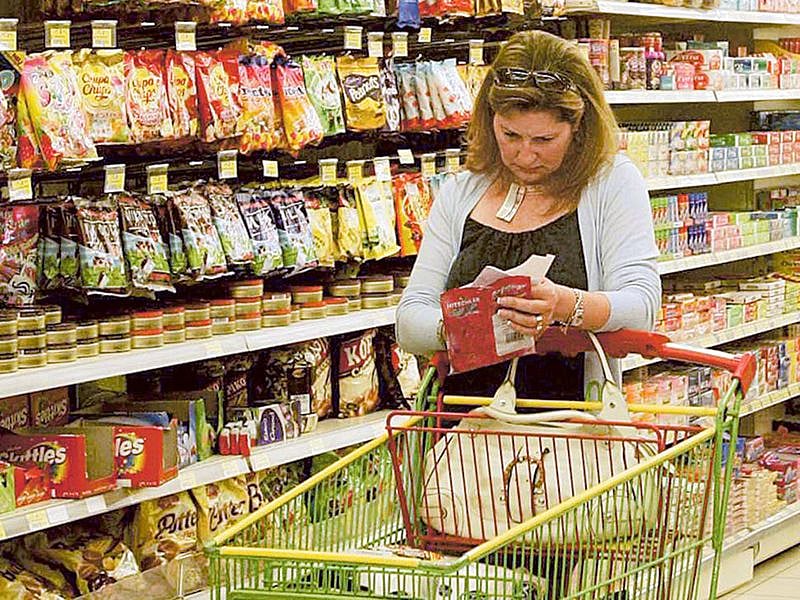
Dubai: The risk of another fuel-driven surge in UAE grocery prices is easing after oil markets retreated from recent highs, the UAE cut fuel prices sharply for July and global food commodity prices softened, reducing pressure across the food supply chain.
Get updated faster and for FREE: Download the Gulf News app now - simply click here.
The shift comes weeks after fears that the US-Iran conflict could disrupt shipments through the Strait of Hormuz, push crude prices higher and raise transport and freight costs for importers and retailers.
Those fears have eased, though not disappeared. The Food and Agriculture Organisation said its benchmark measure of world food commodity prices “edged down in June”, as “lower quotations for cereals, sugar and dairy products outweighed higher quotations for vegetable oils and meat”.
The FAO Food Price Index averaged 130.3 points in June, down 0.3 per cent from May, but still 2.2 per cent higher than a year earlier. For UAE households, that does not mean grocery bills will fall immediately. It does suggest the likelihood of another fuel-driven increase in supermarket prices has reduced.
The change also follows one of the UAE’s sharpest monthly fuel price cuts in recent years. From July 1, fuel prices fell by 14 to 17 per cent, led by a 16.9 per cent drop in diesel, lowering costs for commercial transport and food distribution.
Why fuel still matters
Fuel affects farming, fertiliser, shipping, refrigeration, warehousing and last-mile delivery. That makes energy costs a major input for food prices, especially in import-reliant markets such as the UAE.
When oil prices surged during the conflict, the concern was that higher diesel, freight and insurance costs would work their way through importers, wholesalers and supermarkets.
Energy markets have since moved in the opposite direction, helped by recovering Gulf exports. Benchmark Brent futures have already fallen to around $70 a barrel, nearly $50 below the wartime peak of $118, despite continuing uncertainty over the Strait’s long-term security.
Lower diesel prices matter directly for supermarket supply chains because trucks, cold-chain fleets and food distributors rely heavily on diesel. The savings may not immediately show up on shelves, but they reduce pressure on retailers to pass on further cost increases.
Split commodities picture
Global food markets are also giving a more mixed, but less alarming, signal. The biggest improvement came from cereals. FAO said its Cereal Price Index fell 3.5 per cent in June, driven by lower maize and wheat prices.
Global wheat quotations dipped 4.4 per cent as “rapid harvest progress and strong supply prospects in the Black Sea region” outweighed crop concerns in Australia and the United States.
That matters for UAE shoppers because wheat is used in everyday staples such as bread, flour, pasta, breakfast cereals, bakery products and noodles.
Sugar also became cheaper. FAO said its Sugar Price Index fell 5.7 per cent from May, helped by lower domestic ethanol prices in Brazil and a weaker Brazilian real. Dairy prices also declined 1.5 per cent, reflecting lower prices for skim milk powder, whole milk powder and butter.
Not every food category is easing. FAO said vegetable oil prices rose 3.8 per cent in June, supported by higher palm and rapeseed oil quotations, while meat prices increased 0.5 per cent and reached a new record high.
That means UAE shoppers may see more stability in wheat-, sugar- and some dairy-linked products, while cooking oils, poultry, beef, lamb and frozen meat remain under pressure.
Sensitive oil markets
The oil backdrop is still fragile. On Tuesday, that Brent crude rose 1.24 per cent to $72.88 a barrel after reports of attacks on vessels near the Strait of Hormuz revived concerns over shipping through the energy transit route.
Saxo Bank analyst Ole Hansen: “The overriding theme this morning is a ship being shot at in the Strait of Hormuz.” He added: “That’s bringing some geopolitical risk premium back into the price.”
That is the key risk for UAE consumers. Fuel-led pressure has eased, but the Strait of Hormuz remains a market trigger. Any renewed disruption could quickly lift oil, diesel, freight and insurance costs again.
Why prices may lag
Lower fuel and softer commodity prices rarely lead to instant reductions at the checkout. Importers and distributors often buy stock weeks or months in advance under fixed-price contracts.
Many products already on UAE shelves may have been purchased when freight, fuel and commodity costs were higher. Existing inventory also has to clear before lower procurement costs reach wholesalers and retailers.
For shoppers, the first effect is more likely to be slower price increases than broad discounts. The usual chain is simple: global commodity prices move first, followed by import costs, wholesale prices and then supermarket shelves. Depending on the product, that process can take weeks or months.
Moderate UAE inflation
The easing in oil and food commodity pressures fits with the UAE’s broader inflation outlook. In its June Quarterly Economic Review, the Central Bank of the UAE forecast headline inflation at 2.3 per cent in 2026 and 1.9 per cent in 2027.
It also said food and beverage prices rose 1.5 per cent year-on-year in Abu Dhabi during the opening months of the year and 4 per cent in Dubai. The UAE is exposed to global food and energy markets because most food is imported. That makes international wheat, sugar, oil, freight and diesel trends important for household grocery bills.
Easing shipping fears
One of the biggest concerns during the conflict was that disruption around the Strait of Hormuz would raise shipping costs, delay cargo and increase insurance premiums for goods entering Gulf markets.
Those fears have eased as Gulf exports recover. Reuters reported that total exports via Hormuz nearly quadrupled in June from May to around 4.2 million barrels per day, citing Kpler data, though that remained below pre-war averages.
That recovery has helped reduce the immediate pressure on energy prices and freight expectations. Combined with lower diesel prices in the UAE, it eases costs across ports, warehouses, supermarket distribution centres and home deliveries.
The risk is that this can reverse quickly. With the latest developments, analysts flagged how investors were monitoring US-Iran talks and their implications for shipping through the Strait of Hormuz, which before the Iran war carried a fifth of the world’s daily supply of oil and LNG.
Global food risks remain
The improving outlook does not mean food inflation risks have disappeared. The World Bank said “domestic food price inflation remained moderately high” between April and May 2026, with the share of low-income countries recording food inflation above 5 per cent rising from 40 per cent to 45 per cent.
In a separate analysis, the World Bank warned that global food-market “risks are firmly tilted to the upside”. It cited prolonged conflict, stronger biofuel demand, a more intense El Niño and renewed export restrictions as factors that could push food commodity prices above current projections.
Those risks matter for UAE residents because imported food prices can change quickly when energy, fertiliser, shipping or weather shocks hit major producing countries.
What to watch for next
For now, the pressure on grocery prices is easing rather than disappearing. Lower UAE fuel prices, softer cereal and sugar markets, weaker oil prices and recovering shipping flows have removed several cost pressures that were building only weeks ago. That makes another immediate fuel-led jump in supermarket prices less likely.
The benefit is likely to be uneven. Products linked to wheat, sugar and some dairy inputs are better placed to stabilise. Cooking oils, meat and imported protein products may remain expensive because their underlying global commodity prices are still rising.
The next direction of UAE supermarket prices will depend on three factors: whether Brent crude stays near current levels, whether shipping through the Strait of Hormuz continues without major disruption, and whether global food prices continue easing beyond cereals, sugar and dairy.
Cheaper petrol is already visible at the pump. Its wider impact on grocery bills will take longer, through lower transport, storage and distribution costs. For now, the clearest message for UAE households is that a sharp, fuel-led grocery price surge looks less likely than it did a month ago, but cheaper supermarket bills are not guaranteed.

Sign up for the Daily Briefing
Get the latest news and updates straight to your inbox
Network Links
GN StoreDownload our app
© Al Nisr Publishing LLC 2026. All rights reserved.