NRIs in UAE: 6 changes in India’s 2026 Budget that affect you back home
India Budget 2026: How it impacts your savings, investments, property and taxes
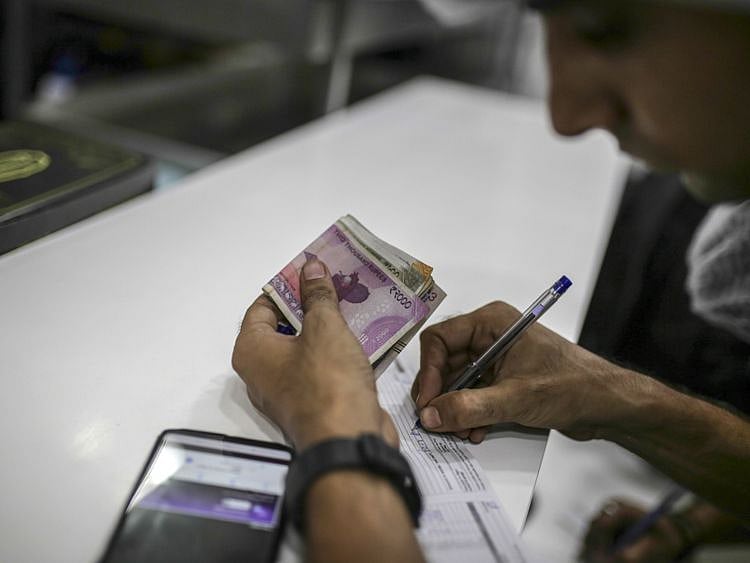
Dubai: If you live in the UAE, many financial decisions still connect you to India — whether it’s investing in shares, selling property, sending money for education, or planning a family trip home.
Although India’s Union Budget 2026 didn't rewrite the tax code, it does fix rules that made everyday NRI choices harder. Here’s what has changed and how it impacts your savings, investments, property, and taxes back home:
1. Travel, remittances just got cheaper
India Budget 2026 cuts the upfront tax on several common international expenses to 2%, making travel and overseas spend more affordable:
Overseas tour packages: Tax drops to a flat 2% from the previous 5% and 20% slabs. This includes travel, hotel, boarding, and other package costs.
Education abroad: If you send money from India for tuition or overseas study costs, tax on such remittances under the Liberalised Remittance Scheme is now 2%, down from 5%.
Medical treatment abroad: Tax on remittances for medical expenses is also cut to 2%.
If you send money from India for a child’s education in the UK or Canada, or book an international family trip from your Indian account, you’ll see less money blocked upfront as tax. That improves cash flow and makes budgeting easier.
So if family in Dubai paying school fees to a US university earlier faced 5% upfront TCS, that upfront amount drops to 2% now, freeing up funds for essentials like books and accommodation.
2. Selling property to now be less painful
This is one of the most practical changes for NRIs. Earlier, when you sold property in India, the buyer had to apply for a special tax number called a TAN just to deduct tax before paying you. Many buyers found this complicated and avoided NRI-owned properties.
From October 1, 2026, this extra step is removed. Buyers can use their existing PAN to pay the tax. So if you plan to sell a flat, villa, or land in India, the transaction will move faster and face fewer objections from buyers.
For example, if you own an apartment in Kochi or Bengaluru and want to sell it while living in Abu Dhabi. Earlier, buyers often asked for discounts or delayed deals because of the TAN requirement. Now, the process becomes almost the same as buying from a resident Indian, making your property easier to sell.
3. One-time chance to clean up old accounts
Many NRIs have small overseas assets they never meant to hide — old student bank accounts, company shares from a previous job, insurance policies taken years ago. Some simply didn’t know they had to declare them.
Budget 2026 introduces a one-time disclosure scheme for such cases. So if you accidentally missed declaring something in the past, you now get a chance to declare it properly, pay the required tax or fee, and move on — without fear of harsh penalties or prosecution.
Let's say you worked in another country before moving to the UAE and still have a small bank account you never closed. Or you received company shares years ago and forgot about them. This scheme gives you a hassle-free, legal way to correct the record.
4. You can now invest more in shares
Earlier, as an NRI, you were allowed to own only up to 5% of a single listed Indian company if you invested directly in shares. Budget 2026 increases this limit to 10%.
However, this applies to you only if you invest using your India-based NRE or NRO account under the Portfolio Investment Scheme, which NRIs use to invest in Indian shares either with money they can take abroad later or money meant to stay in India.
If you're an NRI who invests regularly in Indian stocks such as banks, IT companies, or consumer brands, you may have had to stop buying once you hit the 5% limit—even if the company was performing well. Now, you can continue investing up to 10%.
Many NRIs prefer direct stock investing instead of mutual funds. This change gives you more flexibility and lets you build meaningful long-term positions instead of being forced to diversify just because of rules.
5. Relief for certain NRI-linked businesses
Budget 2026 removes minimum tax for certain NRI businesses that are taxed on a simple, fixed-rate basis. This applies mainly to cruise ship operations, and services linked to setting up electronics manufacturing units in India.
What this means is, if you run or are connected to a cross-border business linked to India, your tax calculation may become simpler and lighter.
So if your UAE-based firm provides technical support or services to an electronics factory in India, this change can reduce tax uncertainty and paperwork.
6. Clarity for UAE firms supplying to India
Foreign companies — including UAE-based firms — that supply machines, tools, or equipment to electronics factories in India’s special zones will get tax exemption until 2031.
If you supply machinery or tooling to Indian manufacturers, your income from these supplies may not be taxed in India for several years. So a Dubai-based company supplying production equipment to an Indian electronics plant now has clear tax visibility till 2031, making long-term contracts easier to plan.
Key takeaways from this Budget?
While India's 2026 Budget didn't impress NRIs with big announcements, it certainly helped remove rules that:
stopped you from investing more when you wanted to
made property sales harder than they needed to be
left you worried about old financial baggage
added tax complexity where it wasn’t necessary
Put simply, the aim is to make it easier for NRIs to stay invested — with fewer unnecessary stress. For those living in the UAE and managing ties with India, this makes everyday decisions a little smoother.

Sign up for the Daily Briefing
Get the latest news and updates straight to your inbox
Network Links
GN StoreDownload our app
© Al Nisr Publishing LLC 2026. All rights reserved.