He flew from Dubai with new iPhone 17. Indian customs stops him, charges duty
Dubai expat’s India trip got expensive after he carried a sealed new iPhone
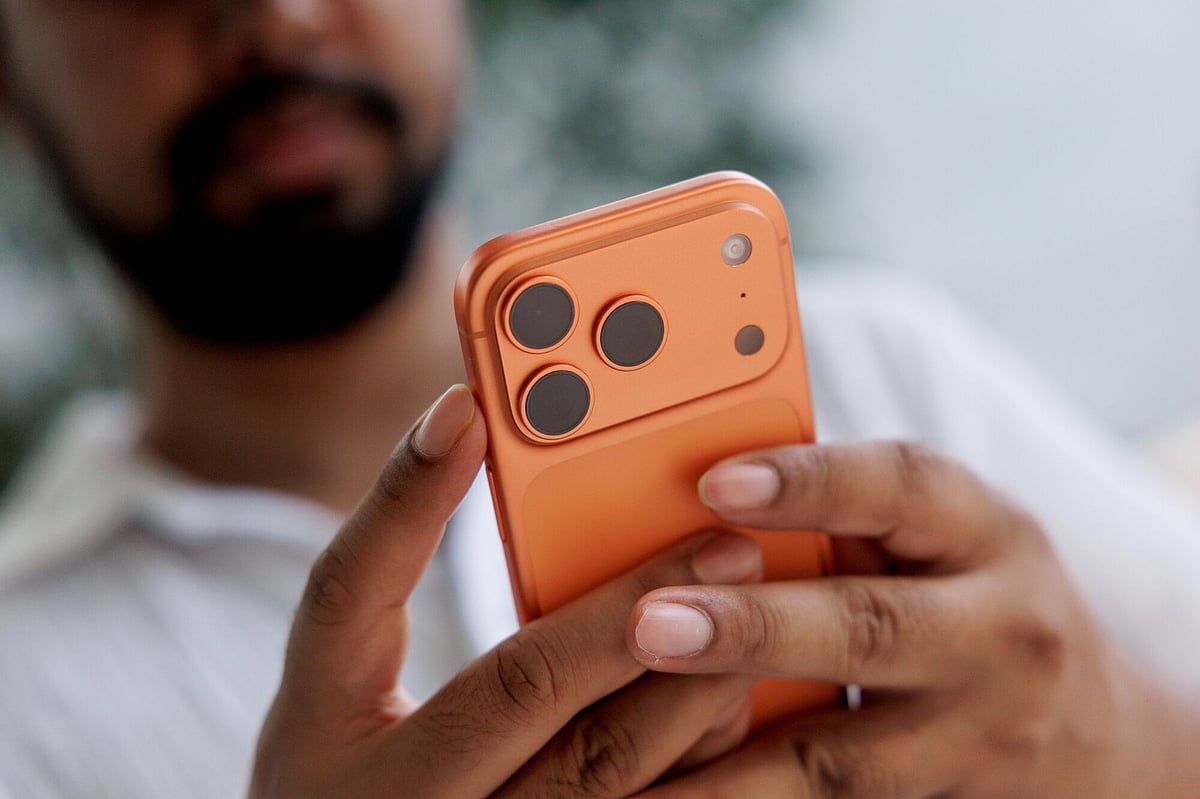
Dubai: Dubai resident, let’s call him Ravi, thought he knew all the rules before his annual trip to India last December. He’d booked family visits, holiday outings, and even a new sealed iPhone 17 Pro Max he’d bought in Dubai as a surprise for his brother.
What Ravi didn’t realise was that bringing more than one phone — especially in sealed packaging — across Indian customs could trigger significant import duties and taxes.
“I assumed phones were like laptops — you bring them, you’re fine,” he says. “My friend did it last year without any issue. I didn’t think twice.” But at Mumbai International Airport, it didn’t go as planned.
Sealed phone, surprise bill
Ravi arrived at the arrivals hall and headed straight for baggage claim with two devices: his personal iPhone in his pocket and the brand-new sealed iPhone 17 Pro Max in his carry-on.
Customs officials stopped him at the scanner. The sealed phone triggered alarms. “You’re carrying more than one mobile device, and this is in sealed condition,” the officer said, pointing to India’s customs rules displayed behind the counter. “This is treated as commercial import. You must declare it at the Red Channel and pay duty on its value above the allowance.”
Ravi felt his stomach drop. He hadn’t declared the phone. He hadn’t gone through the Red Channel at all. He only saw the “Nothing to Declare” sign and walked right through.
Minutes later, he found himself standing at the Customs Red Channel kiosk, filling out forms and paying nearly ₹22,000 (about Dh1,000) in duties and taxes on the sealed phone — more than 20% of its value.
“I thought this was just a holiday gift,” Ravi says. “But because it was sealed and over the duty-free limit, they charged duty on the entire value. I lost count of how quickly it added up.”
Key customs rules to know
Ravi’s experience illustrates a gap in understanding that many UAE residents have when travelling to India. Customs rules treat mobile phones differently from general personal items like clothes or toiletries, but the details matter.
Here’s what UAE travellers should know before flying to India with phones or other electronics:
1) Duty-Free Allowance for Electronics
India’s duty-free allowance for travellers covers electronics up to around ₹50,000 (about Dh2,200). Phones under this value typically clear without duty when carried as personal items.
2) One personal phone is permitted
Carrying one personal mobile phone — even a new one — is normally allowed without declaring it, as long as it is unboxed and clearly for personal use.
3) Multiple phones flag commercial import
More than one phone, especially when sealed in box packaging, signals possible commercial intent to customs. This often leads to scrutiny and duties on the full value of the devices.
4) Declare at Red Channel if above allowance
If your phone (or phones) exceeds the duty-free limit or appears intended for commercial use, you should go to the Red Channel at the airport and declare the items.
5) Have original invoices
Customs officials use the original invoice to determine the value of the device and calculate duty. Without it, officials may assign a higher assessed value.
6) Open packaging
Keeping electronics in sealed retail packaging can trigger inspection and duty. Authorities often treat sealed goods as import items.
7) Customs duty and taxes
Under India’s customs framework, high-value phones attract:
Basic Customs Duty: ~15 % of assessed value
GST: Charged on the value plus customs duty
Social Welfare Surcharge: Up to ~10 % on customs duty
These combined levies can add significantly to the cost.
Rules backed by regulation
According to the Indian Central Board of Indirect Taxes and Customs (CBIC) guidelines referenced in India’s duty-free traveller provisions, personal effects falling below the prescribed threshold (typically around ₹50,000 per passenger) are exempt from duty, while goods above the threshold must be declared and duty paid.
CBIC customs advisories and airport signage explicitly state that goods intended for commercial use — including multiple units of the same item in sealed packaging — are not covered by personal exemptions and are subject to full import duties and taxes.
“Duty-free allowances for passengers arriving in India allow goods up to a specified value to be brought without payment of customs duty. If the value of goods brought into India exceeds the duty-free allowance, passengers are required to pay customs duty on the excess value,” as stated in the CBIC’s Traveller Guide for arriving passengers.
This quote reflects the official regulatory position that defines the ₹50,000 duty-free threshold and why items above that — such as sealed high-value phones — can attract customs duty and related taxes.
Avoiding the same mistake
Ravi says he wishes he had known the rules before he travelled. “I’d carried one phone before and never had an issue,” he says. “But the second phone in the original box — that changed everything.”
Official customs channels recommended these simple steps before travel:
Carry just one mobile phone in use, not in retail packaging.
Keep the device in carry-on with proof of purchase.
If bringing a new or high-value phone over the ₹50,000 threshold, go directly to the Red Channel and declare it.
Have the original invoice ready to speed up assessment.
Avoid bringing additional sealed phones unless you’re prepared to pay duty.
For travellers who must carry more than one phone, customs suggests contacting the Indian embassy or a customs broker before departure to understand duty implications.
Ravi’s lesson — and yours
“I lost money I hadn’t planned to spend, and more importantly, time dealing with customs,” Ravi says. “It was stressful and totally avoidable.”
His advice to fellow UAE travellers: know the red-channel rules, carry only what you need, and always declare items if you’re unsure.
For UAE residents travelling to India with high-value gadgets, especially sealed items, understanding the detail — not just the broad allowance — can make the difference between a smooth arrival and an unexpected bill.
Sign up for the Daily Briefing
Get the latest news and updates straight to your inbox
Network Links
GN StoreDownload our app
© Al Nisr Publishing LLC 2026. All rights reserved.