Why viral hepatitis remains a major global health challenge
WHO says hepatitis can be eliminated, but the world needs to accelerate efforts
Dubai: The World Health Organisation (WHO) has noted that hepatitis is still a "major global health challenge," even though the tools to prevent and treat it already exist.
In its 2026 Global Hepatitis Report released on April 28, WHO has stressed that countries must act faster to stop the spread of hepatitis B and C, two infections that affect the liver and can lead to serious illness or death if untreated.
The organisation has bared that eliminating hepatitis by 2030 is still possible, but only if countries improve vaccination, testing, and treatment services.
Get updated faster and for FREE: Download the Gulf News app now - simply click here.
What is hepatitis
Hepatitis is a disease that affects the liver and is usually caused by a virus. There are different types, including hepatitis B and C, which can either be acute or chronic.
Hepatitis B can spread through infected body fluids like blood, and can also pass from mother to baby during birth.
On the other hand, hepatitis C spreads through infected blood, often through unsafe medical practices or shared needles.
According to the report, about 1.34 million people have died from hepatitis B and C worldwide in 2024. At the same time, around 1.8 million new infections are still happening every year, which means over 4,900 are getting infected every day.
What progress has been made so far
In addition, the WHO report has also highlighted that there has been real progress in recent years.
New hepatitis B infections have gone down by about 32 percent since 2015 while deaths from hepatitis C have also fallen by around 12 percent.
Moreover, hepatitis B infections among children under five have dropped to 0.6 percent and 85 countries have reached or went beyond the 2030 target of reducing prevalence to 0.1 percent.
"While these advances reflect sustained and coordinated international action towards viral hepatitis elimination targets adopted at the 2016 World Health Assembly, current rates are insufficient to meet all 2030 elimination targets," said WHO.
Why many people are still not getting treatment
Even though treatments exist, most infected people have not been receiving care. The report has found that an estimated 287 million people or about three percent of the global population have been living with chronic hepatitis B or C in 2024, but only a small percentage have been treated.
For his part, WHO director-general Tedros Ghebreyesus has explained that stigma plays a role, as some people avoid testing because they fear discrimination.
"Many people remain undiagnosed and untreated due to stigma, weak health systems, and inequitable access to care," stated Ghebreyesus.
He added, "While we have the tools to eliminate hepatitis as a public health threat, urgent scale-up of prevention, diagnosis, and treatment is needed if the world is to meet the 2030 targets."
Why experts say it can still be eliminated
Meanwhile, the WHO has emphasised that hepatitis can be eliminated because “highly effective tools” are already available.
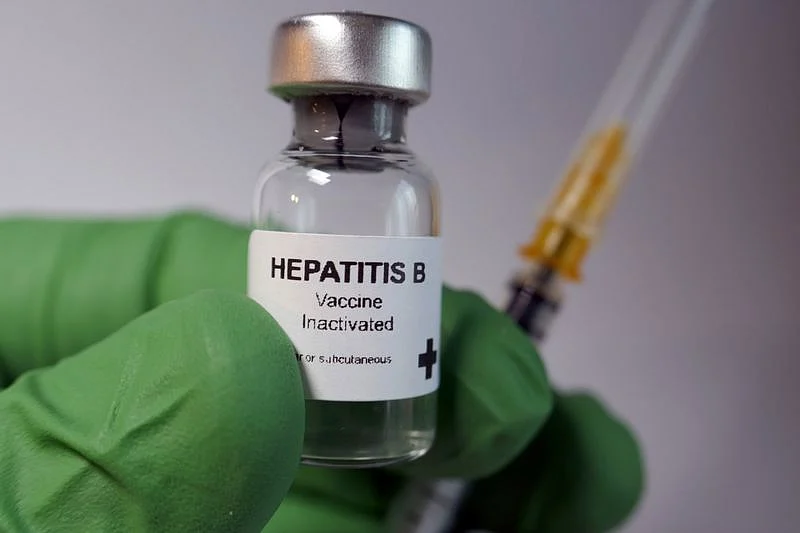
"The hepatitis B vaccine is more than 95 percent effective against both acute and chronic infections, while long-term antiviral treatment can help manage chronic infection and prevent severe liver disease," shared the organisation.
"At the same time, short-course therapy for hepatitis C, lasting eight to 12 weeks, can cure more than 95 percent of cases."
Hepatitis has remained a major global health threat, but it does not have to be. WHO has pointed out that vaccines and cures already exist. The challenge now is making sure everyone who needs them can actually access these treatments and services in time.
Network Links
GN StoreDownload our app
© Al Nisr Publishing LLC 2026. All rights reserved.