Estimated 3 billion animals affected by Australia bushfires: study
Mammals, reptiles, birds hit in 'one of the worst wildlife disasters in modern history'
Also In This Package
Photos: Sumatran tiger cub born in Polish zoo
Hagia Sophia opens as a mosque for Muslim prayers
Photos: Hindu devotees mark Naga Panchami festival
Diners maintain social distancing with teddy bears
German army trains dogs to detect COVID-19 infection
Well-preserved mammoth skeleton found in Siberian lake
Sydney: Nearly three billion animals were killed or displaced by Australia’s unprecedented 2019-20 wildfires in “one of the worst wildlife disasters in modern history”, according to a report released Tuesday.
The study by scientists from several Australian universities said the wildlife hit included 143 million mammals, 2.46 billion reptiles, 180 million birds and 51 million frogs.
Also Read
In pictures: Australia fires the size of ManhattanAustralia's charred landscape — in picturesSmoke blankets Sydney as wildfires spread across Australia Bushfire-hit areas in Australia showing signs of recoverySydney choked by hazardous haze from Australia bush firesWhile the report did not say how many animals died because of the fires, the prospects for those that escaped the flames “were probably not great” due to a lack of food, shelter and protection from predators, said Chris Dickman, one of its authors.
The fires ravaged more than 115,000 square kilometres of drought-stricken bushland and forest across Australia in late 2019 and early 2020, killing more than 30 people and destroying thousands of homes.
It was the broadest and most prolonged bushfire season in modern Australian history, with scientists attributing the severity of the crisis to the impacts of climate change.
An earlier study in January estimated the fires had killed a billion animals in the hardest-hit eastern states of New South Wales and Victoria. But the survey released Tuesday was the first to cover fire zones across the continent, said lead scientist Lily van Eeden of the University of Sydney.
Final report next month
Results from the survey were still being processed, with a final report due to be released late next month, but the authors said the number of three billion animals affected was unlikely to change.
“The interim findings are shocking,” said Dermot O’Gorman, CEO of the Australian branch of the World Wide Fund for Nature, which commissioned the report.
“It’s hard to think of another event anywhere in the world in living memory that has killed or displaced that many animals,” he said.
“This ranks as one of the worst wildlife disasters in modern history.”
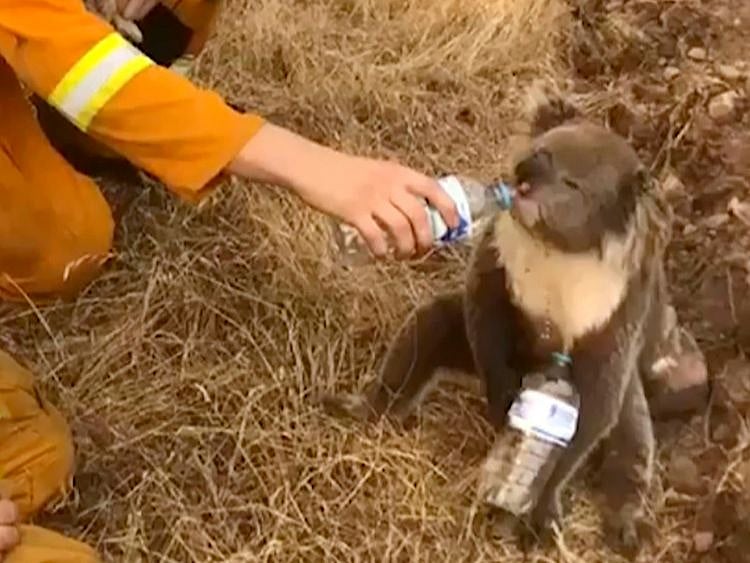
The plight of Australia’s popular koalas during the fires garnered international media attention, with thousands of the tree-dwelling marsupials believed to have perished.
But a government report early this year cited 100 other threatened native plant and animal species that had lost more than half their habitat to the blazes, raising the prospect of far greater losses.
Scientists say global warming is lengthening Australia’s summers and making them increasingly dangerous, with shorter winters making it more difficult to carry out bushfire prevention work.
The report released Tuesday was drawn up by scientists from the University of Sydney, University of New South Wales, University of Newcastle, Charles Sturt University and conservation group BirdLife Australia.
Sign up for the Daily Briefing
Get the latest news and updates straight to your inbox
Network Links
GN StoreDownload our app
© Al Nisr Publishing LLC 2026. All rights reserved.