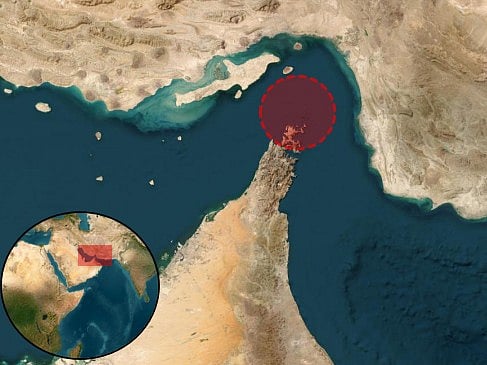
Dubai: Diplomatic efforts over the Strait of Hormuz, fresh attacks in the region and disruptions to energy supplies are among the latest developments as the Iran war continues. For UAE residents, the key areas to watch remain flights, shipping, fuel markets and any changes to regional security guidance.
Get updated faster and for FREE: Download the Gulf News app now - simply click here.
Iran is set to meet Gulf states in Oman on Monday to discuss the Strait of Hormuz, with Tehran saying the talks will focus on strengthening regional security cooperation.
The meeting in the Omani port city of Salalah is expected to be the first step towards a regional framework for security cooperation, according to Iran's official IRNA news agency.
Iranian Foreign Ministry spokesman Esmaeil Baqaei said the meeting could help establish greater stability and security in the region, in comments carried by the ISNA news agency.
The talks come as Iran and the United States remain locked in a conflict over the strategic waterway, which previously carried about one-fifth of the world's oil supplies.
Iranian President Masoud Pezeshkian said Tehran had reached an understanding with Oman over the Strait of Hormuz.
Iran's Tasnim news agency, citing an Iranian source, reported that the two countries had agreed on details for new routes into and out of the strait. The source said the understanding did not amount to an immediate reopening but could lay the groundwork for doing so.
The source also said the southern route would remain closed, despite US calls for it to be used. The two positions appeared to differ from Pezeshkian's comments.
Iran has also been seeking to formalise its control over the waterway, including potentially charging fees for passage. Oman's territorial waters also cover part of the strait.
A meeting, which was held between Abu Dhabi Crown Prince Sheikh Khaled bin Mohamed bin Zayed Al Nahyan and Iranian President Masoud Pezeshkian, reflects the UAE's approach of combining deterrence with diplomacy to promote regional security, Dr Anwar Mohammed Gargash, Diplomatic Adviser to the UAE President, said in a post on X platform..
Sheikh Khaled met Pezeshkian on the sidelines of the 18th BRICS Leaders Summit in New Delhi as part of a series of meetings with leaders attending the gathering.
Read more here.
US President Donald Trump said he had no objection to Gulf countries meeting Iran over the Strait of Hormuz.
“I don't care. That's up to them,” Trump told reporters during a visit to Ireland when asked about the planned talks.
The comments come as the US continues its conflict with Iran and the strait remains a major focus of the regional crisis.
An Iranian commercial vessel was struck near Qeshm Island early Sunday, with Iranian state media reporting one person killed and three wounded.
The United Kingdom Maritime Trade Operations monitor separately reported that a vessel had been hit by a projectile while transiting the Strait of Hormuz, although it was not immediately clear whether the reports referred to the same incident.
There was no immediate statement from the US military on the reported strike. The US military said on Saturday that its forces had redirected 100 commercial vessels over the previous 60 days.
Nearly 86,000 people have been displaced by fighting in Yemen, the United Nations said.
The International Organization for Migration put the number of displaced people at 85,818, up from 76,000 a day earlier.
More than 82,000 people have been forced from their homes since the start of September, when Iran-backed Houthi rebels launched a major offensive against Saudi-backed Yemeni government forces.
The fighting has spread across western Yemen and the Taiz areas, with the Houthis also tightening their hold over parts of the Red Sea coast and strategic islands near the Bab Al-Mandeb Strait.
A Saudi pipeline outage could put about 4 per cent of global oil supplies at risk if pumping is not restored within days, according to oil traders cited by Reuters.
Saudi Arabia shut its East-West oil pipeline on Friday following a drone attack launched from Iraqi territory. The timeline for repairs and the resumption of pumping remains unclear.
The disruption comes as global energy markets are already under pressure from the conflict involving Iran and the continued closure of the Strait of Hormuz.
UAE airlines continue to operate, although some services have been delayed or cancelled.
Not all disruptions are necessarily linked to the regional conflict. Airlines may also face operational or technical issues, so passengers should check directly with their airline before travelling.
For UAE residents, the main practical takeaway is to monitor flight updates, allow extra time at airports and follow official UAE guidance as the regional situation develops.
For now, the wider developments are being closely watched because further disruption around the Strait of Hormuz or other regional transport routes could affect aviation, shipping and energy markets across the Gulf.
Follow our live blog here for the latest developments in the US-Iran conflict.

Sign up for the Daily Briefing
Get the latest news and updates straight to your inbox
Network Links
GN StoreDownload our app
© Al Nisr Publishing LLC 2026. All rights reserved.