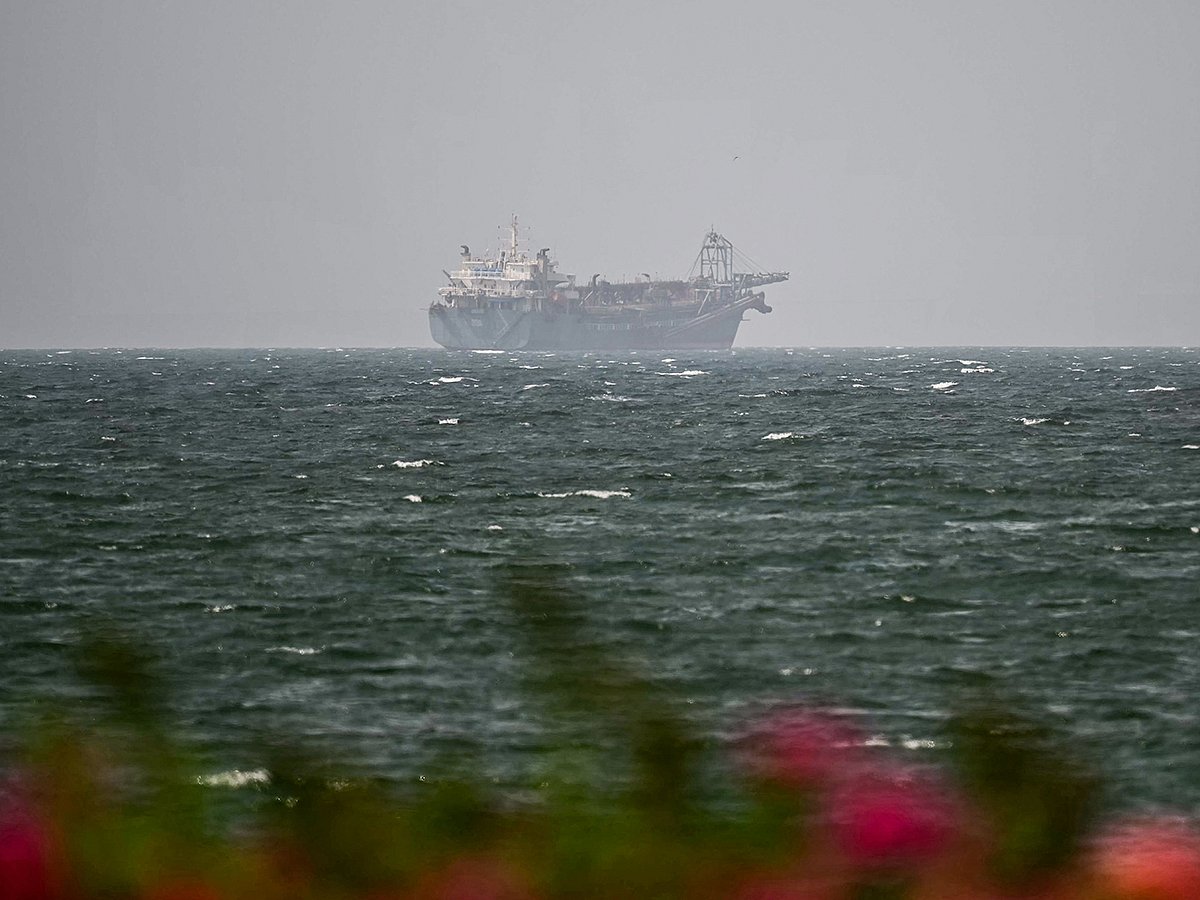
The US-Iran standoff remains tense, with conflicting signals over diplomacy, continued military pressure and fresh concerns over regional security. While US President Donald Trump says talks with Iran are set to resume, Tehran insists there are currently no direct negotiations with Washington. The developments continue to be closely watched across the Gulf, particularly because of their potential impact on aviation, energy supplies, shipping through the Strait of Hormuz and regional stability.
Diplomatic efforts send mixed signals
Donald Trump said talks with Iran would resume on Monday after he called off planned military strikes, urging both sides to move quickly towards a deal.
Iranian President Masoud Pezeshkian, meanwhile, reaffirmed Tehran's commitment to the memorandum of understanding signed with Washington in June, describing it as an important foundation for Iran's future foreign relations.
However, Iran's Foreign Ministry dismissed suggestions that formal negotiations with the US are currently taking place. Foreign Ministry spokesperson Esmail Baghaei said Tehran's immediate focus is on discussions with Oman over the management of the Strait of Hormuz.
Iran and Oman discuss Strait of Hormuz
Iran said talks with Oman over the past week have made "some progress", with discussions centred on creating a temporary safe shipping corridor through the strategic waterway.
Baghaei said Iran is also consulting several regional and international partners. However, he stressed that any agreement with Oman alone would not be enough to fully reopen the Strait of Hormuz. According to Tehran, US military action against Iran must end before normal shipping can resume through the vital passage.
US maintains military pressure
Despite Trump's comments about restarting diplomacy, Washington continues to keep military pressure on Iran.
US Defense Secretary Pete Hegseth backed Trump's warning that American forces remain prepared for military action if required, saying the Pentagon is "locked and loaded" and ready for operations on a scale "not seen since World War II".
US naval blockade continues
The US military said it has redirected 38 commercial vessels as part of its renewed blockade of Iranian ports.
The latest developments include:
Thirty-eight commercial ships have been diverted from Iranian ports.
The blockade resumed on July 14 under President Trump's orders.
USS Abraham Lincoln is operating in the Arabian Sea in support of the mission.
US Marine Corps F-35C fighter jets are also taking part in the operation.
The continued military presence has added to concerns over maritime security in the Gulf.
Why it matters for the region
The latest developments could have wider implications for the region.
Key areas being closely monitored include:
Security across the Gulf and surrounding waters.
Shipping through the Strait of Hormuz, a critical route for global oil exports.
Oil prices and wider energy markets.
Regional trade and supply chains.
Commercial aviation and airspace management.
Although operations across the UAE remain stable, authorities continue to monitor the situation closely.
UAE travel update
Passengers travelling to or from the UAE are advised to stay updated, as airlines continue to adjust selected regional services.
While most flights are operating as scheduled, Emirates, Etihad Airways and Air Arabia have modified some services to Bahrain, Kuwait and Saudi Arabia. Several international carriers have also suspended or adjusted selected regional routes.
Travellers should:
Check flight status before leaving for the airport.
Monitor airline websites and mobile apps for updates.
Ensure contact details are up to date.
Arrive early to allow extra time for check-in and security.
Follow official travel advisories before international journeys.
Airlines and aviation authorities say they are closely monitoring regional developments and will issue further updates if additional operational changes become necessary.

Sign up for the Daily Briefing
Get the latest news and updates straight to your inbox
Network Links
GN StoreDownload our app
© Al Nisr Publishing LLC 2026. All rights reserved.