US troop deaths push Iran war into dangerous new phase
Conflict spreads across Gulf as diplomacy fades and retaliation intensifies
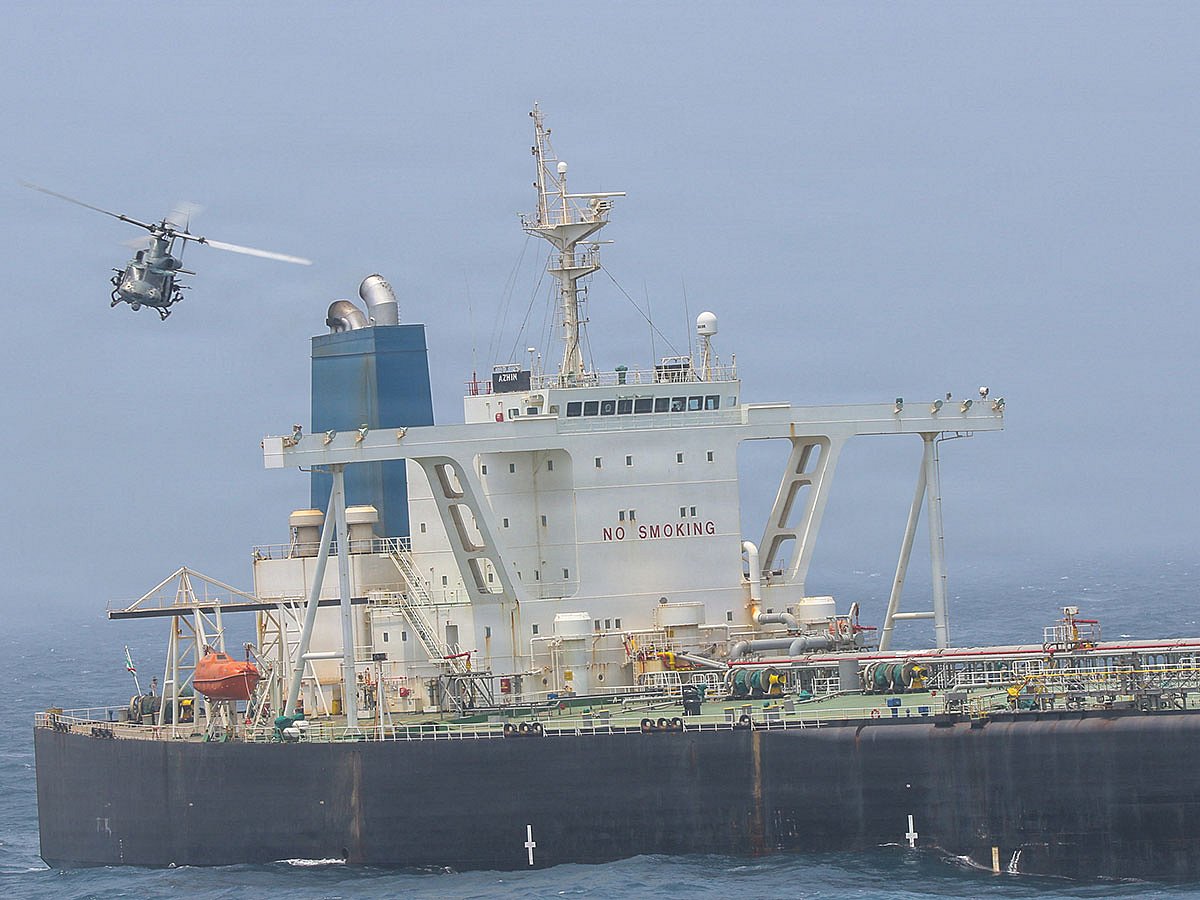
The conflict between the United States and Iran has entered a more dangerous phase, with the deaths of 16 American service members reshaping Washington’s military response and pushing the fighting further across the Middle East.
For weeks, the conflict had largely centred on control of the Strait of Hormuz, the strategic waterway through which around a fifth of the world’s oil passes. But the latest developments suggest the war is no longer confined to maritime attacks or airstrikes inside Iran. US military personnel have increasingly become direct targets, regional bases are coming under attack and hopes of reviving diplomacy are fading rapidly.
The latest escalation came after two American troops were killed while defending against Iranian ballistic missile and drone attacks in Jordan, prompting the US military to launch fresh strikes against Iran’s Islamic Revolutionary Guard Corps (IRGC). One additional service member remains missing.
US Central Command said the strikes were intended to “swiftly punish” the IRGC units responsible for the attack.
American casualties change the equation
The deaths mark an important turning point in the conflict.
While Washington has carried out weeks of strikes against Iranian military targets, the mounting toll among US personnel raises the political and military stakes for the Trump administration. Since fighting began on February 28, 16 American service members have been killed and more than 430 wounded.
The casualties reflect the nature of modern warfare in the region. Although the conflict has largely been fought through missiles, drones and air power rather than large ground offensives, American troops stationed across the Middle East remain exposed to retaliatory attacks.
Earlier fatalities included soldiers killed in drone strikes, a deadly aircraft crash supporting military operations and a Navy helicopter accident during the campaign. The latest deaths in Jordan are the first directly linked to defending against an Iranian missile and drone barrage, making retaliation almost inevitable.
Washington’s response came swiftly. US fighter aircraft and cruise missiles struck Iranian military facilities, including coastal surveillance systems, missile and drone storage sites and other Revolutionary Guard assets that officials said supported operations around the Strait of Hormuz.
The battlefield is expanding
The conflict is increasingly spilling beyond Iran itself.
In response to the latest US strikes, Iran launched attacks against American military facilities in Kuwait, targeting installations including Camp Udairi and Ali Al Salem Air Base, according to Iranian state media. Kuwaiti authorities later said they were responding to additional drone and missile attacks.
Iran has also claimed responsibility for attacks against American facilities in Jordan while issuing further warnings that any continued US strikes would provoke what senior commanders described as a “decisive and devastating response.”
The widening geographical spread of the fighting illustrates how quickly a conflict initially centred on maritime security has evolved into a broader regional confrontation involving multiple countries hosting US forces.
Hormuz remains the strategic prize
Despite the expanding battlefield, the Strait of Hormuz continues to lie at the heart of the conflict.
Iran’s attacks on commercial shipping triggered the latest round of hostilities, while Tehran’s closure of the waterway and Washington’s subsequent naval blockade have transformed the narrow shipping lane into the central point of leverage for both sides.
American strikes have increasingly focused on degrading Iran’s ability to project military power around the strait, targeting coastal installations, surveillance systems and maritime assets.
Neither side appears willing to ease pressure.
Iran has repeatedly warned that continued attacks on its territory will be met with further retaliation, while President Donald Trump has threatened additional strikes on Iranian infrastructure to force Tehran to loosen its grip on the strategically vital waterway.
Civilian costs continue to rise
As military operations intensify, civilians are increasingly bearing the consequences.
Iran says at least 50 people have been killed and more than 500 wounded since the latest phase of fighting began, with officials accusing the United States of striking infrastructure including power facilities, bridges and desalination plants.
The disruption has affected essential services in parts of southern Iran, where authorities say several communities have been left without drinking water after power infrastructure was damaged.
The conflict has also affected civilians elsewhere in the region, with attacks increasingly targeting infrastructure that supports daily life alongside military objectives.
Diplomacy slips further away
The latest exchange of strikes comes as efforts to restore a political settlement appear to have collapsed.
An interim agreement intended to end the fighting has unravelled, with Tehran saying it is suspending its commitments while warning that any further US military action will be met with stronger retaliation.
Iran’s Supreme Leader Mojtaba Khamenei vowed to teach the United States an “unforgettable lesson”, while senior commanders warned they were prepared to resume “full-scale offensive operations” if American strikes continued.
With inputs from AFP and AP
Sign up for the Daily Briefing
Get the latest news and updates straight to your inbox
Network Links
GN StoreDownload our app
© Al Nisr Publishing LLC 2026. All rights reserved.