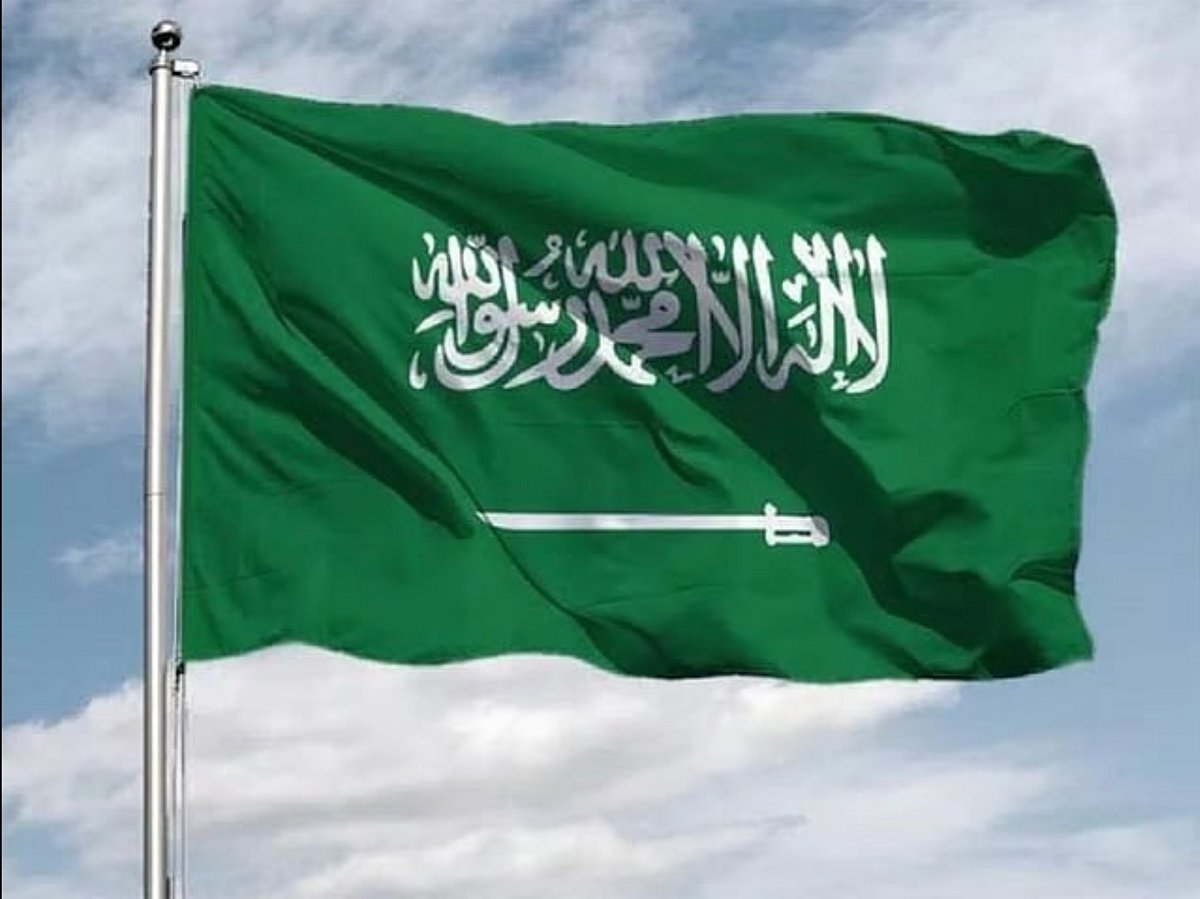
Saudi Arabian forces, in coordination with the United States Central Command, carried out targeted strikes Wednesday against sites linked to Iranian-backed militias in Iraq, the Saudi Ministry of Defense announced, in retaliation for recent drone attacks on the kingdom’s petroleum infrastructure.
The operation marks a significant escalation in tensions between Saudi Arabia and Iran-aligned groups operating from Iraqi territory.
Get updated faster and for FREE: Download the Gulf News app now - simply click here
Both Riyadh and Washington emphasised that the action was limited and aimed at deterrence rather than broader conflict.
In a statement, Maj. Gen. Turki al-Maliki, the official spokesman for the Saudi Ministry of Defence, said the strikes followed the interception and destruction of multiple drones that had targeted oil facilities in Saudi Arabia’s Eastern Province and the capital region of Riyadh.
Those attacks were launched from Iraq by “terrorist militias loyal to Iran,” according to the ministry.
The Saudi statement referenced two prior announcements on Monday and Tuesday confirming the interceptions.
It invoked the kingdom’s right to self-defense under Article 51 of the United Nations Charter and cited a Quranic verse emphasising proportional response: “Whoever has assaulted you, then assault him in the same way that he has assaulted you.”
“The Kingdom confirms that it does not seek escalation, but it will respond to any aggression it is subjected to,” the statement concluded.
The strikes were conducted on Wednesday (corresponding to 15 Safar 1448 in the Hijri calendar), and involved precision operations against militia targets in Iraq.
US Central Command was involved in coordination, reflecting ongoing security partnerships between the two allies.
The incidents come amid a pattern of regional friction. Saudi Arabia has faced repeated threats to its critical energy infrastructure, which forms the backbone of its economy and global oil supplies.
Iran-backed groups, including militias in Iraq and the Houthi movement in Yemen, have previously claimed or been accused of similar attacks.
Analysts noted that while Saudi Arabia has sought to de-escalate broader tensions with Iran in recent years through diplomatic efforts, including a 2023 China-brokered agreement to restore ties, persistent attacks from proxy forces continue to test that fragile balance.
No immediate casualties or detailed damage assessments from the Saudi strikes were released in the initial statement.
Iraqi officials had not publicly commented as of early Wednesday.
The development underscores the complex web of alliances and proxy conflicts across the Middle East, where US forces have also faced hundreds of attacks from Iran-aligned groups since earlier this year.
Both Saudi and American statements stressed the defensive nature of the response and a desire to avoid wider escalation.
Saudi Arabia’s oil facilities, including those operated by the state giant Aramco, have long been viewed as high-value targets by adversaries seeking to disrupt the kingdom’s stability and global energy markets.
Successful or near-miss attacks can send ripples through oil prices and heighten geopolitical risks. As of Wednesday, there were no reports of immediate follow-on attacks or market disruptions tied directly to the latest events.
Network Links
GN StoreDownload our app
© Al Nisr Publishing LLC 2026. All rights reserved.