Dubai: For many people across the Arab world, nothing in their living conditions has changed for the better in 2013 — in some areas, it has even worsened.
People can only hope for a better tomorrow in the new year. They hope for the guns to stop in Syria before the country enters its fourth year of turmoil. In Egypt, people hope for a return to normalcy after it witnessed a second revolution in July, which ousted the country’s first elected president and subsequently outlawed the Muslim Brotherhood.
In Tunisia, the country that sparked the Arab Spring, people hope it finds its way to stability. Meanwhile, the Libyan people pray for law and order. In Yemen, people hope that their country will no longer be used as an open field for the US to settle its scores with Al Qaida. In Iraq, people hope that they will no longer have to live under the constant threat of bomb blasts and bloodshed.
In other “calmer” countries, people hope for more employment opportunities, more freedom and bigger participation in the decision-making process. But despite negative developments in some Arab countries in 2013, rays of hope could be seen from others in the region.
A year of growth
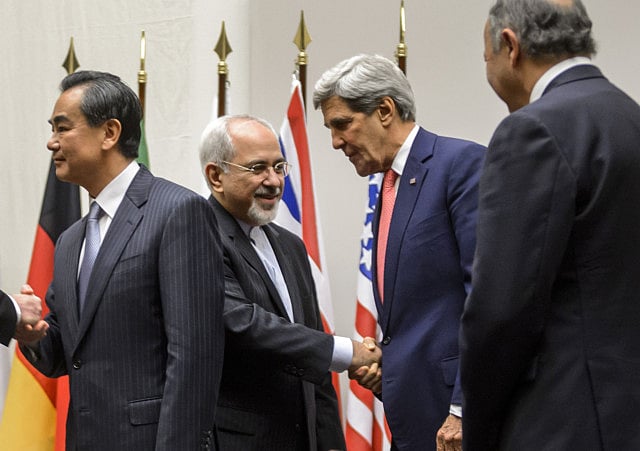
Iran reached an agreement with western powers over its nuclear programme, paving the way to start a new page in relations with its neighbours.
The election of the “moderate” Iranian cleric Hassan Rouhani has further boosted hopes. In February, the first flight of Iraqi Airways landed in Kuwait since the 1990 invasion by Saddam Hussain, raising expectations that the countries could turn a new page in history and repair strained relations.
In Saudi Arabia, King Abdullah appointed 30 women to the previously all-male 150 seat Majlis Al Shura. Also, four women were given licences that allow them to practise law in courts. These moves have raised hopes that female participation in society will expand further.
Perhaps the most significant positive development in the past year took place in neighbouring Qatar, where former Emir Shaikh Hamad Bin Khalifa Al Thani handed over power to his 33-year-old son, Shaikh Tamim Bin Hamad Al Thani — an unprecedented move in Gulf monarchies. Succession, typically happens after the passing away of a leader.
Sign up for the Daily Briefing
Get the latest news and updates straight to your inbox
Network Links
GN StoreDownload our app
© Al Nisr Publishing LLC 2026. All rights reserved.