Is Iran’s hardline leadership pushing the region toward a wider war?
Analysts say Tehran is exploiting growing US-Israel divisions over the war’s endgame
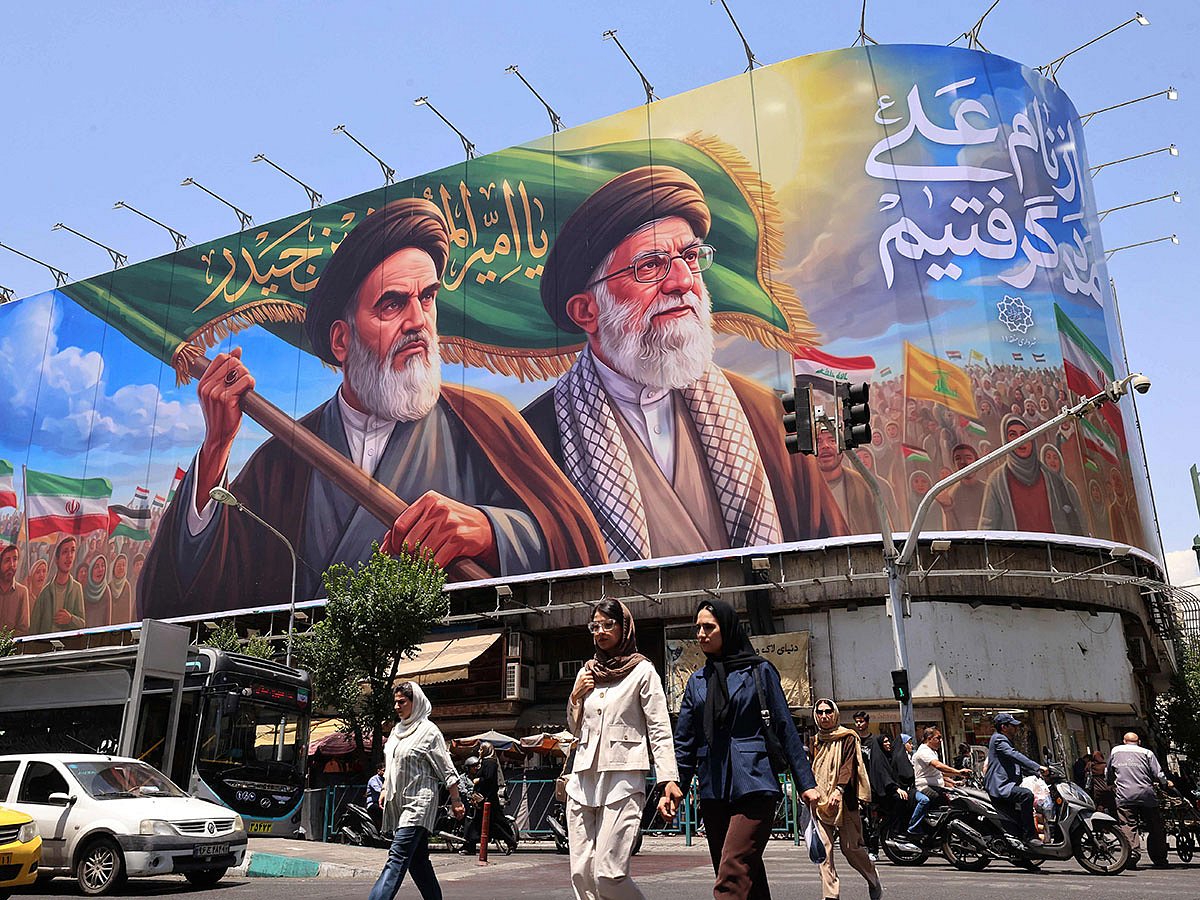
Dubai: Iran’s latest attacks on Jordan and Bahrain have intensified concerns that the country’s hardline leadership is steering the Middle East towards a broader regional conflict, expanding the battlefield beyond Israel and Lebanon and drawing more Arab states into the crisis.
The strikes came after the United States launched fresh attacks on Iranian air-defence and radar sites in response to the downing of a US Apache helicopter earlier this week. Jordan said it intercepted five Iranian missiles aimed at the Azraq area, while Bahrain reported destroying a number of incoming aerial threats. Kuwait also activated its air defences against what it described as hostile targets.
The developments have cast fresh doubt on US President Donald Trump’s repeated assertions that negotiations to end the conflict are in their final stages. Instead, the latest exchanges suggest the conflict is widening geographically, pulling more countries into a confrontation that began with US-Israeli strikes on Iran in February and later spread to Lebanon.
‘We have overturned the ceasefire equation’
For many analysts, the attacks are not isolated incidents but evidence of a deeper shift within Iran’s leadership.
Tehran itself has signalled that its approach is changing.
Following Iran’s strikes on Israel earlier this week, Mohammad Bagher Ghalibaf, Iran’s chief negotiator in the talks, declared that the country had effectively changed the rules governing the ceasefire.
“We have overturned the ceasefire equation that existed on paper while being repeatedly violated in practice on the ground,” Ghalibaf said Monday.
“Until there is a genuine willingness to build trust, Iran’s response will remain the same.”
The remarks suggest a broader change in Tehran’s strategic thinking. Rather than relying primarily on deterrence, proxy forces and carefully calibrated retaliation, Iran’s current leadership appears increasingly willing to take greater risks to shape events across the region.
CNN, in an analysis of Iran’s recent strikes on Israel, said Tehran appeared to be signalling that Israeli attacks on Hezbollah in Lebanon could now provoke direct retaliation from Iran itself, rather than being left solely to its regional allies, reflecting a more assertive posture than in previous years.
Testing limits
The shift stands in contrast to earlier episodes when Iran sought to avoid uncontrolled escalation despite intense pressure.
After the 2020 US assassination of top Iranian commander Qasem Soleimani, Tehran responded with missile strikes on a US base in Iraq but calibrated its actions to avoid triggering a wider war. Even after US forces joined Israeli attacks on Iran in 2025, Tehran’s retaliation was widely viewed as measured and proportional.
Today’s leadership appears increasingly prepared to test those limits.
Aaron David Miller, a former US Middle East peace negotiator, said Tehran’s calculations have changed.
“The Iranians have put both the Israelis and the US in a box now,” Miller told CNN.
“They’re risk ready. They think they’re winning. They don’t think the ceasefire is serving their interests.”
Beyond Israel and Lebanon
The assessment is particularly significant because it comes as Iran expands its military response beyond Israel and Lebanon, targeting US-linked facilities in Jordan and Bahrain while warning Gulf states against allowing their territory to be used for attacks on the Islamic republic.
Iran’s Revolutionary Guards said Gulf countries had a responsibility to prevent the United States and Israel from using their territory for military operations against Iran. The warning effectively signalled that countries hosting US military assets could increasingly find themselves caught in the crossfire.
The latest attacks also come against the backdrop of renewed violence in Lebanon, where Israeli strikes on the southern city of Tyre this week killed civilians and prompted a rare evacuation order covering large parts of the historic coastal city. The fighting has fuelled Iranian claims that the ceasefire is being repeatedly violated despite ongoing diplomatic efforts.
Exploiting growing differences
Analysts say Tehran may also be seeking to exploit growing differences between Washington and Israel over how the conflict should end.
Trump has repeatedly argued that a diplomatic agreement with Iran is within reach and has publicly pressed Israeli Prime Minister Benjamin Netanyahu to avoid actions that could derail negotiations. Following Iran’s strike on Israel earlier this week, US officials reportedly moved quickly to prevent a broader escalation.
Iran may calculate that increasing military pressure strengthens its leverage at the negotiating table while exposing tensions between Washington’s diplomatic objectives and Israel’s security priorities.
Yet the strategy carries significant risks.
The conflict has already disrupted shipping routes, rattled energy markets and raised concerns about stability across a region stretching from the Gulf to the eastern Mediterranean. Every new exchange increases the possibility of miscalculation, drawing additional countries into a confrontation that many had hoped was moving towards a negotiated settlement.
For now, the key question confronting regional leaders is no longer whether Iran will respond to military pressure.
It is whether Tehran’s increasingly assertive hardline leadership believes a wider confrontation offers a better path to securing its interests than the fragile diplomacy that has struggled to gain traction since the April ceasefire.

Sign up for the Daily Briefing
Get the latest news and updates straight to your inbox
Network Links
GN StoreDownload our app
© Al Nisr Publishing LLC 2026. All rights reserved.