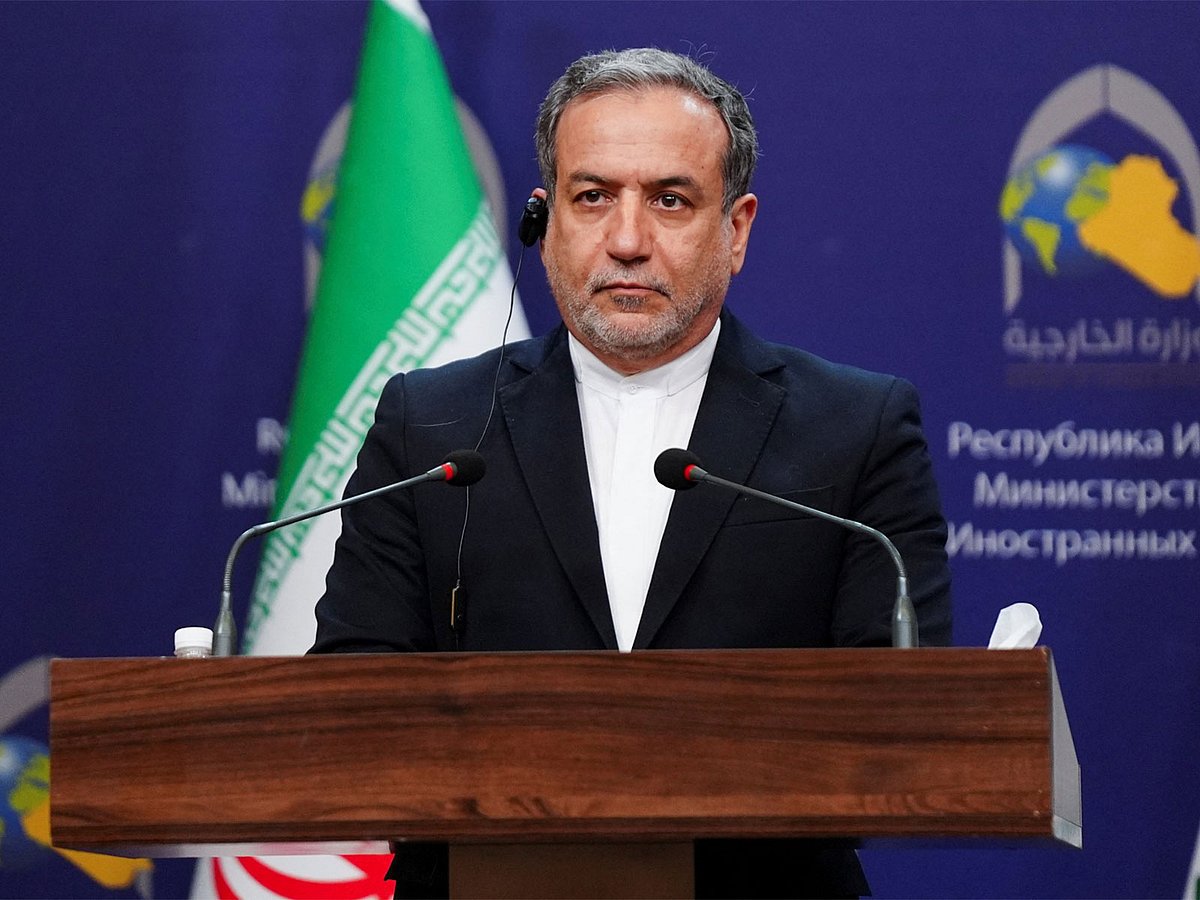
Iran's Foreign Minister Seyed Abbas Araghchi declared Tuesday that his country's armed forces would respond to recent U.S. attacks, asserting that Washington had "opted to test our determination" despite battlefield setbacks in the ongoing regional conflict.
In a post on X, Araghchi wrote: "Despite its defeats on the battlefield, the U.S. opted to test our determination. Our Powerful Armed Forces will leave no attack or threat unanswered. Leave our region if you want to be safe. History of the Persian Gulf has many chapters on dire fates of intruding outsiders."
Get updated faster and for FREE: Download the Gulf News app now - simply click here.
The message was accompanied by a map.
Tensions run high
Araghchi's statement comes amid heightened tensions in the 2026 Iran war, which erupted earlier this year with joint US-Israeli strikes on Iranian military, nuclear and leadership targets.
A fragile ceasefire has been repeatedly strained by tit-for-tat actions, including US strikes on Iranian sites in response to alleged threats to maritime traffic in the Strait of Hormuz and other incidents.
Escalation
The conflict has its roots in long-standing disputes over Iran's nuclear programme, support for regional proxies and freedom of navigation in the Gulf.
Major US-Israeli operations began on February 28, 2026, targeting sites across Iran.
Iran has responded with missile and drone attacks, while both sides have engaged in strikes affecting bases in the Gulf region.
Recent triggers include US actions against Iranian coastal radar and military sites, drone interceptions in the Strait of Hormuz, and accusations involving the downing of a US Army AH-64 Apache helicopter.
The US military has described some US operations as defensive measures to protect forces and shipping, while Iran portrays them as aggression.
Iran's narrative
Araghchi's remarks echo Tehran's longstanding position that foreign military presence in the Gulf threatens regional stability.
Iran has repeatedly warned it will defend its interests and has at times restricted or threatened shipping through the strategic Strait of Hormuz, a chokepoint for much of the world's oil.
Updates
As of Tuesday evening and into Wednesday morning (June 10, 2026), no immediate Iranian counterstrike had been reported following the latest US actions.
Markets have shown volatility on fears of renewed disruption to energy supplies.
Diplomatic channels remain strained, with indirect talks over a potential longer-term agreement — including nuclear limits and reopening the strait — facing significant hurdles.
Trump administration officials have emphasised self-defence and victory claims, while Iranian state media and officials project resolve.
The situation remains fluid, with risks of broader escalation involving Gulf states and other actors.
Supporters of Iran hailed the post as defiance against foreign intervention, while critics mocked the regime's claims amid reported losses and internal challenges.
Sign up for the Daily Briefing
Get the latest news and updates straight to your inbox
Network Links
GN StoreDownload our app
© Al Nisr Publishing LLC 2026. All rights reserved.