Iran FM Abbas Araghchi faces impeachment over US talks. So who speaks for Tehran?
Move against Araghchi deepens questions over who has authority to negotiate with US
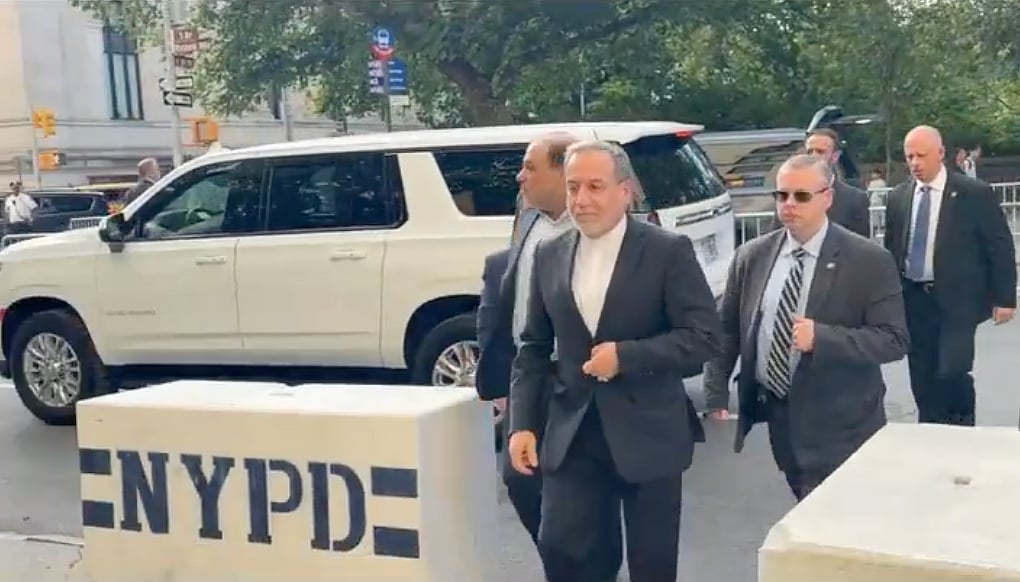
Dubai: Iran’s tentative diplomatic opening with the United States has triggered a political backlash at home, with lawmakers registering an impeachment motion against Foreign Minister Abbas Araghchi over his contacts with US officials in New York.
The move has sharpened a question hanging over efforts to end the war: Who actually has the authority to negotiate for Iran?
Ali Khezrian, a member of parliament’s National Security and Foreign Policy Commission, said on Thursday that lawmakers had registered the impeachment request and accused Araghchi of holding talks with American officials without authorisation.
“Members of parliament have registered the impeachment of Araghchi and are pursuing it,” Khezrian said, adding that the foreign minister would be required to explain himself before parliament after returning from New York.
Khezrian said Araghchi must explain “on what basis this conversation with the American side took place.”
Iranian reports separately said Tehran MP Amirhossein Sabeti had formally registered the impeachment request in parliament’s system. The motion calls for it to be referred to the National Security and Foreign Policy Commission for examination.
The challenge comes just days after Iran and the United States reopened a diplomatic channel on the sidelines of the UN General Assembly.
Araghchi communicated with US envoy Steve Witkoff and Jared Kushner during talks mediated by Qatar. US officials portrayed the exchanges positively, while Iranian officials have stressed that Tehran used the contacts to communicate its conditions for ending the conflict.
'Full authority' to revive diplomacy
The backlash exposes conflicting accounts of how much authority Iran’s negotiators actually possess.
A senior Iranian official told Reuters before the talks that the delegation in New York had “full authority” to revive diplomacy with Washington.
But critics inside Iran say Araghchi went beyond the mandate given to him.
The dispute began emerging publicly on Wednesday, when IRGC-affiliated media and lawmakers questioned whether direct contact with Witkoff had been authorised. Hardline critics argued that Iran’s approved position was to communicate its conditions through mediators rather than enter direct negotiations with American officials.
That distinction could prove critical.
Iranian President Masoud Pezeshkian has repeatedly said Tehran remains willing to negotiate while rejecting diplomacy under military pressure. At the same time, senior figures close to the country’s leadership have indicated that the government has room to pursue negotiations.
Yet the impeachment push suggests there is still disagreement within Iran’s political establishment over the format of those contacts and how far its diplomats can go.
The controversy comes as Washington and Tehran remain divided over the sequence of steps required to end the war.
Iran wants the US naval blockade lifted and has linked progress towards reopening the Strait of Hormuz to an easing of American military and economic pressure. Washington is demanding unrestricted navigation and other assurances before significantly reducing pressure.
The New York contacts have therefore reopened diplomacy — but they have also exposed a second negotiation taking place inside Tehran itself: over who controls the talks and what Iran’s negotiators are authorised to concede.

Sign up for the Daily Briefing
Get the latest news and updates straight to your inbox
Network Links
GN StoreDownload our app
© Al Nisr Publishing LLC 2026. All rights reserved.