Iran deal hits turbulence: What happens next?
Swiss talks postponed, fighting resumes in Lebanon and both Washington and Tehran dig in
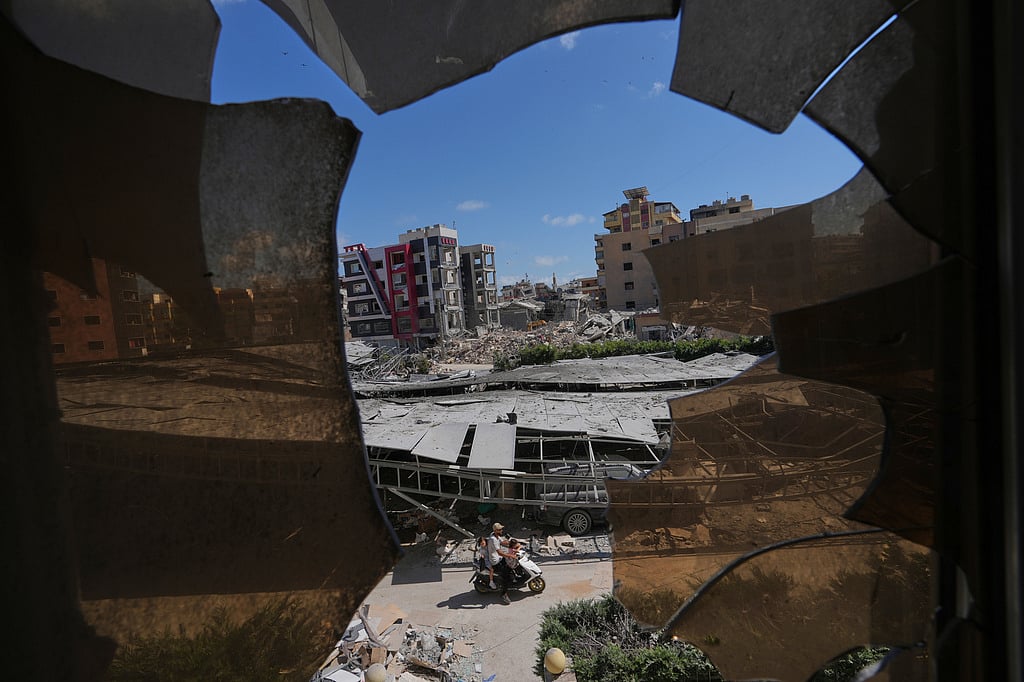
Just days after US President Donald Trump and Iranian President Masoud Pezeshkian signed a landmark agreement aimed at ending months of war and reopening the Strait of Hormuz, the deal is facing its first major test.
Negotiations that were supposed to begin in Switzerland have been postponed. Fighting has intensified between Israel and Hezbollah in Lebanon despite provisions aimed at ending hostilities across the region. Iranian officials are warning of a “decisive response” to any breach of the agreement, while critics in both Tehran and Washington are questioning key elements of the accord.
Get updated faster and for FREE: Download the Gulf News app now - simply click here.
The agreement remains in place. Oil tankers are moving again through the Strait of Hormuz, sanctions relief is still on the table and both sides continue to publicly support negotiations. But the events of the past 48 hours have underlined how fragile the process remains.
What is the current problem?
The most immediate setback is the postponement of talks that were due to begin in Switzerland.
Senior US and Iranian officials, including US Vice-President JD Vance and Iranian negotiators, had been expected to start technical discussions on implementing the agreement and negotiating a broader settlement. Those talks were abruptly delayed, with Switzerland saying it remained ready to host them but giving no new date.
The White House insisted negotiations would begin “as soon as possible”, but the delay immediately raised questions about whether both sides are fully aligned on the next steps.
Why were the Swiss talks postponed?
No official explanation has been given.
However, the postponement came amid reports that Iran was unhappy about Israel’s continued military operations in Lebanon. According to AP, Iranian-linked media reported that Tehran was delaying its participation because of Israel’s ongoing campaign against Hezbollah.
The timing is significant because the agreement was designed not only to end direct hostilities involving Iran but also to reduce tensions across multiple fronts in the region.
How serious is the fighting in Lebanon?
Potentially very serious.
The agreement envisioned an end to military operations “on all fronts”, yet Israeli airstrikes in Lebanon killed at least 18 people on Friday while four Israeli soldiers were also killed in southern Lebanon.
Israel and Hezbollah are not direct signatories to the accord, creating a major grey area. Iran insists that Israel should withdraw from occupied areas of southern Lebanon, while Israeli Prime Minister Benjamin Netanyahu has said Israeli forces will remain as long as security conditions require.
This means Lebanon could become the first major flashpoint capable of derailing broader diplomatic progress.
Is Iran still committed to the agreement?
Officially, yes.
Iran’s Supreme Leader Ayatollah Mojtaba Khamenei said he approved the agreement despite having a “different view” on it. He also endorsed future direct negotiations with Washington while insisting that talks would not mean accepting the American position.
At the same time, Tehran has adopted a tougher tone.
Iran’s chief negotiator Mohammad Bagher Ghalibaf warned that the country would deliver a “decisive response” if the agreement was violated or if Washington made what he called “excessive demands”. He also stressed that negotiations would remain bound by Iran’s “red lines”.
The mixed messaging suggests Iran wants diplomacy to continue but is also seeking to demonstrate strength to domestic audiences.
What are Iran’s “red lines”?
Tehran has not publicly detailed all of them, but several issues are emerging.
Iran continues to reject any suggestion that it is pursuing nuclear weapons. It is also insisting that future negotiations respect what officials describe as Iran’s dignity, sovereignty and national interests.
Conservative voices inside Iran are already expressing concern that Tehran may be giving up leverage too early. Some have questioned reports that international inspectors could gain expanded access to nuclear facilities, while others argue that the reopening of the Strait of Hormuz should be used to extract greater concessions from Washington.
What has the deal achieved so far?
Despite the tensions, there have been some immediate results.
The United States has lifted its naval blockade of Iranian ports and commercial shipping has begun returning to the Strait of Hormuz. Maritime data showed 25 commercial vessels crossed the strait on Thursday, the highest number since mid-April and more than five times the average daily level seen earlier this month.
The reopening of the waterway is critical because roughly one-fifth of the world’s oil and liquefied natural gas exports normally pass through the strait.
However, shipping activity remains far below pre-war levels and hundreds of vessels are still waiting in the Gulf.
What are the biggest sticking points ahead?
Three issues stand out.
First, Iran’s nuclear programme.
The agreement opens a 60-day negotiating window, but many details remain unresolved, including the future of Iran’s enriched uranium stockpile and the scope of international oversight.
Second, sanctions relief.
Washington has committed to lifting oil sanctions immediately and facilitating a $300 billion reconstruction fund if a final agreement is reached. Critics in the US argue that Tehran is being offered too much before making sufficient concessions.
Third, regional security.
The continued violence in Lebanon highlights the challenge of enforcing a deal that involves actors who are not direct signatories.
What are the political risks for Trump?
The deal has divided Trump’s own supporters.
Some Republican lawmakers argue that the agreement risks repeating mistakes they associate with the 2015 nuclear accord negotiated under former President Barack Obama. Critics are particularly concerned about the proposed reconstruction fund and sanctions relief.
The administration is also facing pressure over the financial cost of the conflict. According to AFP, the Pentagon may seek around $80 billion from Congress to cover war-related expenses and other defence needs.
Trump has defended the agreement by arguing that prolonging the war would have caused further economic damage and kept the Strait of Hormuz closed.
What happens next?
The deal is not collapsing, but it is entering a difficult phase.
Mediators from countries including Pakistan, Saudi Arabia and Turkey are expected to continue efforts to keep both sides engaged. Swiss officials say preparations for negotiations are continuing despite the postponement.
The next major test will be whether technical talks can begin quickly and whether violence in Lebanon can be contained.
If negotiations resume, the focus will shift to the far more complex issues of nuclear restrictions, sanctions relief and long-term regional security arrangements.
If they do not, the agreement risks becoming another temporary ceasefire that buys time but fails to resolve the deeper disputes between Washington and Tehran.
- with inputs from AFP, AP

Sign up for the Daily Briefing
Get the latest news and updates straight to your inbox
Network Links
GN StoreDownload our app
© Al Nisr Publishing LLC 2026. All rights reserved.